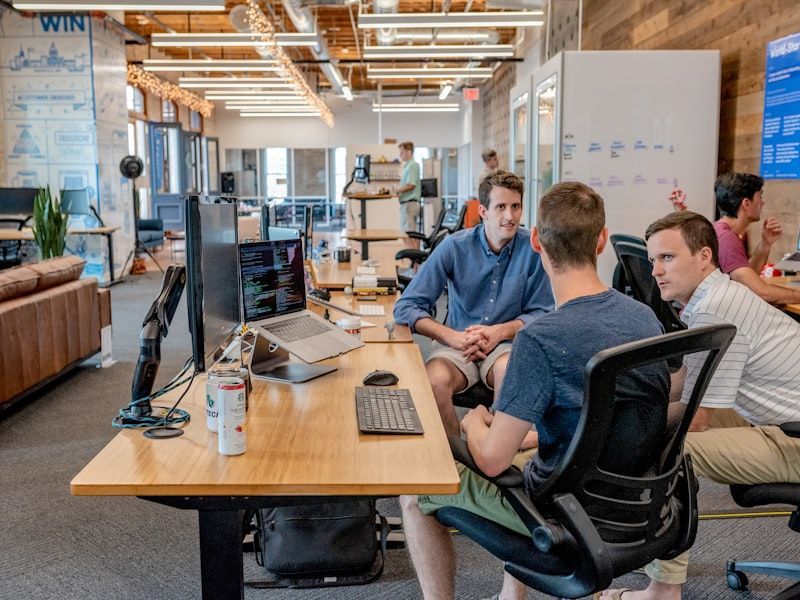
With shifting macroeconomic conditions, startup founders face a critical choice: build sustainably on customer revenue or raise capital for rapid scaling.
Executive Key Takeaways
- With shifting macroeconomic conditions, startup founders face a critical choice: build sustainably on customer revenue or raise capital for rapid scaling.
- Bootstrapping is no longer synonymous with slow growth or lifestyle businesses.
The startup landscape in 2026 looks vastly different from the hyper-funded era of the early 2020s. Higher interest rates and a focus on unit economics have forced founders to re-evaluate the traditional VC-backed scaling playbook. Today, the choice between bootstrapping (funding growth entirely through customer revenue) and venture capital is no longer binary—founders are blending both paths to build resilient enterprises.
The New Rules of Bootstrapping
Bootstrapping is no longer synonymous with slow growth or lifestyle businesses. With the abundance of high-level cloud abstractions, AI-assisted coding, and global remote talent, a team of five can achieve what used to require thirty people.
Benefits of bootstrapping today include:
- Total Autonomy: No board members pushing for unrealistic growth metrics.
- Customer Obsession: When customer subscriptions fund your payroll, your product roadmap aligns perfectly with their needs, not investor pitches.
- Financial Discipline: Bootstrapped startups develop a lean culture that makes them highly resilient during economic downturns.
The Evolving VC Landscape
Venture capital is far from dead, but the criteria for investment have matured. Investors are looking for capital efficiency and clear paths to profitability rather than raw user growth.
VC funding remains essential for:
1. Deep Tech & Hardware: Startups building rockets, quantum hardware, or new biotech solutions where initial R&D costs are massive.
2. Winner-Take-All Markets: Domains where network effects dominate, requiring rapid capital deployment to capture market share before competitors.
The Hybrid Approach: "Sustainably Venture-Backed"
Many modern founders are bootstrapping to Product-Market Fit (PMF) and initial revenue (e.g., $1M ARR) before raising external capital. This allows them to retain maximum equity, negotiate from a position of strength, and use venture dollars to scale an already working engine rather than finding the engine in the first place.