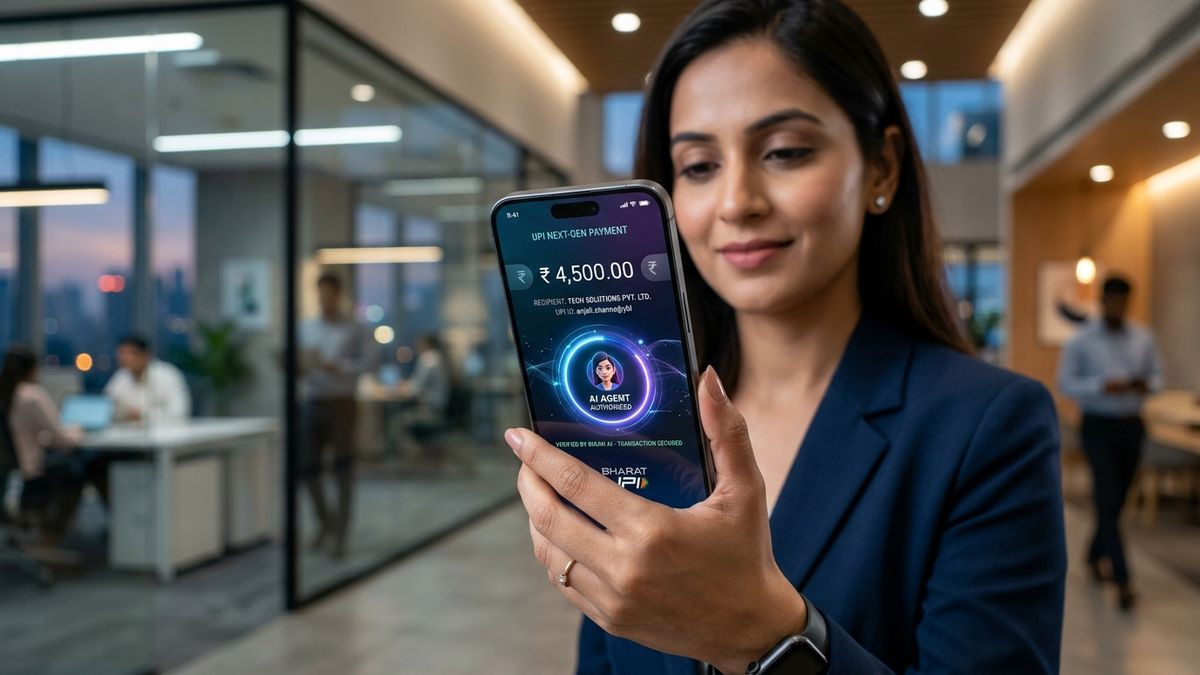
Apple Pay Launches in India with Initial Card Rollout Across Leading Banking Partners
By Vikram Malhotra | Published October 1, 2026 | 8 min read
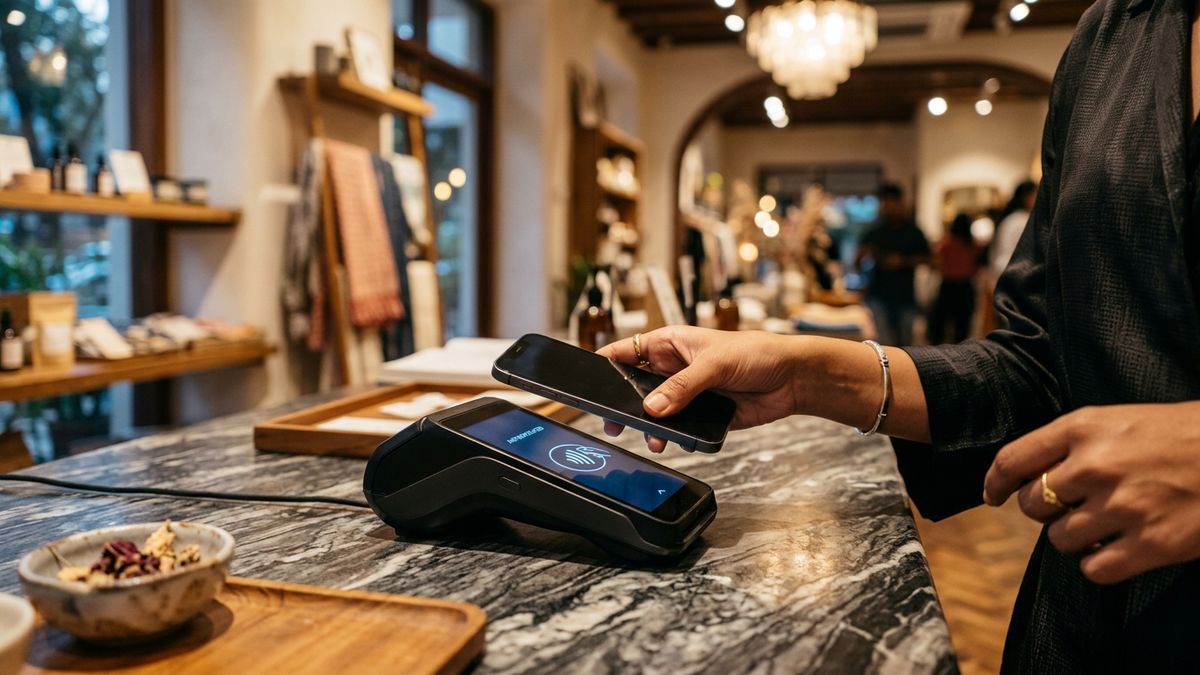
Apple Pay officially launches in India with an initial bank card rollout, bringing secure tokenized contactless and in-app checkout to millions of iPhone users.
Apple has officially launched Apple Pay in India with an initial phased card rollout, introducing its hardware-secured digital wallet and contactless checkout ecosystem to millions of device owners. The launch marks a milestone in India's digital finance evolution, bridging Apple's expanding premium consumer hardware base with the country's world-leading contactless retail and e-commerce infrastructure.
India's digital payments landscape has witnessed astronomical growth over the past decade, largely driven by the Unified Payments Interface (UPI). However, high-value retail checkouts, luxury hospitality, and international e-commerce remain heavily anchored to premium credit cards. With Apple Pay, consumers can digitize their physical cards directly into Apple Wallet, completing offline contactless Near Field Communication (NFC) payments at retail terminals using Face ID or Touch ID authentication.
The rollout follows extensive regulatory harmonization with the Reserve Bank of India (RBI) regarding card-on-file tokenization, local data localization guidelines, and strict consumer cryptographic authentication requirements.
Cryptographic Security: The Secure Element and Device Account Numbers
Apple Pay's underlying architecture fundamentally differs from traditional card swipe or manual CVV card entry methods. When a user adds an eligible credit or debit card to Apple Wallet:
- Tokenization Over Storage: The actual 16-digit card number is neither stored on the iPhone nor uploaded to Apple servers. Instead, a unique, encrypted Device Account Number (DAN) is generated by the issuing bank and stored within an industry-certified Secure Element chip.
- Dynamic Cryptographic Nonces: For every single transaction, the Secure Element generates a dynamic one-time cryptographic security code. Even if payment telemetry from a retail terminal were intercepted, the data cannot be reused for unauthorized charges.
- Biometric Authentication Enforcement: Transactions require physical authorization via Face ID, Touch ID, or device passcode, rendering lost or stolen iPhones completely useless to unauthorized card skimmers.
"Security, privacy, and speed are at the very heart of Apple Pay,"noted Apple leadership. "We are thrilled to bring the effortless convenience of tap-to-pay to our customers in India, working closely with India's premier banking partners and card payment networks to deliver an exceptionally secure checkout experience."
India Payments Ecosystem: Architectural Comparison Matrix
The table below contrasts traditional card payment methods and domestic UPI rails against Apple Pay's tokenized NFC framework:
| Payment Dimension | Traditional Card Swipe / Chip | Domestic UPI Rails (QR / VPA) | Apple Pay Tokenized NFC |
|---|---|---|---|
| Physical Authentication | 4-Digit Manual PIN on POS Keypad | 4 or 6-Digit In-App UPI PIN | On-Device Biometric (Face ID / Touch ID) |
| Card Data Exposure | Plaintext PAN & Expiry exposed to POS | Virtual Payment Address (Zero PAN exposure) | Tokenized Device Account Number (Zero PAN) |
| Transaction Latency | 6 – 12 seconds (Network round-trip) | 3 – 6 seconds (Server settlement) | Sub-second NFC handshake at terminal |
| Offline POS Operability | Terminal requires internet connection | Requires active smartphone data connection | Phone functions offline via NFC hardware |
| Merchant Processing Rails | Traditional MDR (1.5% – 2.2% Credit) | Zero MDR / Subsidized Account Transfer | Standard Card Scheme Interchange rails |
| Target Retail Vertical | General Department Stores / Fuel | Everyday Micro-Merchants & Kiranas | Premium Retail, Dining, Travel & In-App |
Strategic Impact on Indian Banks and Fintech Issuers
For Indian commercial banks—including HDFC Bank, ICICI Bank, Axis Bank, and SBI Cards—the integration of Apple Pay represents a powerful tool to drive cardholder engagement and international transaction volume. iPhone users in India skew heavily toward affluent demographics with higher average order values (AOV) and frequent overseas travel expenditure.
By offering friction-free checkout through Apple Watch and iPhone, participating banks anticipate higher card activation rates and reduced cart abandonment rates on digital storefronts, similar to the efficiency gains witnessed across modern cloud enterprise platforms.
Moreover, the seamless integration of Apple Pay's Safari web checkout eliminates the tedious manual entry of 16-digit card numbers, billing addresses, and SMS OTP codes, providing an elegant checkout experience while strictly complying with RBI two-factor authentication norms.
The Road Ahead: UPI Integration and Ecosystem Competition
While Apple Pay enters India initially on credit and debit card tokenization rails, discussions regarding future integration with the National Payments Corporation of India (NPCI) for native UPI connectivity remain an active area of interest. Enabling direct bank-to-bank UPI transfers through Apple Wallet would allow Apple to compete head-to-head with dominant domestic players like PhonePe, Google Pay, and Paytm across India's hundreds of millions of QR-code payment touchpoints.
For now, the arrival of Apple Pay in India provides millions of affluent smartphone owners with a best-in-class, globally standardized tap-and-pay experience, ushering in a new era of convenience and security across India's booming digital economy.
Frequently Asked Questions
Which Indian banks and card networks currently support Apple Pay at launch?
Apple Pay has launched initial support for major commercial private and public sector banking partners, tokenizing Visa and Mastercard credit and debit cards, with RuPay network integration planned in subsequent rollout phases.
Does Apple Pay support Unified Payments Interface (UPI) payments in India?
In this initial rollout phase, Apple Pay focuses on tokenized NFC credit and debit card payments for offline tap-and-pay and online checkouts. Exploratory integrations with NPCI for native UPI rail connectivity are under regulatory assessment.
How does Apple Pay protect cardholder privacy and comply with RBI data storage rules?
Apple Pay generates an encrypted Device Account Number stored securely inside the iPhone's dedicated Secure Element chip. Card numbers are never stored on Apple servers or shared with merchants, adhering strictly to RBI card-on-file tokenization guidelines.
Can Apple Pay be used for offline tap-to-pay transactions without an active internet connection?
Yes. Offline contactless tap-and-pay transactions at physical point-of-sale (POS) terminals rely on Near Field Communication (NFC) between the device's Secure Element and the terminal, allowing payments to succeed without active cellular data on the iPhone.
Primary Sources & Official References
- Apple Newsroom: Apple Pay India Availability & Supported Banking Institutions
- Reserve Bank of India (RBI): Master Direction on Tokenization of Card Transactions
- National Payments Corporation of India (NPCI): Digital Merchant Contactless Review
- Indian Banks' Association (IBA): Report on Contactless Point-of-Sale Infrastructure