India Must Move From AI Adoption to AI Ownership
By Elena Rostova | Published August 16, 2026 | 8 min read
India leads in AI adoption but experts warn the next frontier is AI ownership—building indigenous foundational models, algorithms and sovereign AI technologies.
India Must Move From AI Adoption to AI Ownership — a clarion call reverberating across the country's technology corridors as experts, policymakers and venture capitalists warn that deploying third-party AI tools at scale is no longer sufficient. India now faces a pivotal inflection point: it must transition from being a prolific consumer of global AI products to becoming a sovereign builder of foundational models, proprietary algorithms and next-generation AI infrastructure.
India's digital economy currently ranks among the top three global markets for enterprise AI adoption, with over 72% of Indian unicorns integrating generative AI features into their core product workflows. Yet nearly 93% of the foundational models powering these deployments originate from American labs — OpenAI, Google DeepMind, Anthropic and Meta. The strategic vulnerability is stark: India's AI-powered economy rests on intellectual property it does not control.
The Adoption-Ownership Gap: Why It Matters Now
The distinction between AI adoption and AI ownership is not merely semantic — it carries profound implications for national security, economic sovereignty and long-term competitiveness.
"India has demonstrated remarkable agility in deploying AI across fintech, healthtech and enterprise SaaS. But adoption without ownership is digital sharecropping — you build on land you don't own,"said Dr. Pramod Varma, former Chief Architect of India Stack and Aadhaar. "The next decade demands that we invest in building indigenous foundation models trained on Indian languages, cultural contexts and domain-specific enterprise data."
Countries that control foundational AI technologies exert disproportionate influence over global digital supply chains. China recognized this early, investing heavily in domestic LLMs like Baidu's ERNIE, Alibaba's Qwen and DeepSeek. The European Union responded with the AI Act and substantial public R&D funding for sovereign AI capabilities.
India's Current AI Landscape: Adoption Metrics vs. Ownership Metrics
| Dimension | Adoption Score (India) | Ownership Score (India) | Global Benchmark |
|---|---|---|---|
| Enterprise AI Integration | 72% of unicorns | — | US: 81%, China: 68% |
| Indigenous Foundation Models | — | 4 major models (Sarvam, Krutrim, BharatGPT, Hanooman) | US: 50+, China: 30+ |
| AI Research Papers (Top-Tier) | 12% of global output | 3.8% first-author papers | US: 28%, China: 31% |
| AI Chip Design Capability | Minimal | 0 commercially shipped AI accelerators | US: NVIDIA, AMD; China: Huawei Ascend |
| AI Training Compute (Sovereign) | ~2.1 exaFLOPS | <0.4 exaFLOPS domestically controlled | US: 85+ exaFLOPS |
Building Blocks of AI Ownership
Industry veterans argue that true AI ownership requires simultaneous investment across four pillars: foundational models, sovereign compute infrastructure, talent pipelines and open-source ecosystems.
Foundational Models: The Core IP Layer
Indigenous efforts like Sarvam AI's multilingual models and Ola's Krutrim platform represent early but critical bets. However, the scale gap remains formidable. Training a frontier-class model like GPT-4 or Gemini Ultra requires an estimated $100–200 million in compute costs alone, alongside teams of 200+ specialist researchers.
The Indian government's IndiaAI Mission, budgeted at ₹10,372 crore ($1.25 billion), allocates approximately 40% toward compute infrastructure procurement. While significant, experts note this represents roughly one-quarter of what a single hyperscaler like Microsoft invested in AI infrastructure in a single quarter of 2025.
Sovereign Compute: Breaking the Dependency Chain
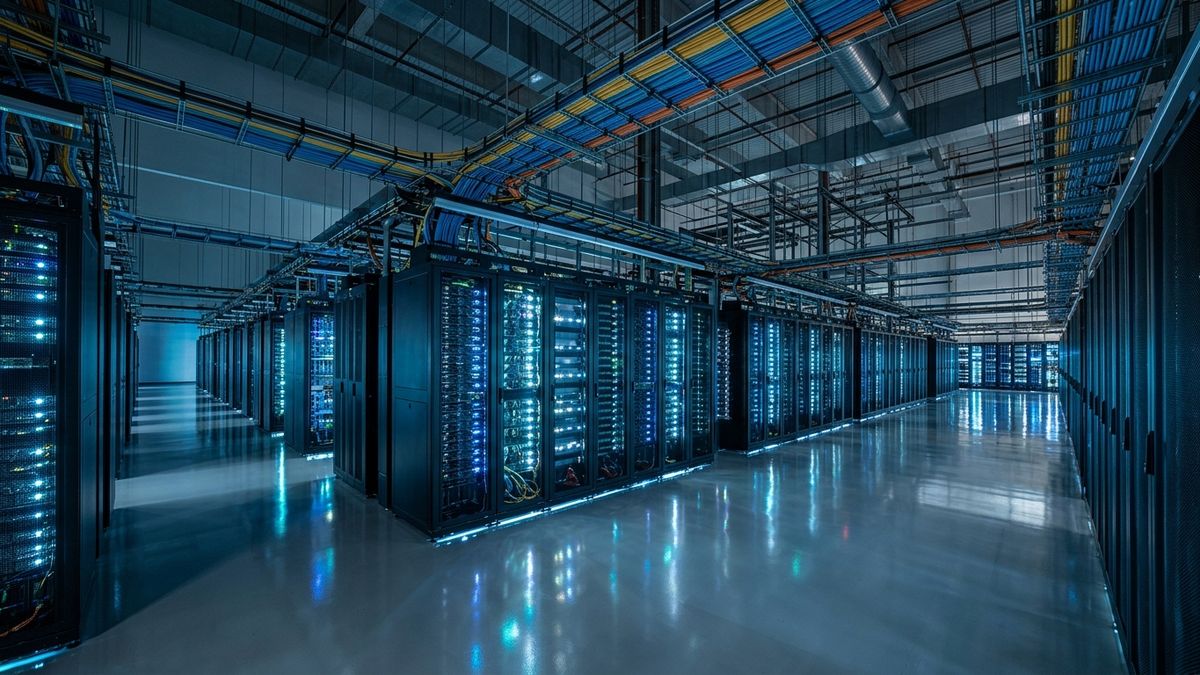
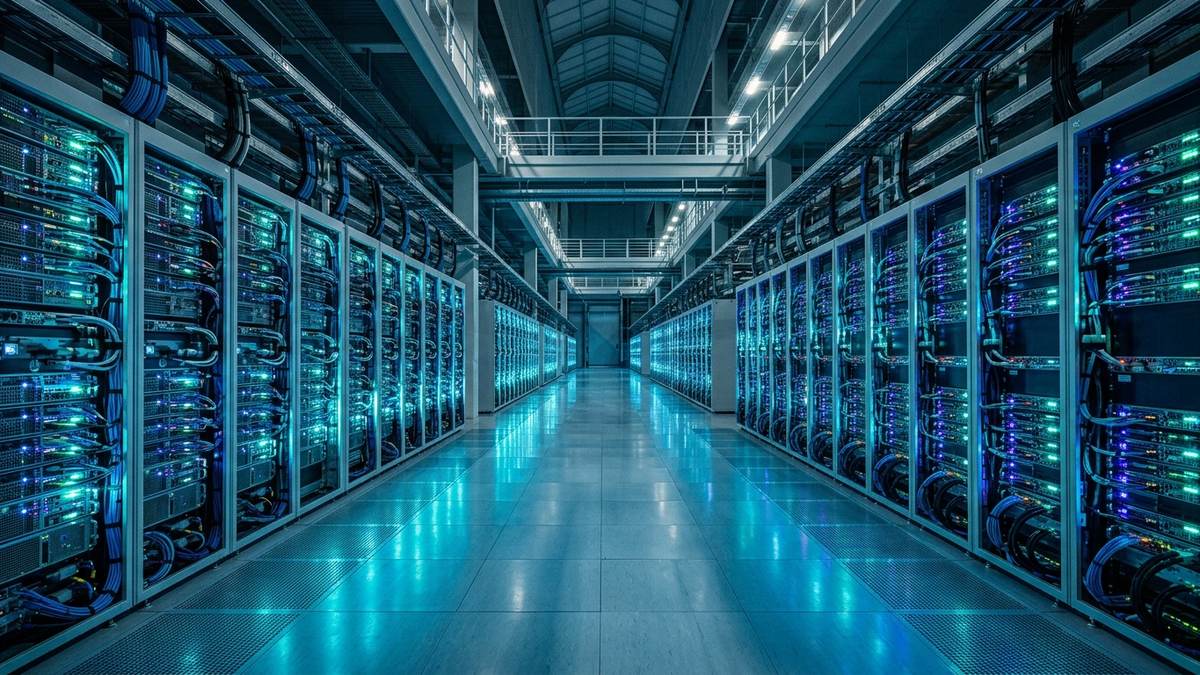
Without domestically controlled GPU clusters and high-performance compute fabric, Indian AI labs remain dependent on cloud credits from AWS, Azure and GCP — credits that can be throttled, repriced or restricted based on geopolitical shifts. The recent L&T–Together AI hyperscale data centre deal signals growing private-sector commitment to onshore compute, but sovereign ownership of the silicon layer remains a distant goal.
"You cannot claim AI sovereignty while renting every GPU cycle from foreign cloud providers. India needs its own NVIDIA moment — a domestic AI accelerator ecosystem,"argued Vijay Shekhar Sharma, founder of Paytm and an angel investor in multiple AI startups.
Talent Pipeline: From Services to Research
India produces over 1.5 million engineering graduates annually, but fewer than 5,000 specialize in AI/ML research at the doctoral level. The brain drain compounds the challenge: an estimated 65% of Indian-origin AI researchers at top global labs (DeepMind, FAIR, OpenAI) received their foundational training in India but built their careers abroad.
Recent initiatives like Bengaluru's AI engineering push through Bessemer Tech Catalyst aim to reverse this trend by creating domestic research accelerators that match global compensation and infrastructure standards.
The Path Forward: Policy Recommendations
Industry coalitions including NASSCOM's AI Council and the Ministry of Electronics & IT have outlined a phased roadmap for transitioning from adoption to ownership:
1. Compute Sovereignty Fund: Establish a ₹25,000 crore national AI compute fund to deploy 50+ exaFLOPS of domestically controlled training capacity by 2030.
2. Open Foundation Model Initiative: Fund 10 indigenous foundation model projects across healthcare, agriculture, legal and Indic language domains.
3. AI Chip Moonshot: Launch a dedicated semiconductor design program targeting India's first commercial AI training accelerator within 5 years.
4. Research Retention: Create 500 Atal AI Research Fellowships offering globally competitive compensation to retain top PhD talent domestically.
Strategic Timeline for AI Ownership Transition
| Phase | Timeline | Key Milestones | Investment Required |
|---|---|---|---|
| Phase 1: Foundation | 2026–2027 | 10 indigenous models, 10 exaFLOPS compute | ₹15,000 Cr |
| Phase 2: Scale | 2027–2029 | First Indian AI chip tape-out, 30 exaFLOPS | ₹35,000 Cr |
| Phase 3: Sovereignty | 2029–2031 | Full-stack domestic AI capability | ₹60,000 Cr |
The Bottom Line
India's AI adoption story is a genuine success — but it is an incomplete one. Without parallel investment in foundational model development, sovereign compute infrastructure and world-class research talent, India risks becoming permanently dependent on foreign AI intellectual property. The window for building AI ownership is narrow, and the cost of inaction is strategic irrelevance in the defining technology race of the 21st century.