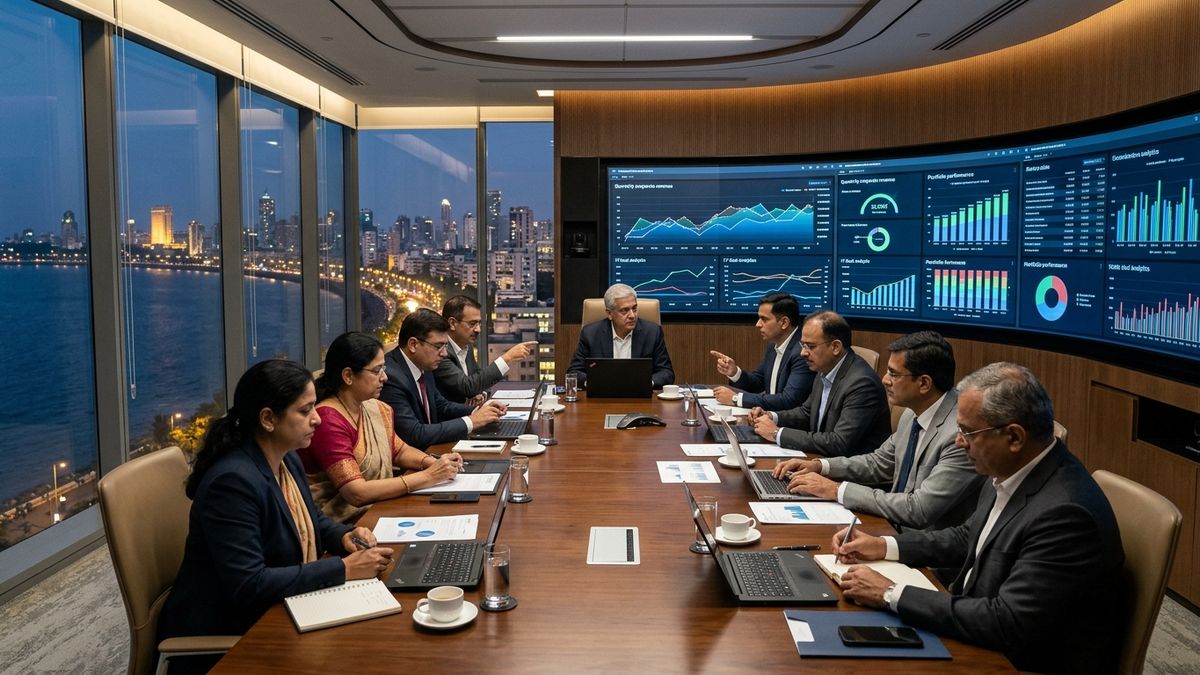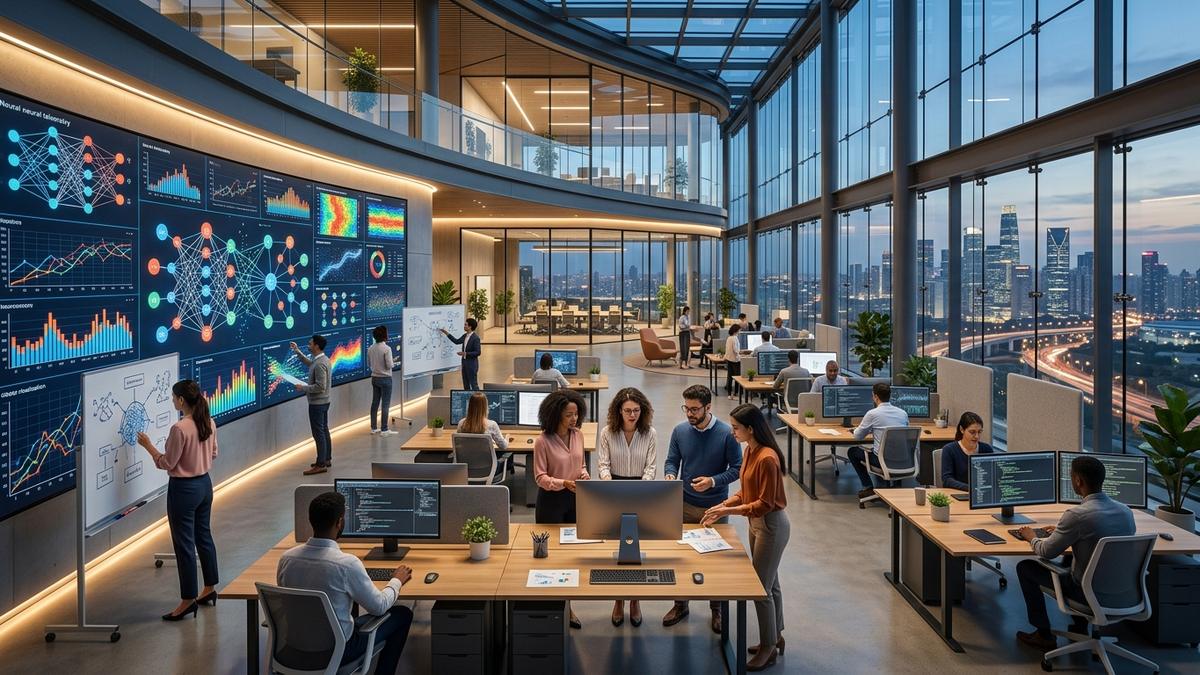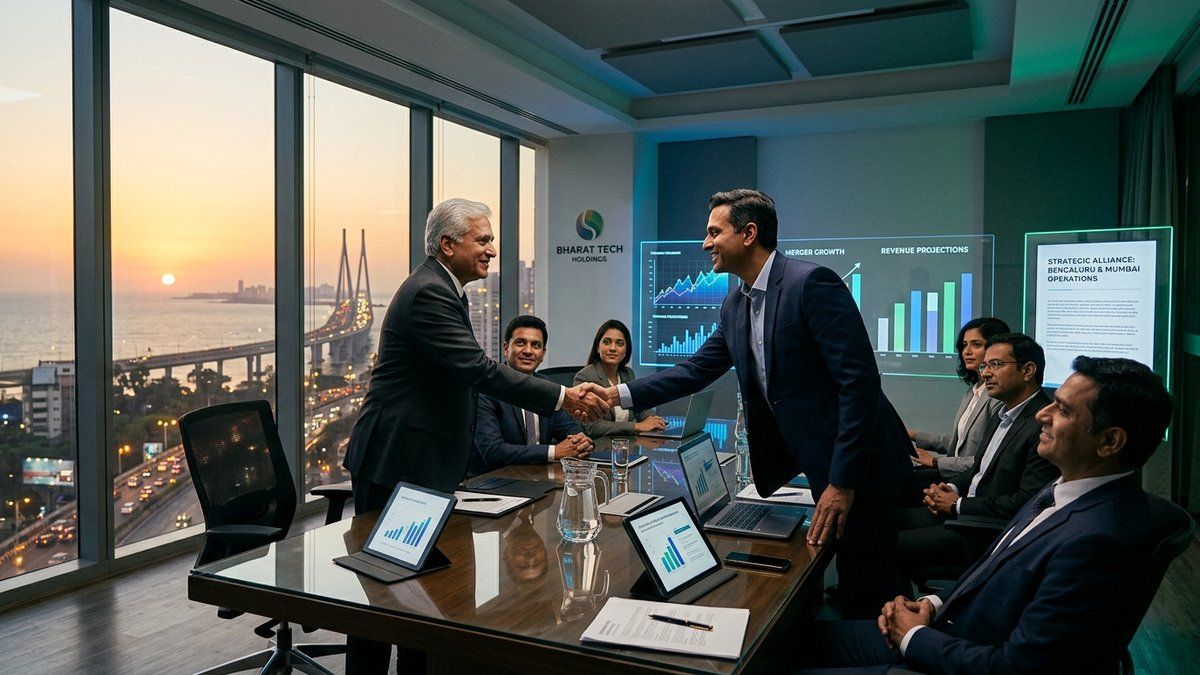
Asahi India Glass appoints Dr Chander Shekhar Devra as CIO to lead enterprise AI adoption, Industry 4.0 automation, and smart factory modernization.
Executive Key Takeaways
- Asahi India Glass Limited (AIS) has appointed Dr Chander Shekhar Devra as Chief Information Officer to steer enterprise AI and smart manufacturing.
- The modernization roadmap prioritizes computer vision for automated float-glass defect detection, IoT-driven furnace thermal optimization, and integrated ERP supply chain intelligence.
- The appointment comes as India's manufacturing sector aggressively transitions to Industry 4.0 standards, utilizing predictive analytics to curb energy consumption and maximize operational yields.
Asahi India Glass Limited (AIS), the country's premier integrated glass solutions manufacturer, has appointed Dr Chander Shekhar Devra as its Chief Information Officer (CIO). In this pivotal executive appointment, Dr Devra assumes direct leadership over enterprise technology strategy, industrial internet-of-things (IoT) deployment, automated manufacturing execution systems (MES), and artificial intelligence initiatives across AIS's extensive manufacturing plants and supply chain network.
With a distinguished career spanning enterprise IT architecture, digital manufacturing, and complex ERP transformations, Dr Devra's appointment signals AIS's determined shift toward Industry 4.0. As the premier supplier of automotive safety glass to leading carmakers—including Maruti Suzuki, Hyundai, and Tata Motors—as well as architectural glass for commercial real estate, AIS is modernizing high-temperature, capital-intensive manufacturing lines through predictive intelligence.
The Manufacturing Mandate: Bringing AI to High-Temperature Float Glass
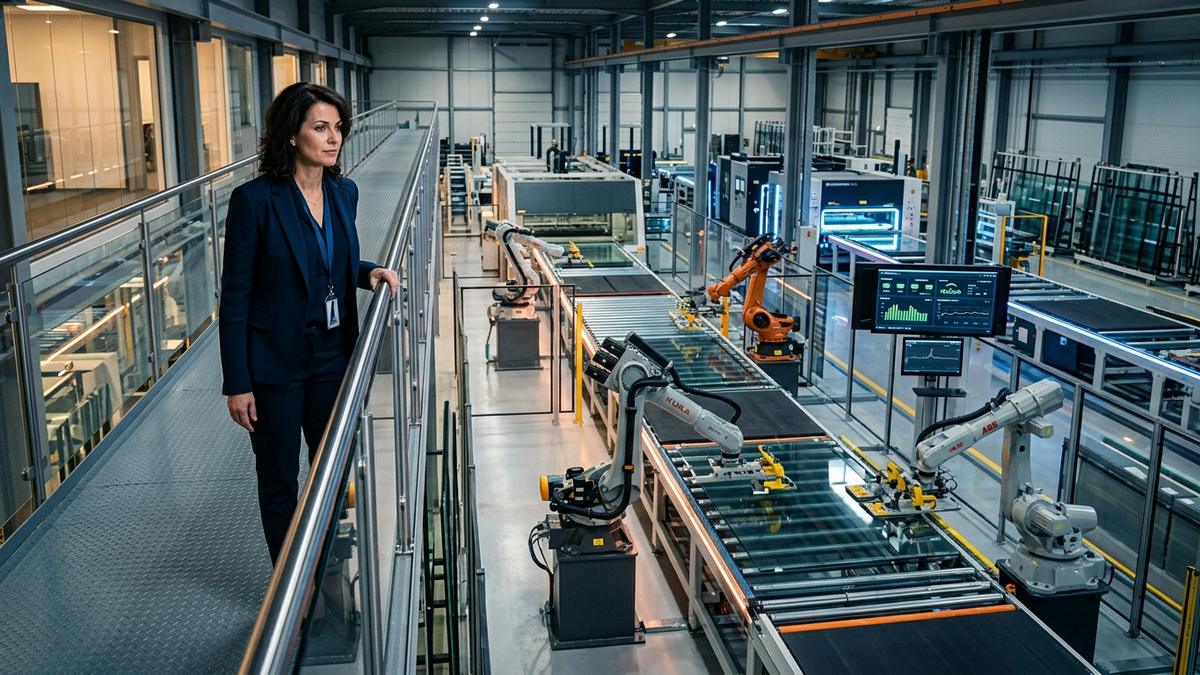
Industrial glass manufacturing is an exacting, thermally intensive engineering discipline. Raw silica sand, soda ash, and cullet are melted in massive regenerative furnaces operating at temperatures exceeding 1,500 degrees Celsius. Once melted, the molten glass flows onto a molten tin bath to form continuous ribbons of float glass.
Small temperature fluctuations or chemical inconsistencies can induce microscopic bubbles, stress fractures, or optical distortion. Dr Devra's digital transformation roadmap focuses on three high-impact operational interventions:
- Computer Vision Quality Control: Implementing high-speed, line-scan industrial cameras integrated with deep convolutional neural networks to detect micro-inclusions, surface scratches, and thickness variations along the moving glass ribbon at 60 meters per minute.
- Predictive Furnace Combustion Optimization: Utilizing machine learning algorithms to analyze real-time telemetry from thousands of thermocouple sensors, continuously adjusting air-fuel ratios to reduce natural gas consumption and lower greenhouse gas emissions.
- Automated Defect Marking and Cutting: Dynamically optimizing automated robotic cutting bridges to maximize usable yield around identified defect coordinates, reducing costly raw material waste.
"Modern industrial leadership requires bridging the historical divide between Information Technology (IT) and Operational Technology (OT),"observed manufacturing analytics specialists. "Appointing a seasoned technologist like Dr Devra highlights AIS's commitment to making artificial intelligence a core operational driver on the factory floor."
Enhancing OEM Supply Chain Resilience and JIT Synchronization
Beyond the factory floor, Dr Devra will oversee the modernization of AIS's enterprise resource planning (ERP) and logistics architecture. Supplying automotive assembly lines requires strict adherence to Just-In-Time (JIT) and Just-In-Sequence (JIS) delivery schedules. Any delivery delay can bring an OEM's entire vehicle assembly line to a costly halt.
By implementing unified data fabrics and predictive demand forecasting models, AIS aims to achieve granular visibility from tier-2 silica mineral procurement through to final dealer deliveries. This mirrors similar enterprise modernization trends across India's industrial and corporate ecosystem, as examined in our coverage of enterprise AI modernizations and IT transformation strategies.
The table below outlines the core pillars of Asahi India's smart manufacturing roadmap:
| Operational Pillar | Legacy Industrial Baseline | AI-Driven Industry 4.0 Target | Quantifiable Business Impact |
|---|---|---|---|
| Float Glass Defect Inspection | Manual visual inspection & spot audits | Automated inline 4K computer vision | 99.8% defect detection accuracy |
| Furnace Thermal Control | Static set-point manual adjustments | Closed-loop predictive ML combustion tuning | 4 – 7% reduction in furnace fuel consumption |
| Robotic Line Maintenance | Scheduled periodic maintenance | Vibration & acoustic telemetry predictive alarms | 30% reduction in unplanned line downtime |
| Automotive OEM Fulfillment | Batch EDI transmissions | Real-time IoT telematics and JIT sync | 99.9% on-time assembly delivery compliance |
| Workplace Safety Compliance | Periodic CCTV human monitoring | Automated PPE and hazard zone computer vision | Zero workplace safety incidents mandate |
Leading Manufacturing Transformation in the AI Era
India's manufacturing sector is undergoing an unprecedented digital leap, supported by national initiatives like the Production Linked Incentive (PLI) scheme and smart factory mandates. Heavy industries—from glass and steel to automotive assembly—are recognizing that digital intelligence is essential for global export competitiveness.
Under Dr Devra's stewardship, Asahi India Glass is positioning its technology organization not as a back-office support department, but as a strategic revenue and efficiency multiplier. By systematically deploying edge computing, industrial IoT, and cognitive enterprise analytics, AIS demonstrates how legacy manufacturing powerhouses can reinvent themselves for the algorithmic era, paralleling data-driven modernization across fintech and predictive risk engineering.
Frequently Asked Questions
Who is Dr Chander Shekhar Devra and what is his new role at Asahi India Glass?
Dr Chander Shekhar Devra is an experienced enterprise IT and digital transformation leader who has been appointed as Chief Information Officer (CIO) at Asahi India Glass Limited (AIS).
What are Dr Devra's primary strategic mandates at AIS?
His mandate encompasses deploying artificial intelligence, Industry 4.0 IoT automation, predictive furnace telemetry, and modern cloud infrastructure across AIS's manufacturing plants.
How will artificial intelligence transform industrial glass manufacturing at AIS?
AI computer vision models will automate real-time surface defect inspection on float glass ribbons, while machine learning optimizes furnace thermal profiles to lower energy consumption.
Why is digital supply chain integration critical for Asahi India?
AIS supplies windshields and structural glass to major automotive OEMs on strict Just-In-Time (JIT) schedules; end-to-end digital integration eliminates production bottlenecks and delivery delays.
Primary Sources & Official References
- Asahi India Glass Limited (AIS): Executive Leadership Disclosures and Stock Exchange Filings
- National Stock Exchange of India (NSE): AIS Corporate Governance and Management Updates
- Confederation of Indian Industry (CII): Smart Manufacturing & Industry 4.0 Executive Briefing
- Bureau of Energy Efficiency (BEE): Energy Conservation Benchmarks for Industrial Glass Production