Deeptech Investors Stay Bullish Despite Fewer Mega Deals
By Karan Kapoor | Published July 21, 2026 | 5 min read
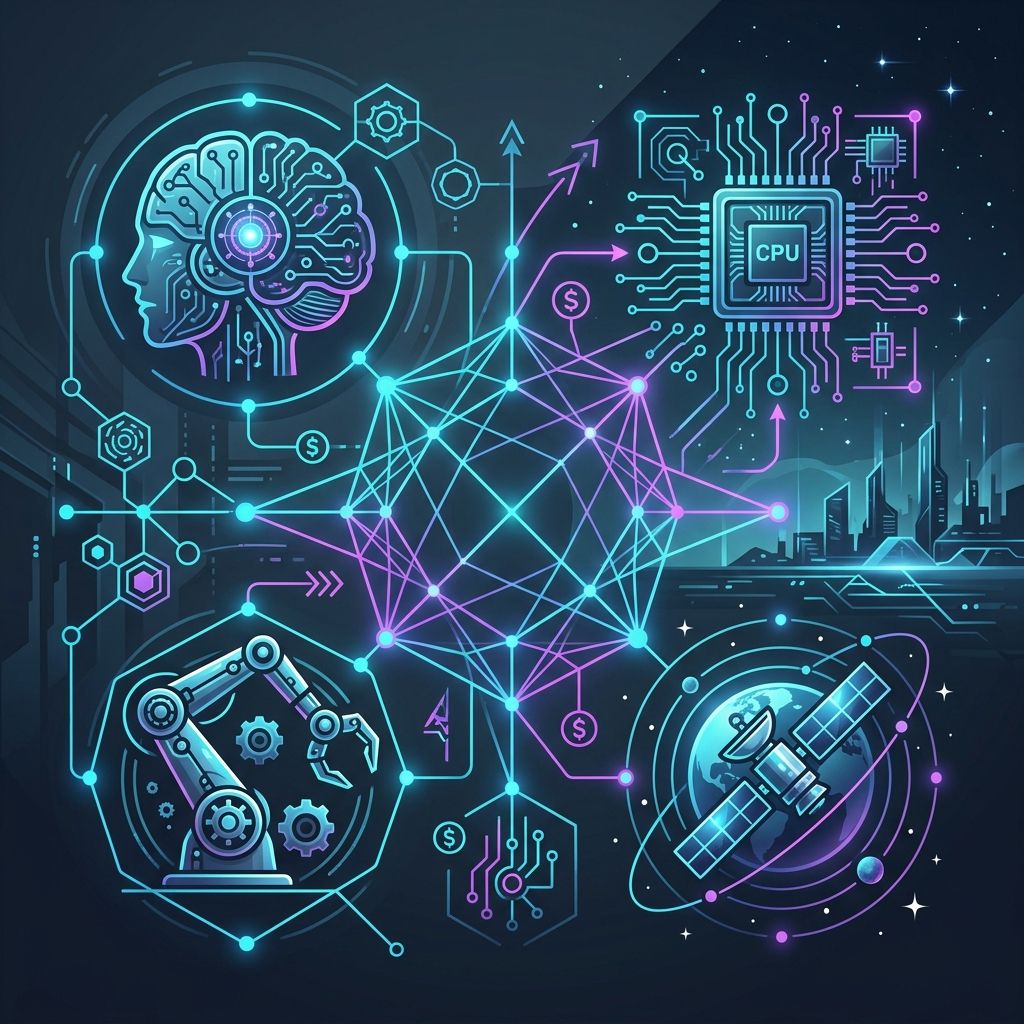
VCs are doubling down on AI, semiconductors, robotics, and spacetech as India's deeptech ecosystem continues to mature.
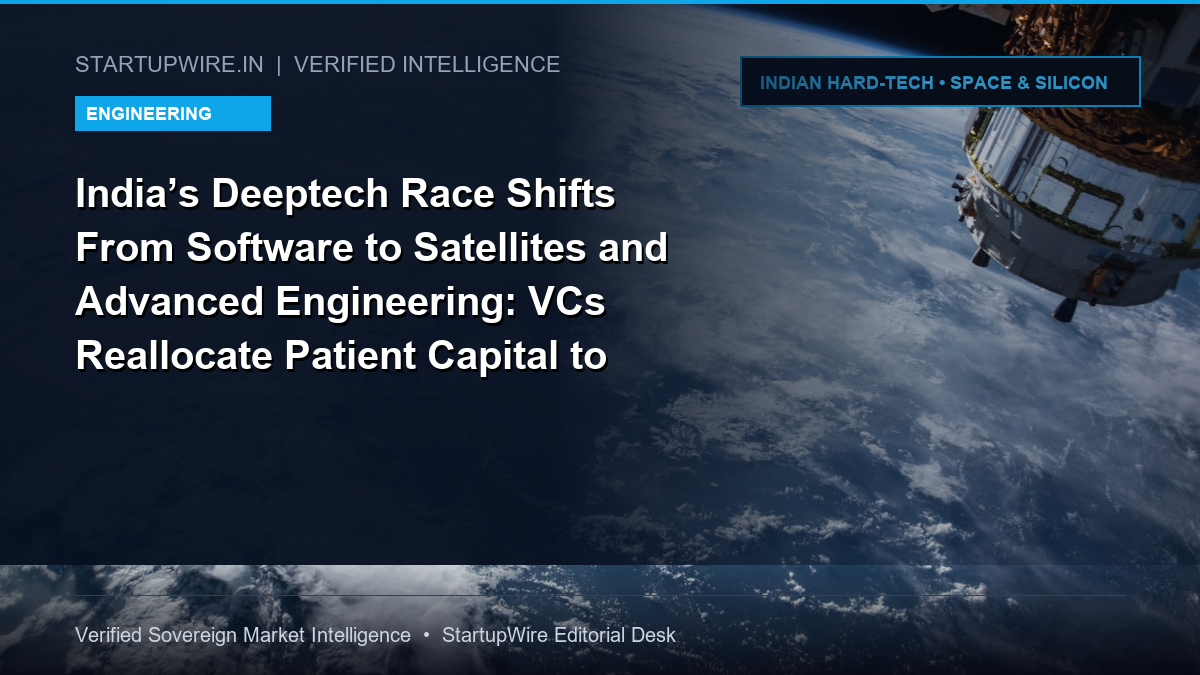
Despite a drop in late-stage mega deals, early and growth-stage investors in India are doubling down on deeptech sectors, showing a strong appetite for startups working on AI, semiconductors, robotics, spacetech, and advanced materials.
As the Indian startup ecosystem matures, venture capital (VC) firms are shifting their focus away from traditional consumer internet and SaaS companies toward core engineering and science-driven innovations that offer high defensibility and global scalability.
Growth of Deeptech Funding in India
According to industry data, deeptech startup funding in India has remained highly resilient throughout the first half of 2026. While the average deal size has decreased due to global macro headwinds, the number of active deals has risen steadily.
| Sector | Key Focus Area | H1 2026 Investment (Est.) | Growth (YoY) |
|---|---|---|---|
| Artificial Intelligence | LLMs, Agentic AI, Computer Vision | $340M | +45% |
| Spacetech | Launch vehicles, Satellite networks | $120M | +20% |
| Semiconductors | Fabless design, Edge computing | $95M | +65% |
| Robotics | Industrial automation, UAVs | $80M | +15% |
VCs Shift to Defensible Technology
For years, the Indian VC ecosystem was dominated by hyper-local consumer models, e-commerce, and logistics. However, the market correction of 2023–2024 forced investors to look for startups with proprietary IP (intellectual property) and hard-to-replicate technologies.
"We are seeing a major shift in investor mindset," says a partner at a prominent Bengaluru-based fund. "Instead of funding customer acquisition, VCs want to fund deep R&D. A company with proprietary chip designs or a patent-pending robotics arm has a global market from day one, which makes them highly attractive even in a tight capital environment."
Government Policy as a Catalyst
The Indian government has also played a crucial role in reducing risks for deeptech investors. Initiatives like the IndiaAI Mission, IN-SPACe, and the National Deep Tech Startup Policy have created a stable regulatory structure and provided capital subsidies that act as non-dilutive funding, giving VCs extra confidence to write early-stage checks.
Looking Forward
As Indian academic institutions like the IITs and IISc continue to spin out high-quality IP, and as ex-tech executives from global giants return to build deeptech startups locally, the pipeline of investable companies is stronger than ever. The era of quick-flip consumer apps is giving way to a new generation of founders building hard engineering solutions for the world.