AI + Semiconductors + Quantum: India’s Next Tech Push
By Rohan Varma | Published September 26, 2026 | 8 min read
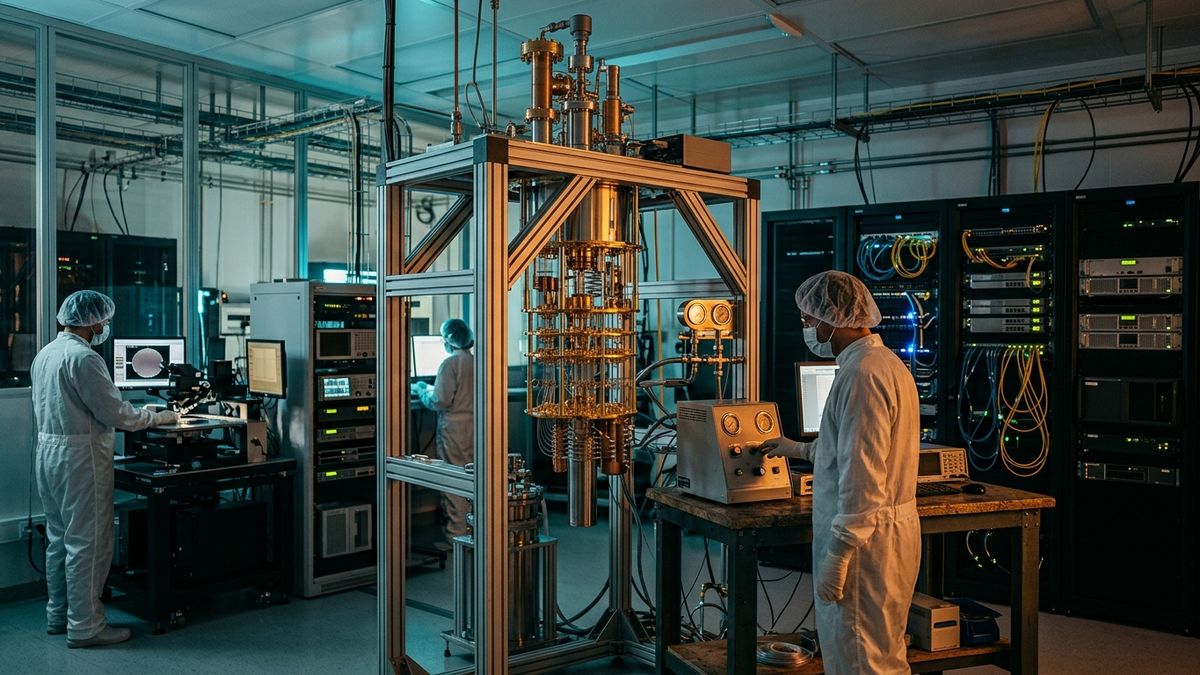
Union Finance Minister Nirmala Sitharaman outlines India’s trifecta technology push, designating AI, semiconductor silicon, and quantum computing as core infrastructure.
Union Finance Minister Nirmala Sitharaman has formally designated artificial intelligence, semiconductor fabrication, and quantum computing as the foundational pillars of India's next capital expenditure wave. Speaking before industrial leaders, research scientists, and technology executives, the Finance Minister emphasized that these frontier technologies will no longer be treated as isolated high-tech sectors, but rather as sovereign national infrastructure equivalent to expressways, power grids, and maritime logistics corridors.
The strategic repositioning comes as global technology supply chains face increasing geopolitical polarization and resource constraints. By synchronizing fiscal allocations across the IndiaAI Mission, the India Semiconductor Mission (ISM), and the National Quantum Mission (NQM), the central government aims to establish an unassailable domestic digital foundation that ensures technological sovereignty and long-term economic resilience.
The Convergence of Silicon, Neural Networks, and Qubits
For decades, national industrial policy operated within distinct silos: software development, microelectronics fabrication, and fundamental physical sciences rarely shared unified budgetary mandates. India's revised technology doctrine bridges these domains into a cohesive computational pipeline.
Under this synchronized architecture, artificial intelligence provides the software and analytical intelligence, advanced semiconductor chips supply the physical processing power, and quantum technology offers the next computational leap for complex materials discovery, secure cryptography, and molecular modeling.
"Infrastructure in the twenty-first century is not merely concrete and steel; it is computational silicon, sovereign algorithmic pipelines, and quantum-grade communication channels,"stated Union Finance Minister Nirmala Sitharaman during her address. "India will back these strategic frontier technologies with patient, long-term capital to ensure that our digital independence matches our economic ambition."
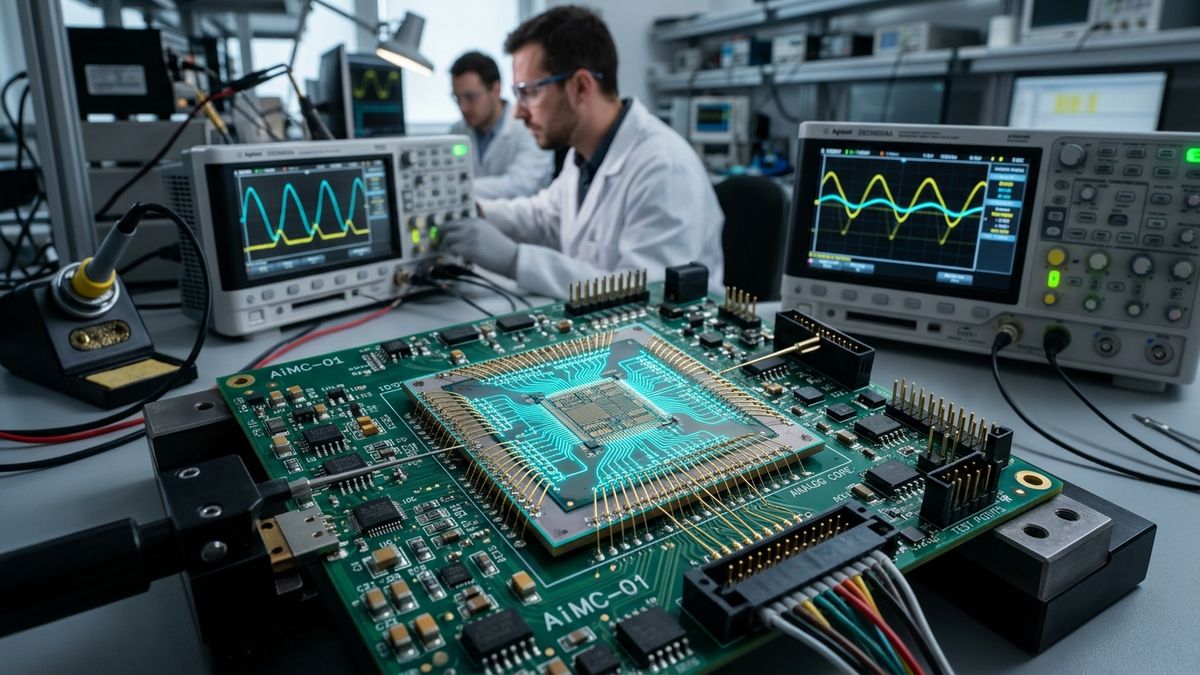
This comprehensive hardware push directly aligns with the rapid expansion of domestic chip capabilities seen in Swadeza's AI-native semiconductor tools and global microelectronics investments such as Mythic AI's analog computing expansion in Bengaluru.
Capital Allocation and Inter-Mission Synergy
The government's coordinated roadmap establishes direct operational linkages between three multi-billion-rupee national initiatives:
- The IndiaAI Mission (Rs 10,372 Crore): Providing subsidized access to a sovereign compute pool of over 10,000 graphics processing units (GPUs) and specialized AI accelerators for domestic researchers, startups, and public institutions.
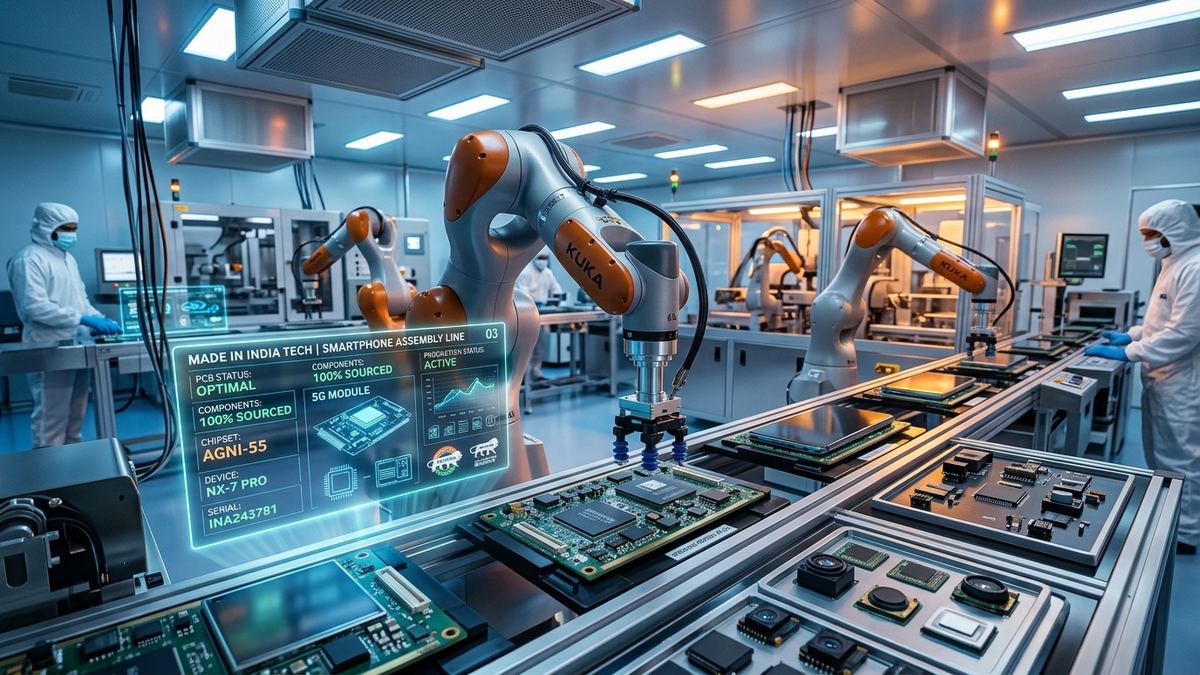
- The India Semiconductor Mission (Rs 76,000 Crore): Capitalizing commercial silicon fabs, packaging facilities (OSAT/ATMP), and compound semiconductor units, establishing domestic silicon supply chains that feed directly into national computing clusters.
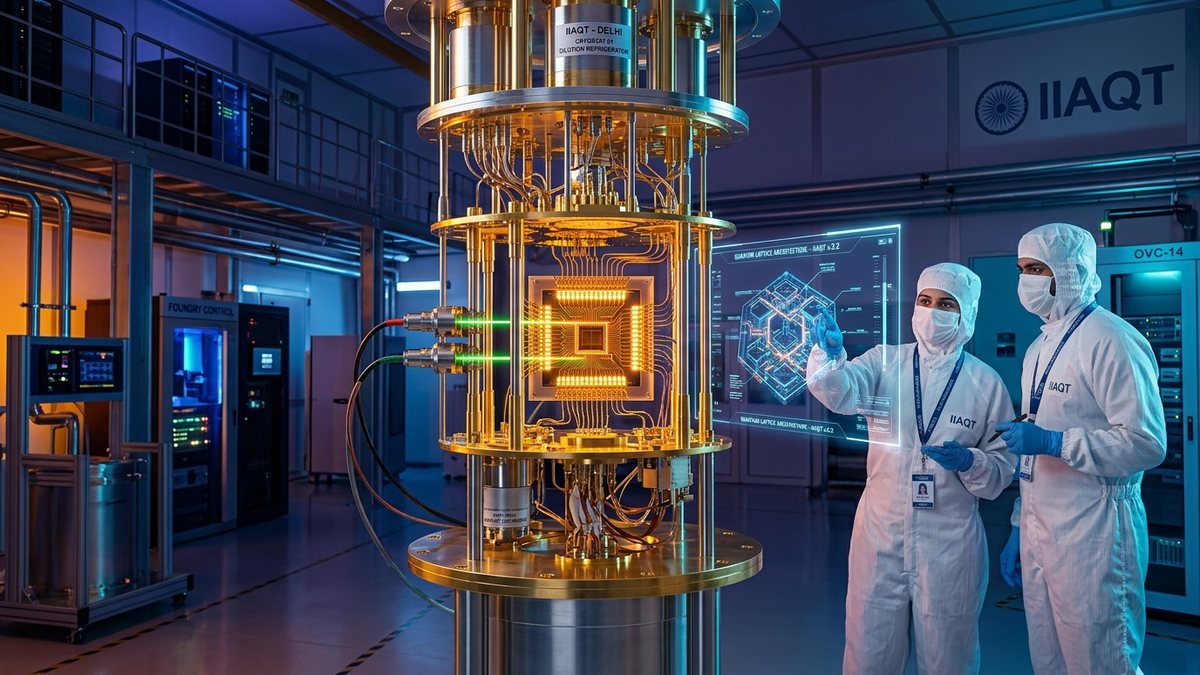
- The National Quantum Mission (Rs 6,003 Crore): Scaling intermediate-scale quantum computers with 50 to 1,000 physical qubits, deploying satellite-based secure quantum key distribution (QKD), and engineering precision quantum sensors.
Tri-Pillar Deeptech Infrastructure Blueprint
The structured matrix below outlines the strategic mandates, target capabilities, and operational timelines for India's unified deeptech push:
| Frontier Technology Pillar | Lead Mission / Framework | Target Operational Capability | Strategic Industrial Impact |
|---|---|---|---|
| Artificial Intelligence | IndiaAI Mission | 10,000+ Sovereign GPU Cluster & Open Datasets | Low-cost enterprise AI adoption & sovereign foundation models |
| Semiconductor Silicon | India Semiconductor Mission (ISM 2.0) | 28nm-45nm Logic Fabs, ATMP & Compound Foundries | End-to-end silicon autonomy for telecom, defense & automotive |
| Quantum Computing | National Quantum Mission (NQM) | 50-100 Qubit Superconducting & Photonic Processors | Post-quantum cryptographic security & drug discovery acceleration |
| Advanced Micro-EDA | Design Linked Incentive (DLI) Scheme | Sovereign ASIC, RISC-V & Compute-in-Memory Tools | Reduced licensing overhead for domestic fabless chip startups |
Upgrading the Physical Grid for Extreme Computing
Deploying world-class AI supercomputing clusters, semiconductor fabrication cleanrooms, and cryogenic quantum refrigeration testbeds requires an unprecedented upgrade of India's physical utilities.
A modern semiconductor fab requires tens of millions of liters of ultra-pure water daily and uninterrupted electrical feeds measured in hundreds of megawatts. Similarly, quantum computing dilution cryostats require specialized cryogenic helium loops and electromagnetic shielding facilities.
The Ministry of Finance indicated that state governments hosting these deeptech clusters will receive dedicated viability-gap funding and accelerated environmental clearances to build dedicated high-voltage substations, tertiary water treatment plants, and secure dark fiber trunks connecting research institutes with industrial corridors.
Catalyzing Private Enterprise and Academic Commercialization
To ensure that state capital translates into commercial enterprise, the policy framework leverages the Rs 1 lakh crore Research and Innovation Fund announced in the Union Budget. This fund provides long-term, low-cost or zero-interest financing to private deeptech ventures undertaking high-risk hardware engineering.
Academic hubs, including IIT Madras, IISc Bengaluru, and IIT Bombay, are already scaling physical incubation testbeds where faculty and student researchers transition laboratory prototypes into commercially viable hardware enterprises.
As global venture capital firms realign portfolios toward hard tech—illustrated by Lightspeed's dedicated India AI fund—India's unified policy framework ensures that domestic ventures have access to both public infrastructure and private growth equity.
Frequently Asked Questions
What is India's trifecta tech push announced by Finance Minister Nirmala Sitharaman?
The policy push formalizes artificial intelligence, semiconductor chip design and manufacturing, and quantum computing as sovereign digital infrastructure. Rather than treating them as separate sectors, the government is linking them into a unified national technology stack supported by targeted fiscal capital expenditure and public-private partnerships.
How does the IndiaAI Mission connect with the semiconductor and quantum roadmaps?
The IndiaAI Mission deploys a sovereign tier of 10,000+ AI compute GPUs, which directly consumes domestic fab output developed under the India Semiconductor Mission. Simultaneously, quantum computing testbeds from the National Quantum Mission are integrated into high-performance computing centers to accelerate hybrid classical-quantum simulations and post-quantum cryptography.
What funding mechanisms support this infrastructure wave?
Capital allocation is distributed through established national budget allocations, including the Rs 10,372 crore IndiaAI Mission, the $10 billion (Rs 76,000 crore) India Semiconductor Mission, and the Rs 6,003 crore National Quantum Mission, bolstered by the Rs 1 lakh crore Research and Innovation Fund for concessional, long-term deeptech financing.
What commercial and security advantages does this policy provide to domestic enterprises?
By building indigenous compute capacity, domestic fabrication facilities, and quantum-safe cryptographic infrastructure, Indian enterprises reduce reliance on foreign technology supply chains, protect sensitive data, and gain early access to high-performance computing capabilities.
Primary Sources & Official References
- Ministry of Finance: Official Keynote Address on Frontier Digital Infrastructure & Sovereign Technology Architecture
- Ministry of Electronics and Information Technology (MeitY): IndiaAI Mission Sovereign Compute Deployment Directives
- India Semiconductor Mission (ISM): Comprehensive Hardware Ecosystem & Ancillary Infrastructure Blueprint
- Department of Science and Technology (DST): National Quantum Mission Mid-Term Operational Progress Report