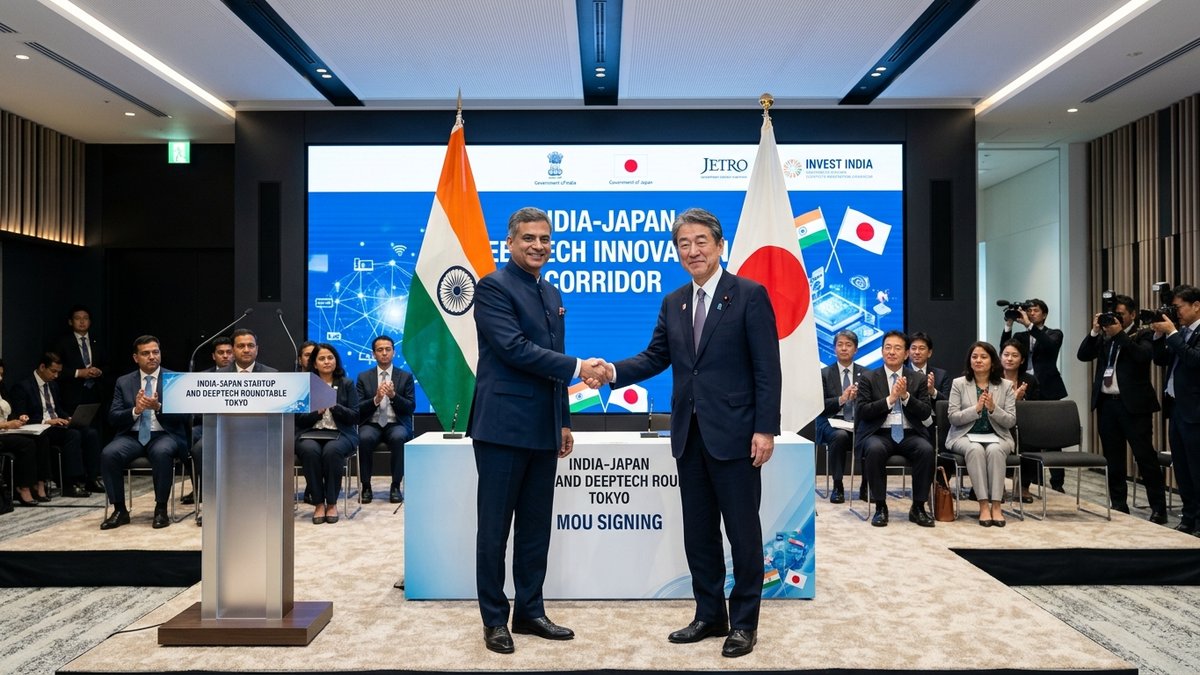
Union Minister Piyush Goyal Reaffirms Startups and MSMEs as Core Pillars of India’s Next Economic Growth Phase
By Dr. Ananya Roy | Published July 30, 2026 | 8 min read
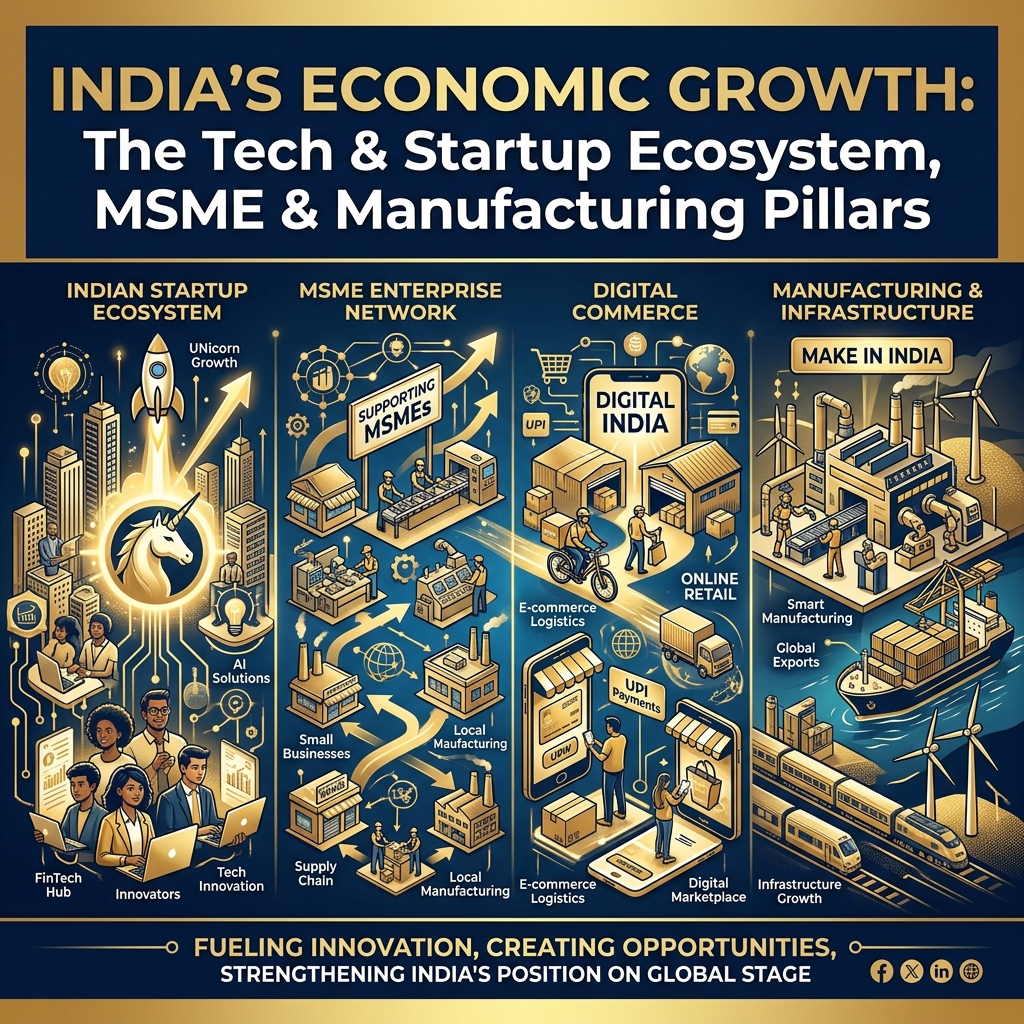
Commerce Minister Piyush Goyal highlights MSMEs and startup innovators as critical engines driving India's future economic resilience and global competitiveness.
Union Minister of Commerce and Industry Piyush Goyal has strongly reiterated that startups, Micro, Small, and Medium Enterprises (MSMEs), and grassroots innovators will serve as the primary engines propelling India into its next era of economic expansion. Speaking at an enterprise leadership summit in New Delhi, Minister Goyal emphasized that empowering young entrepreneurs and small business owners is vital for driving industrial output, creating sustainable employment, and enhancing India's international trade competitiveness.
The Minister underscored that the convergence of technology, creative enterprise, and policy deregulation has created an unprecedented environment for Indian companies to scale globally.
The Convergence of Traditional MSMEs and Deep-Tech Startups
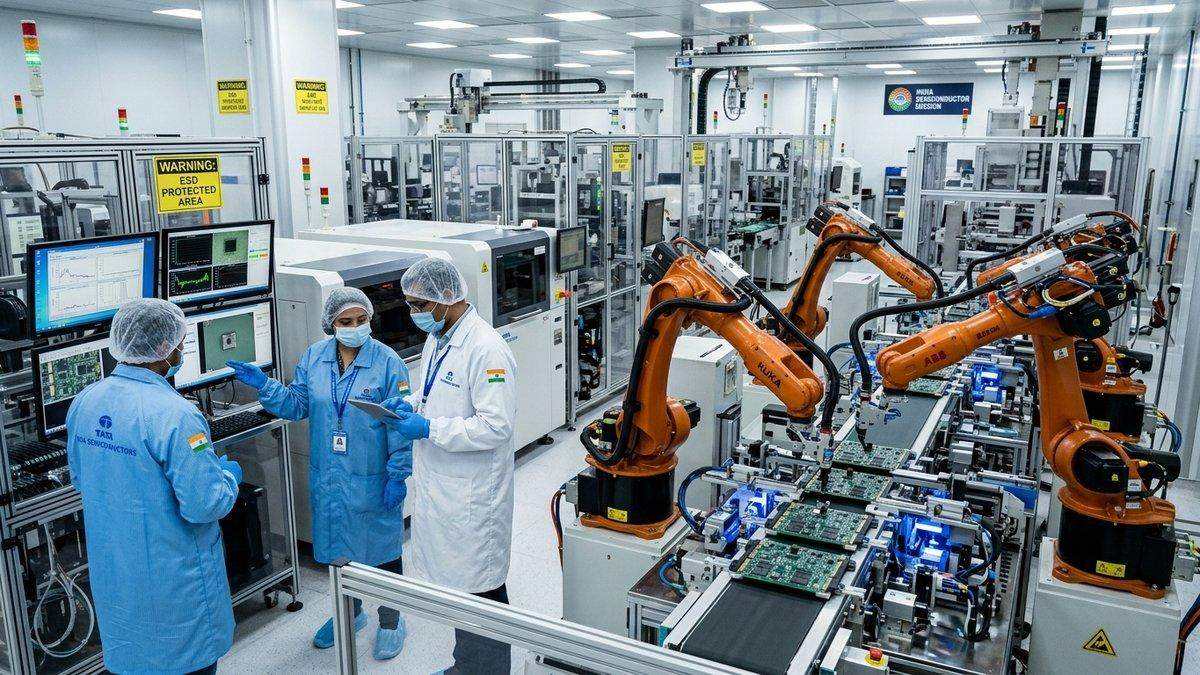
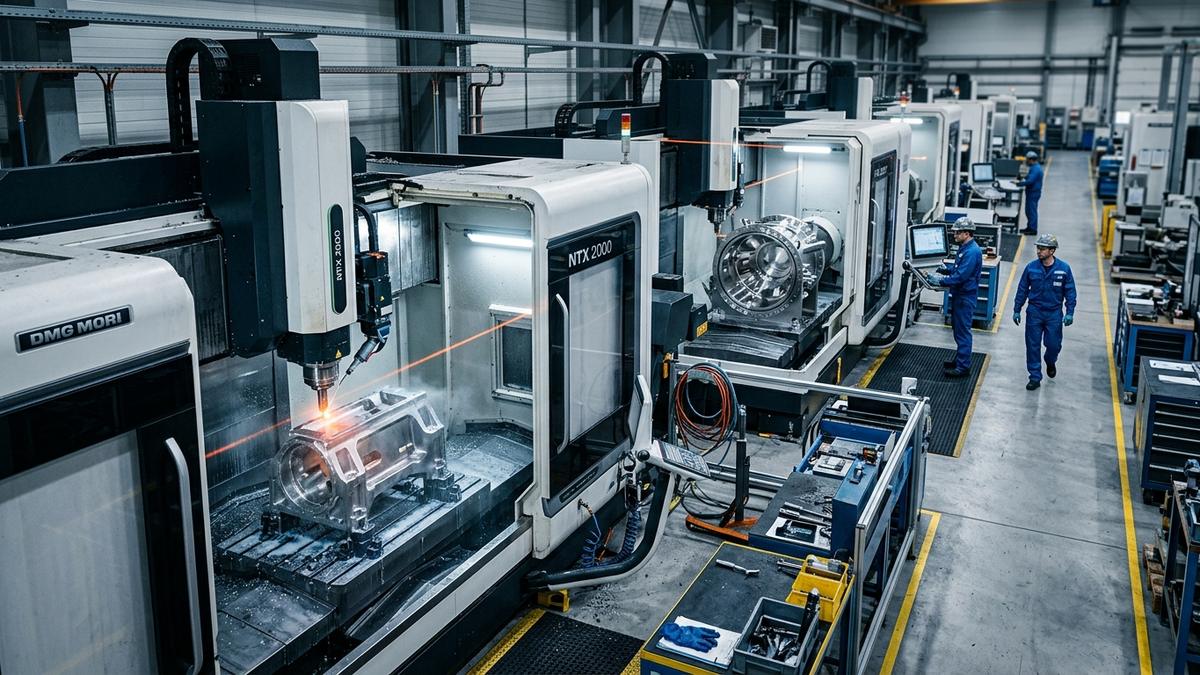
A central theme of Minister Goyal's address was the increasing synergy between traditional MSMEs and tech-driven startups. Rather than operating in isolated silos, modern manufacturing units and micro-enterprises are adopting digital commerce engines, automated supply chain management, and AI-driven operational tools developed by domestic tech founders.
This digital integration allows small businesses across Tier-2, Tier-3, and rural districts to optimize production, access institutional credit, and export goods directly to international buyers via digital public infrastructure.
Economic Impact Matrix: MSME & Startup Ecosystem Synergy
| Economic Growth Pillar | National Contribution Benchmark | Strategic Policy Objective |
|---|---|---|
| MSME Manufacturing Output | ~30% of Gross Domestic Product (GDP) | Industrial automation & export market expansion |
| Export Share Contribution | ~45% of India's Total Exports | Integration with global supply chain networks |
| Startup Ecosystem Scale | 110,000+ DPIIT-Recognized Startups | High-impact IP creation across AI, EV, & Biotech |
| Job Creation Potential | 120M+ Direct & Indirect Workforce | Empowering skilled labor in non-metro industrial corridors |
| Digital Enablement | ONDC & DPI Integration | Eliminating middleman friction in B2B & D2C trade |
Policy Mandate & Regulatory Reform
To maintain this growth momentum, the Ministry of Commerce is accelerating policy reforms aimed at easing compliance requirements, expanding access to collateral-free credit schemes, and protecting domestic intellectual property. Minister Goyal highlighted that simplified regulatory frameworks allow entrepreneurs to focus their energy on core innovation and commercial scaling rather than administrative overhead.
This supportive policy landscape has catalyzed significant public market activity, as observed in India's Expanding Startup IPO Pipeline of Over 50 Companies and rapid innovation in B2B supply logistics like Fixxly's $5.5 Million Quick-Commerce Funding.
"Our startups and MSMEs are not merely participants in India's growth story—they are its authors,"stated Union Minister Piyush Goyal. "By combining technological ingenuity with enterprise resilience, Indian entrepreneurs are proving that our country can build solutions that compete and win on the global stage."
Grassroots Entrepreneurship & Skill Incubation
Minister Goyal also pointed out the vital role of academic institutions and regional research centers in nurturing the next generation of business leaders. Government-funded initiatives, such as the ₹5 Crore Incubator Grant for Allahabad University, demonstrate how targeted public support can unleash entrepreneurial energy outside traditional tech hubs.
As India targets ambitious economic milestones over the coming decade, the combined strength of MSMEs and tech startups remains central to achieving resilient, inclusive, and innovation-led national growth.