Ather Energy achieves first quarterly net profit of ₹1.26 crore in Q2 FY27, as revenue jumps 62.8% to ₹1,464 crore on 93,000 unit sales and approves ₹122 crore capex.
Executive Key Takeaways
- Ather Energy achieved operational profitability in Q2 FY27, posting a maiden net profit of ₹1.26 crore compared to a ₹154 crore loss in Q2 FY26.
- Operating revenue soared 62.8% year-on-year to ₹1,464.24 crore, driven by a 44% surge in sales volume reaching approximately 93,000 electric scooters.
- The board cleared a ₹122 crore capex expansion program to increase automated assembly throughput across its Hosur plant and Maharashtra Factory 3.0.
Pioneering Indian electric two-wheeler manufacturer Ather Energy has posted its first-ever quarterly net profit for the second quarter of financial year 2027 (Q2 FY27), achieving a watershed operational milestone for India's clean mobility ecosystem. The Bengaluru-headquartered original equipment manufacturer (OEM) delivered a consolidated net profit of ₹1.26 crore, marking a decisive turnaround from a net loss of ₹154 crore recorded during the corresponding period of the previous financial year.
Revenue from operations climbed 62.8% year-on-year to ₹1,464.24 crore, up from ₹898.88 crore in Q2 FY26. The substantial top-line acceleration was propelled by robust market absorption of its Rizta family scooter alongside sustained demand for the performance-oriented 450 Series, driving quarterly vehicle sales volumes up 44% year-on-year to approximately 93,000 units.
Unpacking the Anatomy of Ather's Profitability Turnaround
For years, critics of India's electric mobility transition argued that EV two-wheeler manufacturers were structurally dependent on heavy government subsidies (such as FAME-II and EMPS) and would struggle to attain unit-level profitability once fiscal incentives tapered. Ather Energy's Q2 FY27 performance directly refutes this thesis, demonstrating that vertical engineering integration and localized manufacturing can yield sustainable positive margins.
The turnaround was underpinned by three primary operational levers:
- Mass-Market Volume Expansion via the Rizta: While Ather built its brand reputation on the high-performance 450X, the introduction of the Rizta family scooter dramatically expanded its addressable market to mainstream household commuters, more than doubling pre-order backlogs.
- Supply Chain Localization and Bill-of-Materials (BOM) Deflation: Intense localized redesign of battery packs, battery management systems (BMS), structural aluminum chassis castings, and motor controllers lowered per-vehicle manufacturing costs by over 18% on a year-on-year basis.
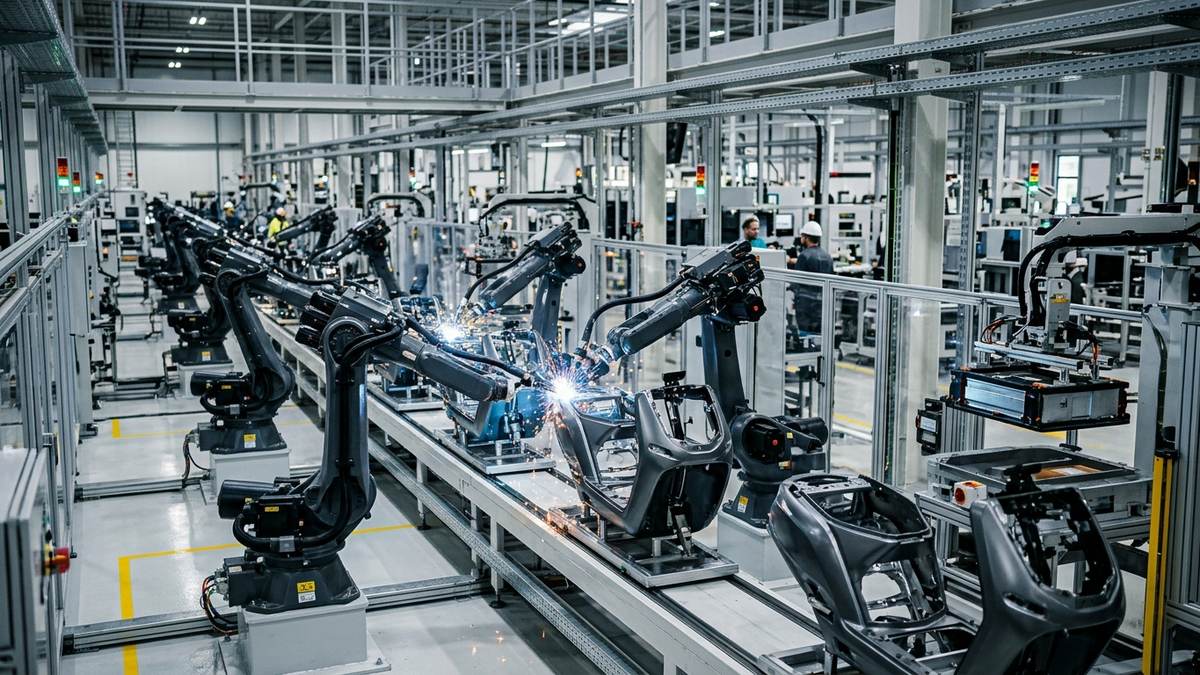
- Operating Leverage Across Fixed Overhead: As quarterly throughput crossed 90,000 units, factory overhead absorption, automated robotic welding lines, and dealer distribution networks realized substantial economies of scale, converting incremental gross profit directly into operating earnings.
"Achieving our first profitable quarter validates our core philosophy: that building an enduring technology company requires owning the underlying hardware, firmware, and manufacturing stack,"stated Ather Energy's leadership. "Profitable growth proves that electric two-wheelers in India have achieved structural commercial self-sustainability."
The industrial scaling of Ather's automated assembly plants intersects directly with the broader expansion of high-tech domestic manufacturing hubs, such as PRAGATI robotics and industrial automation corridors as well as AI-driven software-defined vehicle validation testing.
EBITDA Expansion and Working Capital Discipline
Operating performance exhibited an even sharper inflection than headline net income. Consolidated EBITDA (earnings before interest, taxes, depreciation, and amortization) swung to a positive ₹11.3 crore in Q2 FY27, compared to a negative EBITDA loss of ₹133 crore in Q2 FY26.
Working capital discipline also improved markedly. Ather's cash conversion cycle contracted by 14 days, supported by automated just-in-time (JIT) supplier warehousing, accelerated dealer receivables, and tighter finished inventory management across its 200+ retail Ather Space touchpoints nationwide.
Financial Performance Matrix: Q2 FY27 vs Q2 FY26
The table below contrasts Ather Energy's second-quarter performance against the previous fiscal year:
| Financial & Operating Metric | Q2 FY26 (Year-Ago Period) | Q2 FY27 (Reported Quarter) | Year-on-Year Growth | Strategic Trajectory |
|---|---|---|---|---|
| Operating Revenue | ₹898.88 crore | ₹1,464.24 crore | +62.8% YoY | Rapid scaling of mainstream family portfolio |
| Consolidated Net Profit / (Loss) | (₹154.00 crore) | ₹1.26 crore | Positive Inflection | Operational turnaround and positive unit economics |
| Consolidated EBITDA | (₹133.00 crore) | ₹11.30 crore | +₹144.3 crore delta | High operating leverage on automated factory assets |
| Vehicle Sales Volume | ~64,500 units | ~93,000 units | +44.2% YoY | Market share expansion across non-metro cities |
| Fast-Charging Network (Ather Grids) | ~1,850 points | ~3,100+ points | +67.5% YoY | Defensible charging ecosystem moat |
Board Approves ₹122 Crore Capacity Expansion Capex
Bolstered by profitable unit economics and surging retail order books that currently exceed monthly output, Ather Energy's Board of Directors authorized a fresh capital expenditure allocation of ₹122 crore.
The capital deployment will be apportioned across two primary manufacturing locations:
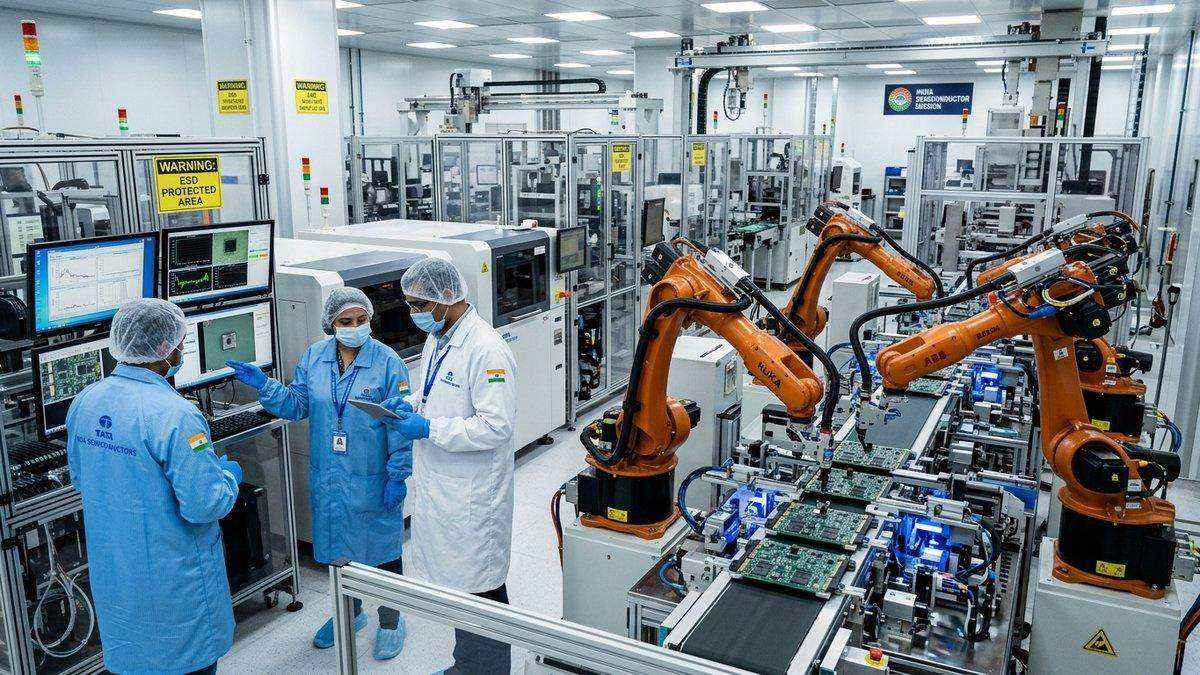
- Hosur Manufacturing Facility (Tamil Nadu): Upgrading automated surface mount technology (SMT) lines for proprietary battery management electronics and expanding robotic motor winding cells.
- Factory 3.0 in Chhatrapati Sambhajinagar (Maharashtra): Accelerating phase-two construction to bring online an additional 500,000 units of annual assembly capacity, strategically positioning Ather close to critical western and northern distribution markets.
Long-Term Implications for the Indian Electric Vehicle Landscape
Ather's milestone represents a maturation inflection for India's entire clean-tech venture ecosystem. As late-stage growth capital globally demands clear pathways to positive cash flow and net profitability, Ather Energy has demonstrated that EV hardware ventures can scale aggressively without enduring perpetual cash burn.
With its balance sheet de-risked and manufacturing operations generating positive operating cash flow, Ather is exceptionally well-positioned to advance its upcoming public listing (IPO), setting a formidable benchmark for peers across the domestic mobility sector.
Frequently Asked Questions
What is Ather Energy's net profit in Q2 FY27?
Ather Energy posted its first-ever quarterly net profit of ₹1.26 crore for Q2 FY27, marking a sharp operational turnaround from a net loss of ₹154 crore in Q2 FY26.
How much did Ather Energy's revenue grow in the second quarter?
Revenue from operations grew 62.8% year-on-year to reach ₹1,464.24 crore, up from ₹898.88 crore recorded in the same quarter of the previous financial year.
How many electric scooters did Ather deliver during Q2 FY27?
Ather delivered approximately 93,000 electric two-wheelers during the quarter, representing a 44% year-on-year increase in retail volume driven heavily by the Rizta family scooter.
What is the purpose of the board-approved ₹122 crore capital expenditure?
The ₹122 crore investment will expand automated manufacturing lines and battery pack integration at Ather's Hosur facility (Tamil Nadu) and Factory 3.0 in Chhatrapati Sambhajinagar (Maharashtra).
Primary Sources & Official References
- Ather Energy Limited: Stock Exchange Corporate Announcement & Q2 Earnings Release
- Society of Manufacturers of Electric Vehicles (SMEV): India EV Two-Wheeler Registration Data
- Ministry of Heavy Industries: EMPS & FAME EV Adoption Telemetry
- Vahan Dashboard: Pan-India Electric Two-Wheeler Retail Volume Analytics