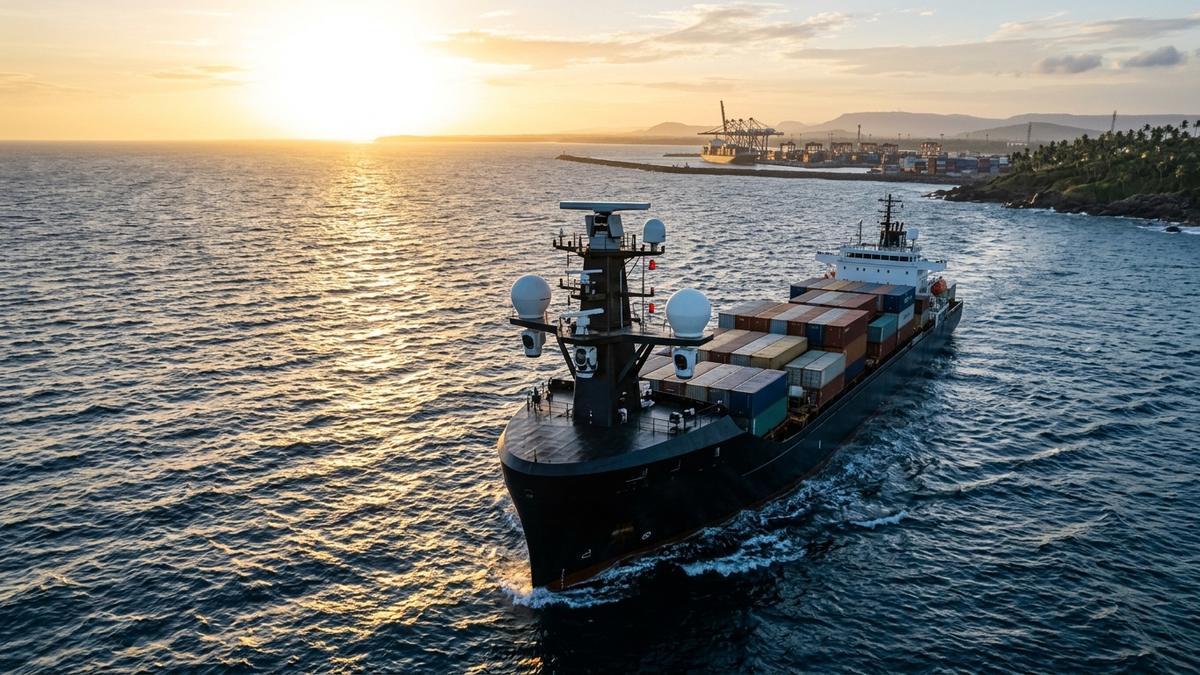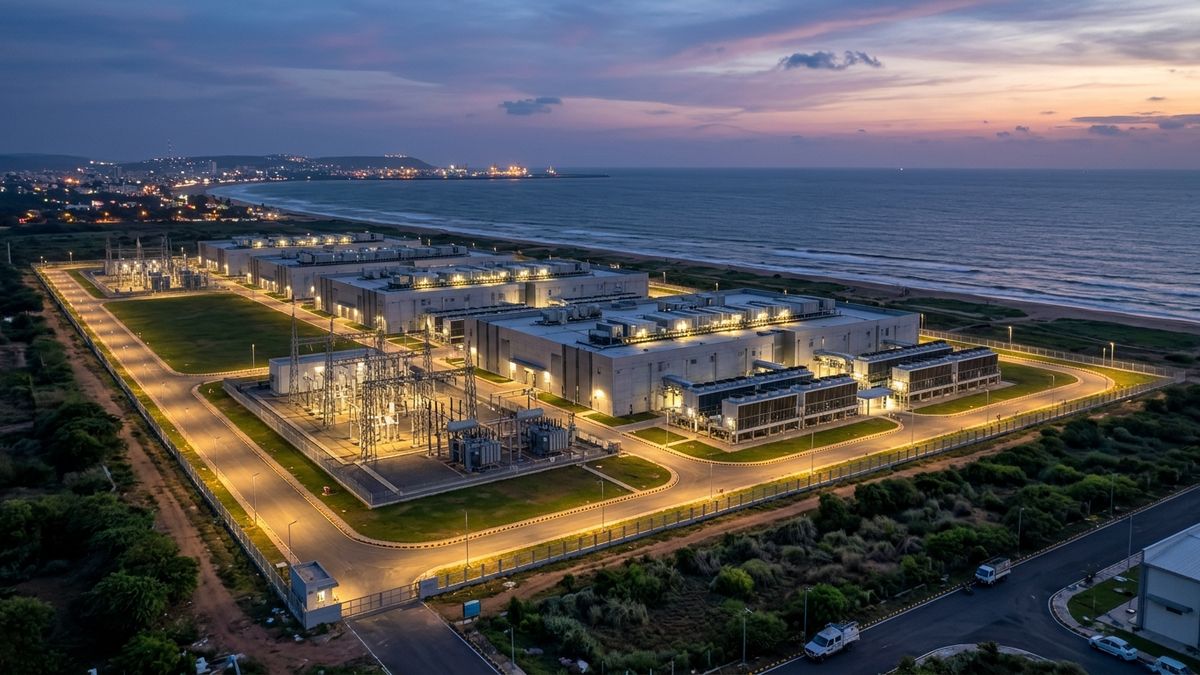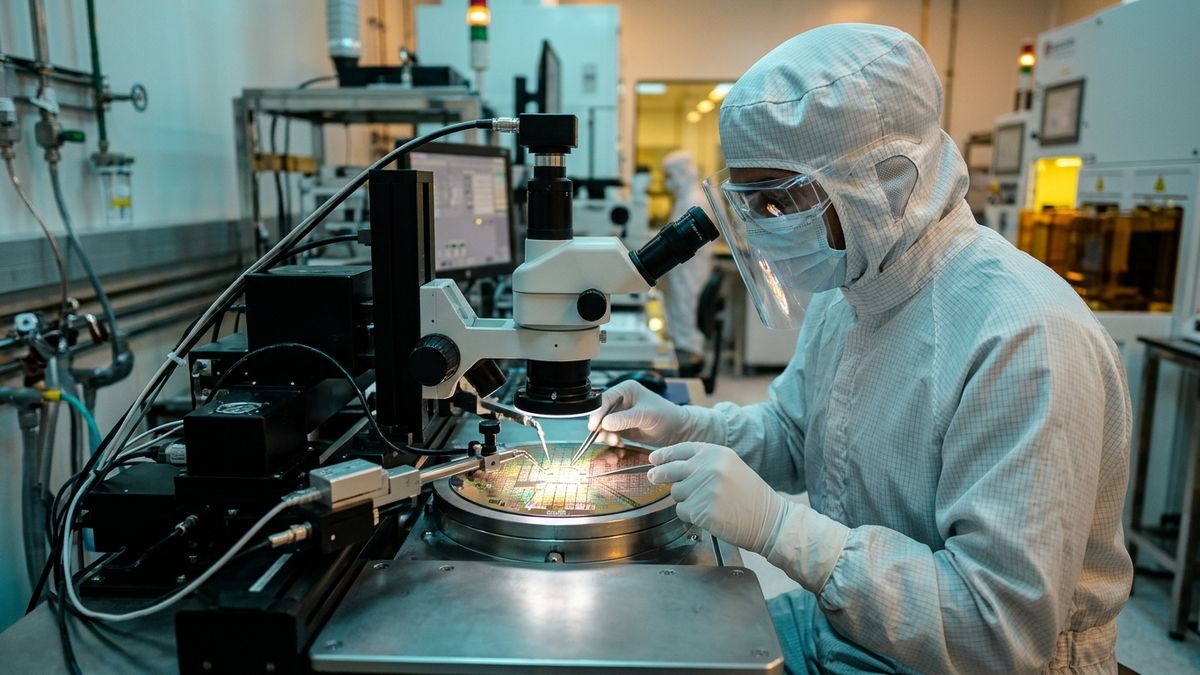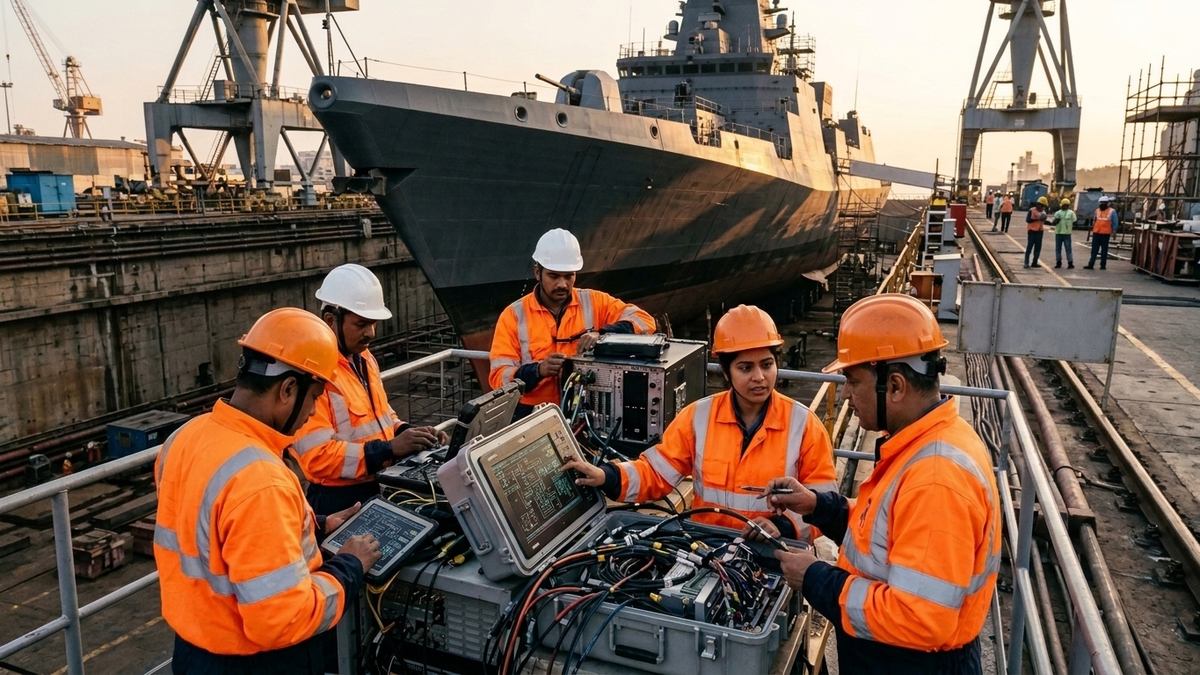
Electronic manufacturing leader Cyient DLM has signed a strategic partnership with Hindustan Shipyard Limited to co-develop, manufacture, and integrate mission-critical naval electronics, communications suites, and automated combat management consoles in Visakhapatnam.
Executive Key Takeaways
- The strategic pact establishes a dedicated naval electronics manufacturing and integration hub in Visakhapatnam under Atmanirbhar Bharat.
- Cyient DLM will design and fabricate ruggedized internal communication networks, radar electronics, and platform management systems for naval warships.
- The initiative targets lowering foreign component dependency in Indian naval vessels from 42% to under 15% across active fleet support and refit programs.
Cyient DLM, a leader in design-led electronic manufacturing services (EMS), has formalized a strategic Memorandum of Understanding with Hindustan Shipyard Limited (HSL), India's pioneer public-sector shipbuilder based in Visakhapatnam. The collaboration focuses on the joint design, manufacturing, and lifecycle integration of indigenous maritime electronics, ruggedized communication systems, and automated warship platform management suites for the Indian Navy and Coast Guard.
The partnership arrives amid an unprecedented push toward self-reliance in naval ship construction under the Ministry of Defence's Atmanirbhar Bharat initiative. While Indian shipyards have achieved over 75% indigenous content in ship hulls and mechanical propulsion structures, the high-value electronics and weapons-control vertical has historically remained reliant on imported European and Russian subsystems.
Bridging the Maritime Electronics Localization Gap
Modern naval warships are effectively floating electronic command hubs, with sensor suites, electronic warfare suites, sonar processing arrays, and combat management systems accounting for more than 40% of overall vessel capital cost. Under the terms of the alliance, Cyient DLM will act as a primary electronic manufacturing and engineering design partner for HSL's active fleet support ships, offshore patrol vessels, and strategic submarine refit programs.
[ Cyient DLM R&D & Precision Plants ] ──► [ Ruggedized Naval Electronics Suites ] ──► [ HSL Visakhapatnam Drydocks ]
     (Hyderabad & Mysuru Facilities)          - IPMS Platform Automation                  (Fleet Support Ships & Refits)
                                              - Secure VoIP Tactical Comm Networks
                                              - Radar Digital Processing Boards
Cyient DLM's precision manufacturing infrastructure in Mysuru and Hyderabad will fabricate naval-grade printed circuit board assemblies (PCBAs), high-density cable harnesses, and electromagnetic interference (EMI)-shielded processing consoles certified to stringent MIL-STD-810H and naval shock standards.
Comparative Localization Framework for Indian Naval Electronics
The structured matrix below outlines how the Cyient DLM and Hindustan Shipyard alliance shifts naval electronics sourcing from imported dependencies to domestic manufacturing:
| Maritime Subsystem | Traditional Sourcing Paradigm | Cyient DLM & HSL Indigenous Route | Strategic Impact on Fleet Readiness |
|---|---|---|---|
| Integrated Platform Management (IPMS) | Proprietary European OEMs | Indigenously programmed embedded PLCs | Full sovereign access to source code & controls |
| Tactical Internal Communications | Imported legacy analog lines | Secure fiber-optic Gigabit IP & VoIP | High-fidelity, encrypted battle-station comms |
| Radar Signal Processors | Foreign COTS component assemblies | MIL-grade surface-mount PCBAs | Immune to geopolitical export restrictions |
| Naval Console Displays | Imported composite display units | Ruggedized dual-redundant multi-function consoles | 35% reduction in procurement and lifecycle costs |
| Maintenance & Overhaul Turnaround | 12 – 18 months via overseas depot | 3 – 4 weeks on-dock at Visakhapatnam | Drastic reduction in warship drydock downtime |
| Target Domestic Content Share | 58% domestic aggregate | Over 85% verified indigenous content | Fulfillment of Defence Acquisition Procedure (DAP) |
Engineering Challenges in Extreme Maritime Environments
Deploying high-performance digital electronics on warships presents severe environmental and operational hurdles that standard commercial electronics cannot withstand:
- Salt Fog & Galvanic Corrosion: Enclosures require specialized anodized coatings and hermetic sealing to resist corrosive marine atmospheric conditions.
- Under-Water Shock & Blast Mitigation: Consoles must remain functional through severe underwater explosions and shockwaves induced by torpedoes or naval mines.
- Continuous Thermal Dissipation: Confined ship compartments demand advanced passive liquid and conduction cooling solutions without generating thermal infrared signatures.
Cyient DLM's engineering teams will co-locate with HSL naval architects in Visakhapatnam to conduct real-time vibration, thermal, and acoustic signature profiling directly on ship prototypes prior to full-scale fabrication.
"True maritime sovereignty cannot exist while the digital nervous system of our warships depends on foreign supply chains,"noted an executive familiar with the collaboration. "By combining Hindustan Shipyard's heavy maritime construction heritage with Cyient DLM's precision electronics engineering, India is establishing a world-class sovereign naval electronics ecosystem on the eastern seaboard."
Long-Term Impact on Commercial Shipbuilding and Export Opportunities
Beyond frontline naval warships, the partnership intends to service the expanding commercial maritime and green shipping sectors. Hindustan Shipyard is currently executing modernization programs for commercial cargo vessels, dredgers, and automated port support crafts. Cyient DLM's automated power distribution and telemetry controllers will enable HSL to offer competitive hybrid-electric propulsion controls to international shipping clients across South and Southeast Asia.
With the Indian Navy aiming for a 175-ship fleet by 2035, the institutional synergy between Cyient DLM and Hindustan Shipyard provides a proven template for public-private defence manufacturing partnerships under the Make in India banner.
Frequently Asked Questions
What is the primary objective of the Cyient DLM and Hindustan Shipyard partnership?
The partnership aims to indigenize the design, development, and high-reliability electronic manufacturing of mission-critical systems for Indian naval warships, submarines, and commercial maritime vessels built at Hindustan Shipyard in Visakhapatnam.
Which specific electronic systems are covered under the agreement?
Key focus areas include ruggedized internal communications, automated combat management system consoles, naval radar processing boards, platform management systems (IPMS), and sub-surface telemetry units.
How does this alliance support Atmanirbhar Bharat in defence?
Historically, sophisticated naval electronic systems relied heavily on foreign OEMs. This collaboration provides localized design-led manufacturing, lowering foreign import dependency from approximately 42% down to under 15% on domestic warship programs.
Where will manufacturing and systems integration take place?
Electronic hardware fabrication and assembly will occur at Cyient DLM's precision electronics plants in Hyderabad and Mysuru, with final naval integration, harbour trials, and sea acceptance tests carried out at Hindustan Shipyard's facilities in Visakhapatnam.
Primary Sources & Official References
- Hindustan Shipyard Limited Strategic Partnership Disclosures: HSL Fleet Modernization Hub
- Cyient DLM Regulatory Investor Communique: Stock Exchange Filings on Defence EMS
- Ministry of Defence: Department of Defence Production Indigenous Maritime Guidelines