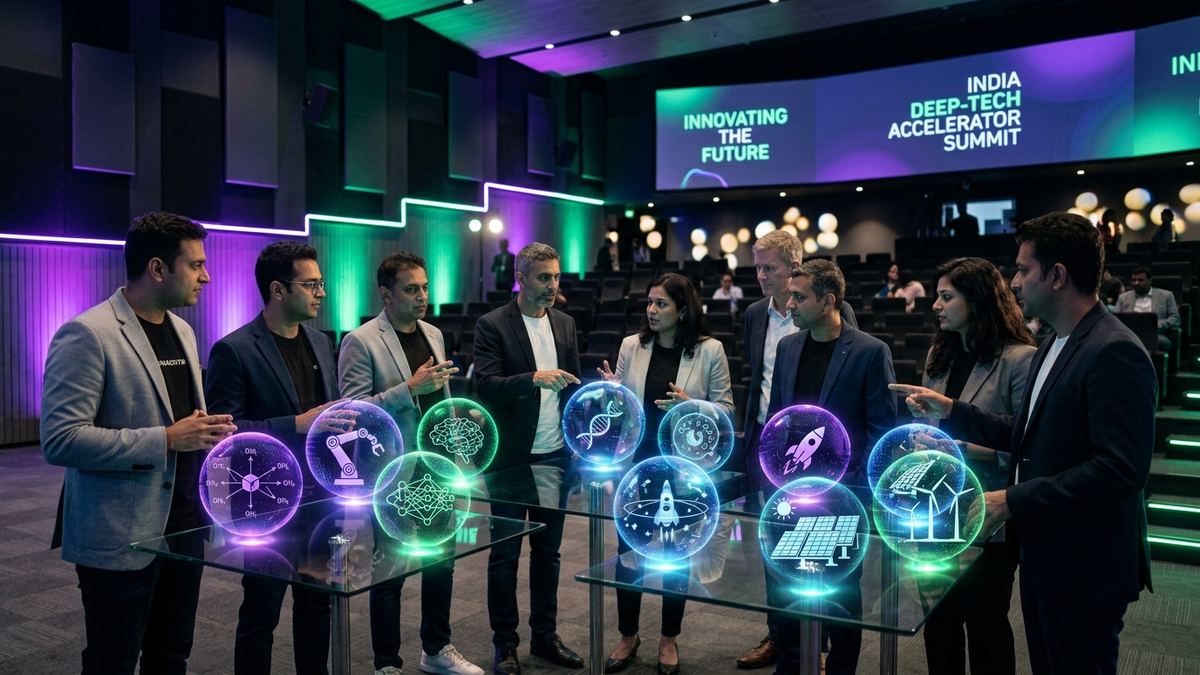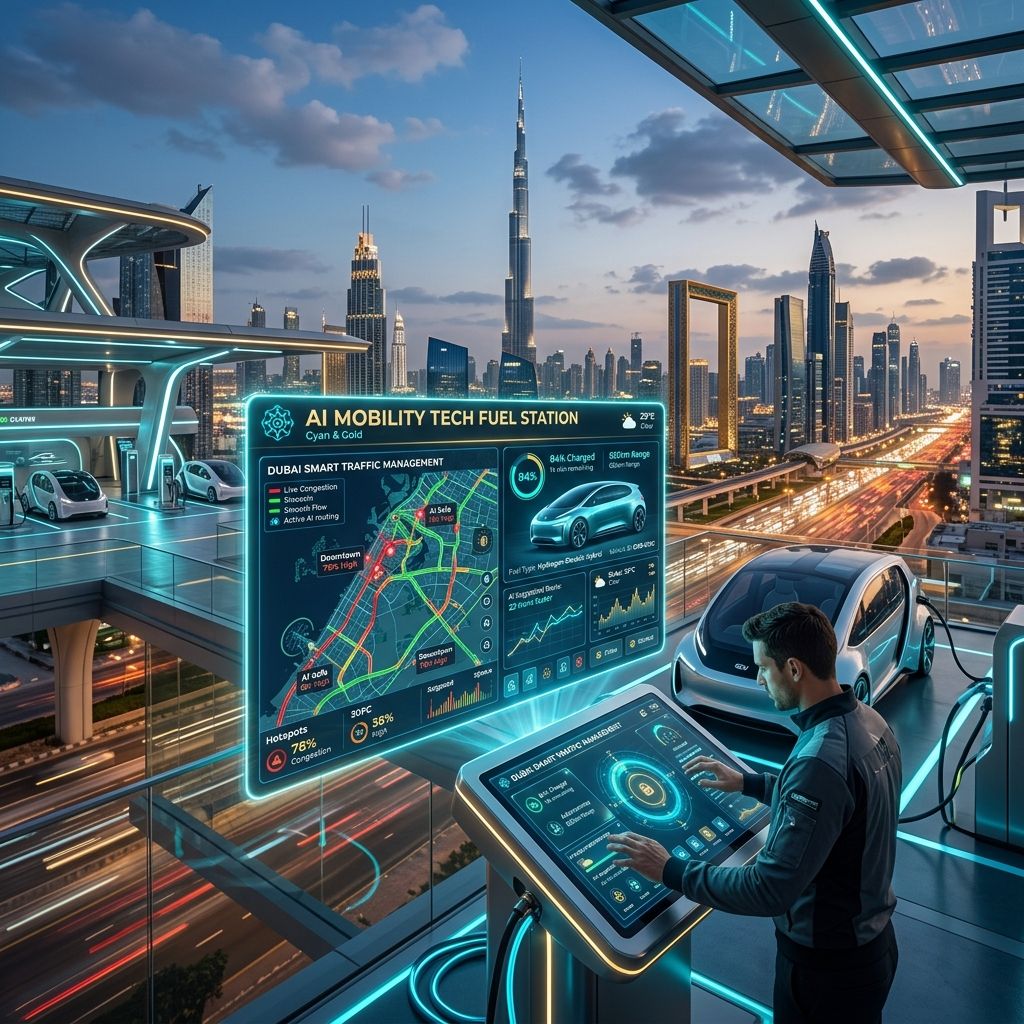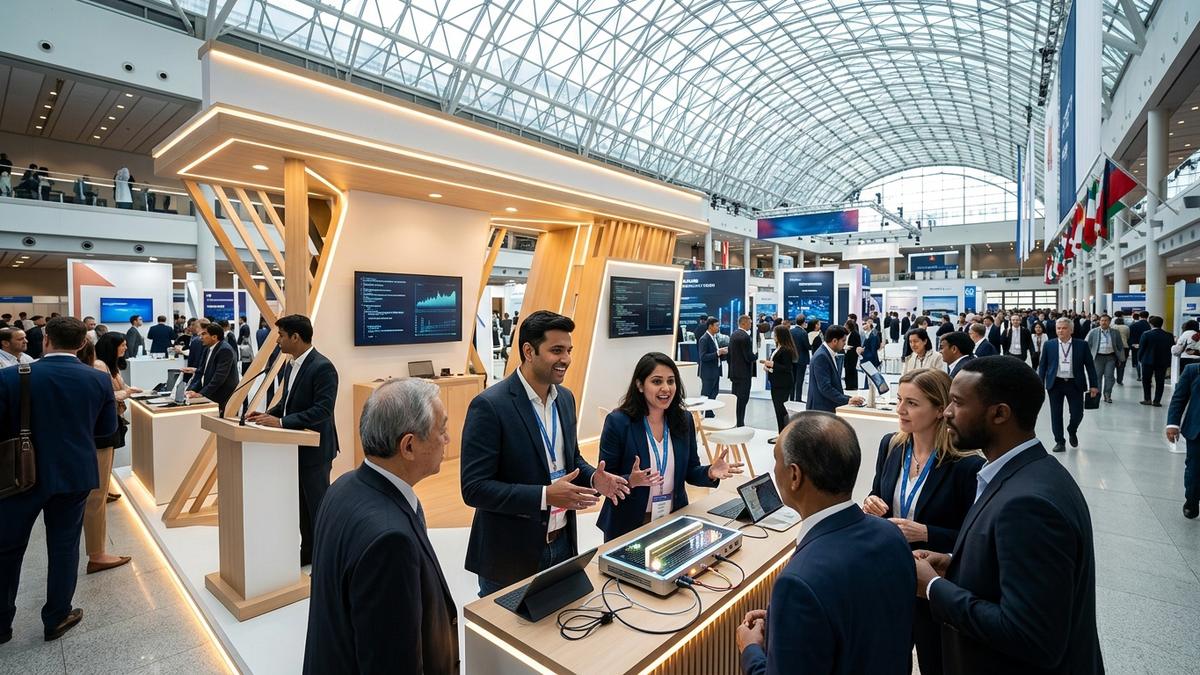
Commerce Minister Piyush Goyal urges Indian startups to expand internationally, pledging government facilitation for global trade expos and market entry.
Executive Key Takeaways
- Union Minister Piyush Goyal announced expanded central government backing to help homegrown Indian startups establish footprints in international markets.
- The Department for Promotion of Industry and Internal Trade (DPIIT) will fund and organize dedicated Indian pavilions at premier tech summits across Europe, North America, the Middle East, and Asia.
- The strategic initiative aims to transform India from a service contracting hub into a net exporter of high-value software products, industrial automation, and deeptech solutions.
Union Minister of Commerce and Industry Piyush Goyal has issued a direct mandate to Indian startups, urging homegrown founders to expand overseas and capture international market share. Addressing industry stakeholders, venture capitalists, and entrepreneurs in New Delhi, the minister announced expanded central government backing—including dedicated Indian national pavilions at premier international trade exhibitions, streamlined bilateral market entry programs, and institutional export facilitation.
The minister emphasized that while India's domestic consumption market of 1.4 billion citizens provides an exceptional initial proving ground, the ultimate measure of Indian technological strength lies in building products that win in Tokyo, Munich, San Francisco, London, and Riyadh.
The Strategic Mandate: From Domestic Proving Grounds to Global Dominance
Over the past decade, the Startup India initiative successfully built the world's third-largest startup ecosystem, boasting over 120,000 recognized entities. However, the majority of early venture capital was directed toward domestic-focused consumer platforms with limited cross-border exportability.
Minister Goyal highlighted that true economic resilience requires expanding foreign exchange revenues through intellectual property and product exports:
- Showcasing at Tier-1 Global Expos: Organizing unified India Pavilions at flagship global events including CES Las Vegas, Hannover Messe, Web Summit Lisbon, GITEX Global Dubai, and Mobile World Congress Barcelona.
- Subsidized Exhibition Infrastructure: Department for Promotion of Industry and Internal Trade (DPIIT) and the India Trade Promotion Organisation (ITPO) will cover substantial booth rental and logistics costs for curated high-potential startups.
- Targeted Investor Matchmaking: Arranging structured meetings between Indian founders and sovereign wealth funds, corporate venture arms, and international enterprise buyers.
- Bilateral Regulatory Harmonization: Leveraging bilateral Free Trade Agreements (FTAs) to fast-track overseas patent filings, data compliance, and foreign corporate registrations.
"Our startups have proven their mettle by solving complex problems at Indian scale and Indian price points,"stated Minister Piyush Goyal. "The world is eager for resilient, cost-effective, high-quality technology. The Government of India will stand firmly behind every entrepreneur willing to take their business global."
Prioritized Trade Corridors and Vertical Alignments
The global expansion blueprint prioritizes key geographical regions aligned with specific Indian sectoral competencies. Rather than a blanket approach, DPIIT is tailoring bilateral roadshows to match foreign enterprise demand:
The table below outlines the strategic trade corridors, focus sectors, and government facilitation mechanisms:
| Target Geography | Core Startup Sectors | Government Facilitation Mechanism | Strategic Advantage |
|---|---|---|---|
| North America (US & Canada) | Enterprise SaaS, AI Tools, HealthTech | Tech consulates, B2B procurement delegations | High ACV enterprise contracts & tech talent exchange |
| Middle East & GCC (UAE & KSA) | FinTech, AgriTech, Logistics & GovTech | Fast-track business licensing, bilateral CEPA pacts | Direct sovereign wealth capital & rapid digital adoption |
| Western Europe (Germany & UK) | CleanTech, EV Mobility, Industrial IoT | Hannover Messe India Pavilion & green trade corridors | Manufacturing supply chain integration |
| Southeast Asia & Japan | Smart Cities, Robotics, Embedded Electronics | JETRO bilateral partnerships & ASEAN trade desks | Hardware co-development & supply chain redundancy |
Overcoming Cross-Border Hurdles for Indian Startups
Historically, Indian startups attempting overseas expansion faced significant friction: steep exhibition costs, difficulty establishing commercial credibility with foreign procurement heads, and complex international tax structures.
The Commerce Ministry's structured pavilion model directly addresses these pain points. By presenting startups under an official, prestigious "Make in India / Startup India" banner, early-stage ventures gain instant institutional credibility that would take years to build independently.
Furthermore, DPIIT is collaborating with the Reserve Bank of India (RBI) and the Ministry of External Affairs to simplify cross-border payment settlements and streamline outward overseas direct investment (ODI) regulations for Indian parent entities setting up global operating subsidiaries.
Transitioning from Service BPOs to Product Exporters
India's traditional IT services sector built a world-renowned $250 billion industry by providing offshore engineering talent. However, the future of India's digital economy hinges on product IP and proprietary platforms that command high gross margins.
By actively underwriting the global commercialization journey of homegrown tech ventures, the government is accelerating this vital structural transition. With proactive trade diplomacy, financial underwriting for international expos, and dedicated pavilion showcases, Indian startups are well-equipped to build enduring, globally dominant enterprises.
Frequently Asked Questions
What initiatives did Commerce Minister Piyush Goyal announce for Indian startups expanding globally?
Minister Piyush Goyal announced subsidized access and dedicated state-backed Indian pavilions at major global trade exhibitions, bilateral tech corridors with trade partners, and streamlined cross-border regulatory assistance.
Which international trade regions are prioritized under this expansion push?
Priority target corridors include North America, Western Europe, the United Arab Emirates and Saudi Arabia (GCC region), and key Southeast Asian economic hubs like Singapore and Japan.
How will DPIIT facilitate startup participation in international expos?
DPIIT and the India Trade Promotion Organisation (ITPO) will underwrite exhibition floor costs, curate startup cohorts for foreign investor pitch sessions, and arrange high-level B2B matchmaking meetings.
Why is expanding internationally essential for Indian venture-backed startups?
International expansion allows startups to diversify revenues, tap higher customer willingness-to-pay in developed markets, earn foreign exchange, and benchmark product quality against global tier-1 competitors.
Primary Sources & Official References
- Ministry of Commerce & Industry, Government of India: Official Press Information Bureau (PIB) Communiqué
- Department for Promotion of Industry and Internal Trade (DPIIT): Startup India Global Trade & Exhibition Directives
- India Trade Promotion Organisation (ITPO): International Pavilion Coordination Disclosures
- Federation of Indian Chambers of Commerce & Industry (FICCI): Cross-Border Tech Export Review