IN-SPACe awards ₹67 crore in deeptech grants to four space startups to develop indigenous satellite propulsion, NavIC chips, and Earth observation architectures.
Executive Key Takeaways
- IN-SPACe has committed ₹67 crore to four Indian space startups to accelerate high-risk indigenous aerospace technology commercialization.
- The funding targets critical space infrastructure, including iodine satellite electric propulsion, high-thrust rocket engines, and domestic NavIC navigation chips.
- The initiative bridges Technology Readiness Level (TRL) gaps under the Technology Adoption Fund (TAF) to de-risk commercial private space missions.
The Indian National Space Promotion and Authorisation Centre (IN-SPACe), the nodal space sector regulator under the Department of Space, has approved a substantial ₹67 crore financial backing package for four emerging domestic space technology startups. Sanctioned under the auspices of IN-SPACe's Technology Adoption Fund (TAF) and advanced deeptech seed frameworks, the capital is engineered to de-risk the development of critical indigenous spaceflight subsystems, moving early laboratory prototypes to orbital flight-readiness.
The funding deployment directly targets longstanding strategic bottlenecks across India's private space supply chain. Rather than subsidizing routine business operations, the grant capital is exclusively ring-fenced to build high-barrier hardware: iodine-powered satellite electric propulsion thrusters, high-thrust bipropellant rocket engines, dual-frequency NavIC-compatible navigation silicon, and space-qualified edge AI payload computers.
Overcoming the SpaceTech Valley of Death: The TAF Framework
Building space hardware is characterized by extreme capital intensity, unforgiving physics, and lengthy development lifecycles. Early-stage space startups frequently run out of private venture capital while navigating the treacherous "Valley of Death"—the transition from Technology Readiness Level 4 (laboratory proof-of-concept) to Technology Readiness Level 7 (space-environment flight qualification).
To resolve this structural market failure, IN-SPACe established the Technology Adoption Fund (TAF) with an overall corpus of ₹500 crore. Under the TAF framework:
- Non-Dilutive Co-Financing: IN-SPACe contributes up to 60% of verified research, prototyping, and qualification testing costs, capped at ₹25 crore per initiative, allowing founders to maintain clean equity structures.
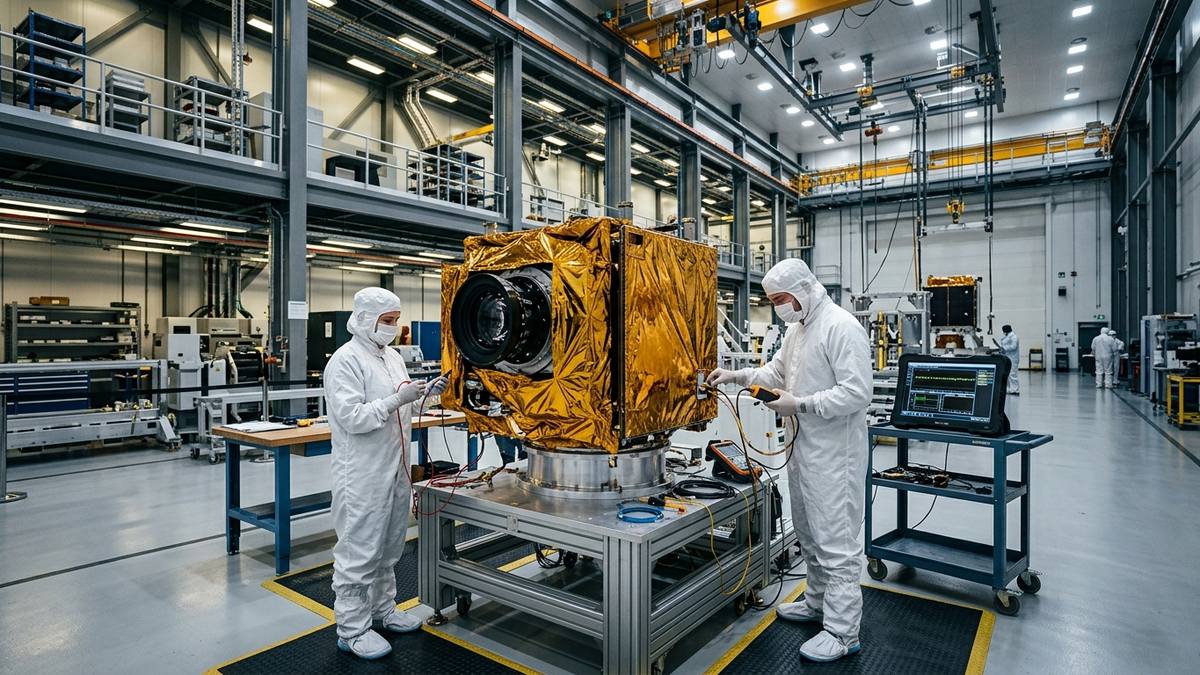
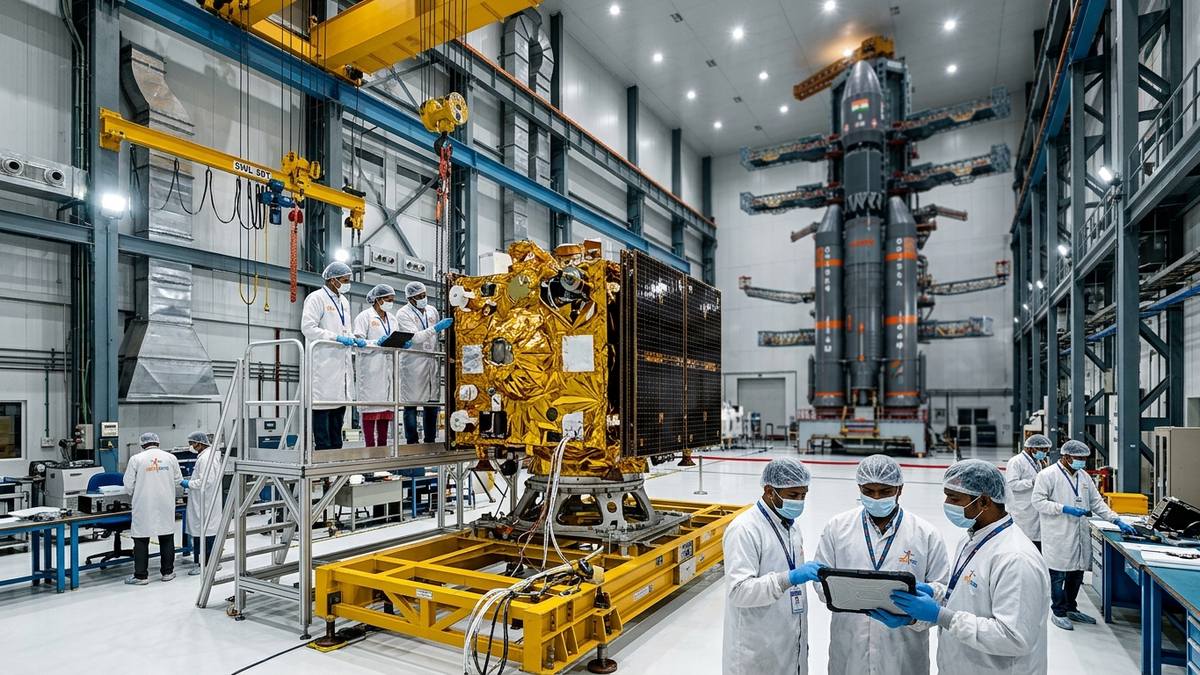
- ISRO Facility Access: Beneficiary startups gain prioritized, subsidized access to ISRO's world-class testing infrastructure, including thermal vacuum chambers, acoustic vibration rigs at ISITE Bengaluru, and static rocket test stands in Mahendragiri.
- Milestone-Linked Tranches: Capital disbursement is tied strictly to rigorous technical milestones verified by senior ISRO scientists and independent aerospace technical evaluation committees.
"India's private space industry cannot establish global cost and technology leadership solely through launch aggregations; we must own the high-precision propulsion systems, atomic clock receivers, and flight computers that operate satellites in orbit,"remarked senior IN-SPACe officials during the announcement. "This ₹67 crore package ensures domestic startups transition from conceptual engineering to space-proven orbital flight."
This public-sector capital infusion coincides with broader international expansions by domestic space champions, exemplified by Pixxel launching its Pixxel Federal subsidiary in Washington D.C. and aligns with semiconductor engineering design expansions across Karnataka.
Strategic Hardware Focus: Four Pillars of Space Independence
The ₹67 crore allocation addresses four critical technology verticals that currently represent significant import burdens for Indian satellite operators:
1. Iodine-Fueled Satellite Electric Propulsion Thrusters
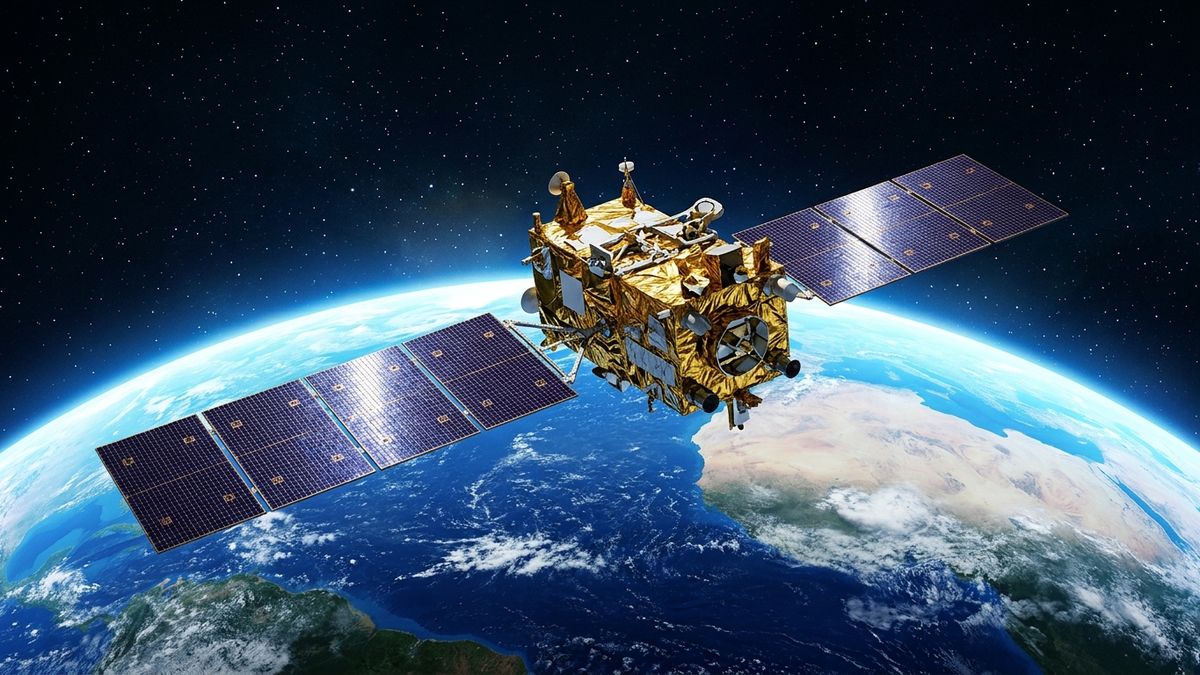
Conventional satellite electric propulsion relies on pressurized xenon gas, an exorbitantly expensive and scarce propellant requiring heavy, high-pressure titanium fuel tanks. The funded propulsion architecture utilizes solid iodine, which stores compactly without heavy pressure vessels and sublimates into plasma upon heating. This technology will allow Indian micro-satellites and constellation buses to execute orbital maintenance and collision-avoidance maneuvers with unprecedented mass efficiency.
2. High-Thrust Bipropellant Rocket Engines
Private small-satellite launch vehicle (SSLV) builders require high-efficiency, restartable upper-stage engines for precise orbital insertion and rideshare payload deployment. The funding supports the additive manufacturing (3D printing) of specialized copper-alloy combustion chambers and automated turbopumps operating on green, semi-cryogenic propellant formulations.
3. Indigenous Dual-Frequency NavIC Navigation Silicon
Spacecraft guidance, navigation, and control (GNC) requires sub-meter orbital positioning. The initiative funds the tape-out of custom application-specific integrated circuits (ASICs) capable of simultaneously processing signals from India's indigenous NavIC constellation (L5 and S bands) and global GPS frequencies, providing hardened, jam-resistant orbital telemetry.
4. Edge AI Microprocessors for Real-Time Earth Observation
Processing massive multi-gigabyte hyperspectral satellite imagery onboard satellites before downlinking saves critical radio frequency bandwidth. The grant backs radiation-tolerant onboard edge computing platforms that run localized neural networks to detect forest fires, maritime incursions, and oil slicks in real time.
IN-SPACe DeepTech Funding Allocation Breakdown
The structured matrix below outlines the technology domains, funding allocations, and operational deliverables supported under the ₹67 crore package:
| Technology Subsystem | Core Innovation Focus | Allocated Capital | Primary Technical Objective | Strategic Ecosystem Impact |
|---|---|---|---|---|
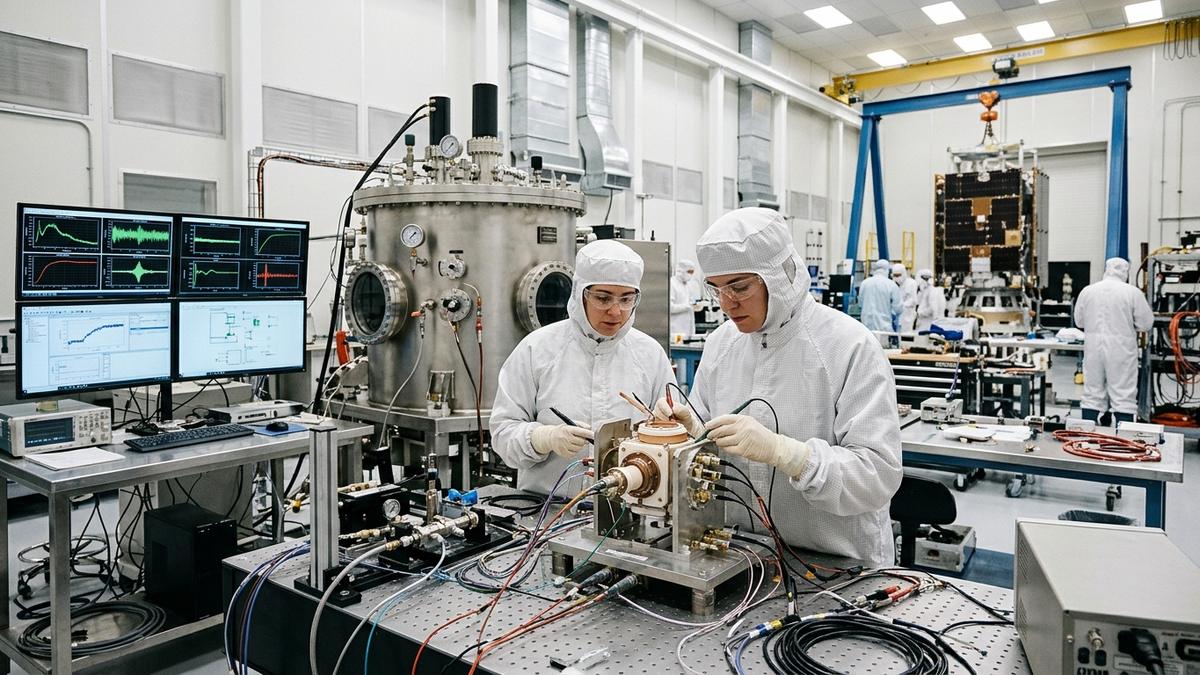
| Electric Propulsion | Solid-iodine Hall-effect thrusters | ₹21.5 crore | Vacuum chamber hot-fire & orbital qualification | 70% reduction in satellite propellant storage mass |
| Launch Vehicle Propulsion | 3D-printed semi-cryogenic engines | ₹18.0 crore | Multi-restart upper-stage hot-fire trials | High-precision orbital payload injection for SSLVs |
| Navigation Semiconductor | Dual-frequency NavIC/GPS ASICs | ₹15.5 crore | Multi-project wafer (MPW) silicon tape-out | Sovereign, jam-resistant spacecraft GNC electronics |
| Orbital Edge AI Compute | Radiation-hardened neural accelerators | ₹12.0 crore | In-orbit data compression and edge inference | 85% downlink bandwidth savings for Earth observation |
Catalyzing India's NewSpace Industrial Corridor
The financial commitment from IN-SPACe represents an indispensable step toward realizing India's target of capturing 8% to 10% of the $540 billion global space economy by 2033. By developing sovereign space hardware domestically, Indian NewSpace ventures can offer competitive, end-to-end turnkey satellite manufacturing and launch services to international commercial constellation operators across Europe, Southeast Asia, and the Americas.
Furthermore, this technological development feeds directly into advanced precision engineering networks, closely complementing private manufacturing scaling like Venttup raising $3 million for AI-powered precision aerospace manufacturing and industrial robotics hubs such as Uttar Pradesh's PRAGATI advanced automation park.
Long-Term Trajectory: Toward Commercial Spaceflight Self-Reliance
As the four recipient startups commence comprehensive environmental and flight-qualification testing at ISRO test facilities over the next 12 to 18 months, India's private space industrial base is proving that state institutional capital, when deployed with commercial discipline, can produce high-margin, flight-proven aerospace deeptech.
By anchoring high-risk hardware innovation in domestic engineering excellence, IN-SPACe is ensuring that India's commercial spaceflight ecosystem possesses the sovereign technological depth required to lead the next century of orbital commerce.
Frequently Asked Questions
What is the purpose of the ₹67 crore grant package approved by IN-SPACe?
The funding package is structured to help four early-stage Indian space tech startups advance critical indigenous hardware—including satellite propulsion, avionics, and navigation semiconductors—from laboratory prototypes into commercially viable, flight-tested space systems.
What technologies are being developed under this IN-SPACe funding window?
Key funded innovations include iodine-based Hall-effect satellite propulsion thrusters, high-thrust bipropellant rocket engines, indigenous semiconductor baseband chips compatible with India's NavIC constellation, and onboard edge AI processing engines for satellites.
How does the Technology Adoption Fund (TAF) operate?
Managed by IN-SPACe with an overall ₹500 crore corpus, TAF provides non-dilutive financial assistance covering up to 60% of research and development project costs (capped at ₹25 crore per project) for qualified Indian startups and MSMEs.
Why is developing domestic space propulsion and semiconductor hardware critical for India?
Indigenous propulsion and satellite chipsets reduce India's reliance on foreign aerospace imports, insulate domestic launch operators from export control restrictions (such as ITAR), and drastically lower the operational costs of private constellation launches.
Primary Sources & Official References
- Indian National Space Promotion and Authorisation Centre (IN-SPACe): Technology Adoption Fund (TAF) Guidelines & Grant Disclosures
- Department of Space (Govt. of India): Indian Space Policy 2023 & Non-Government Entity (NGE) Roadmap
- Indian Space Research Organisation (ISRO): Annual Report & Private Space Sector Integration Telemetry
- IN-SPACe Technical Evaluation Committee: Aerospace Seed Funding & Flight Qualification Approvals