TakeMe2Space Targets Orbital AI Computing with MOI-1A Satellite Launch on SpaceX: Processing Edge Intelligence in Space
By Rohan Varma | Published September 29, 2026 | 8 min read
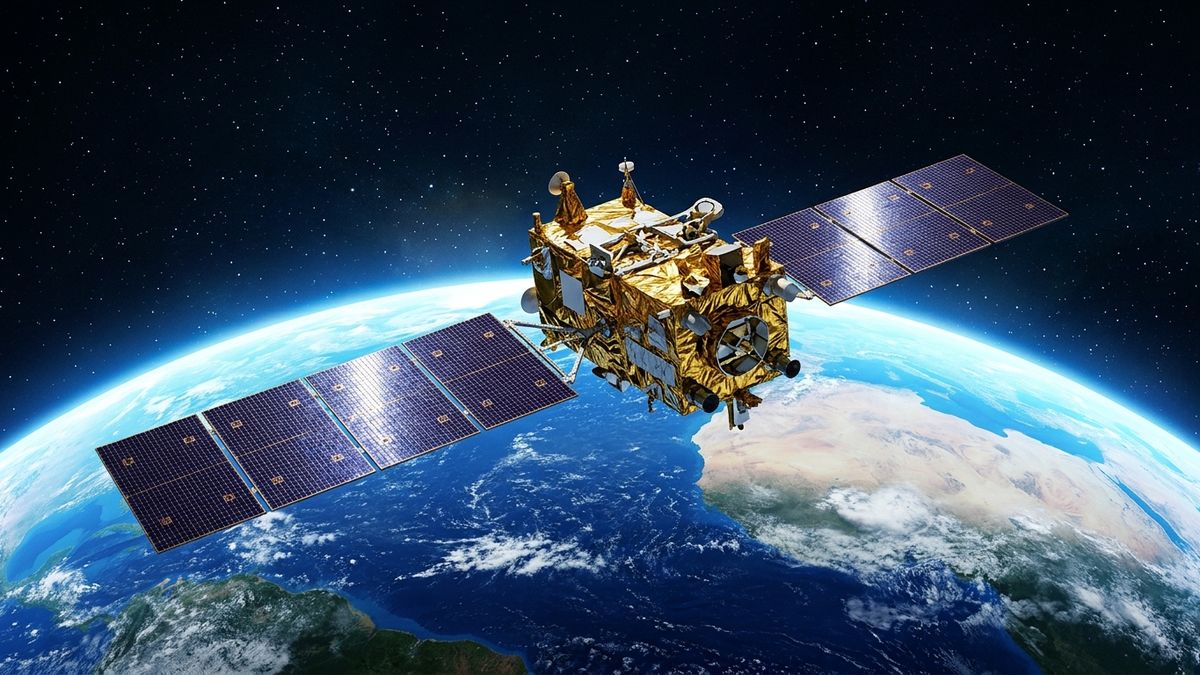
Indian spacetech startup TakeMe2Space readies MOI-1A satellite for SpaceX launch, deploying onboard neural processors to execute real-time edge AI in low Earth orbit.
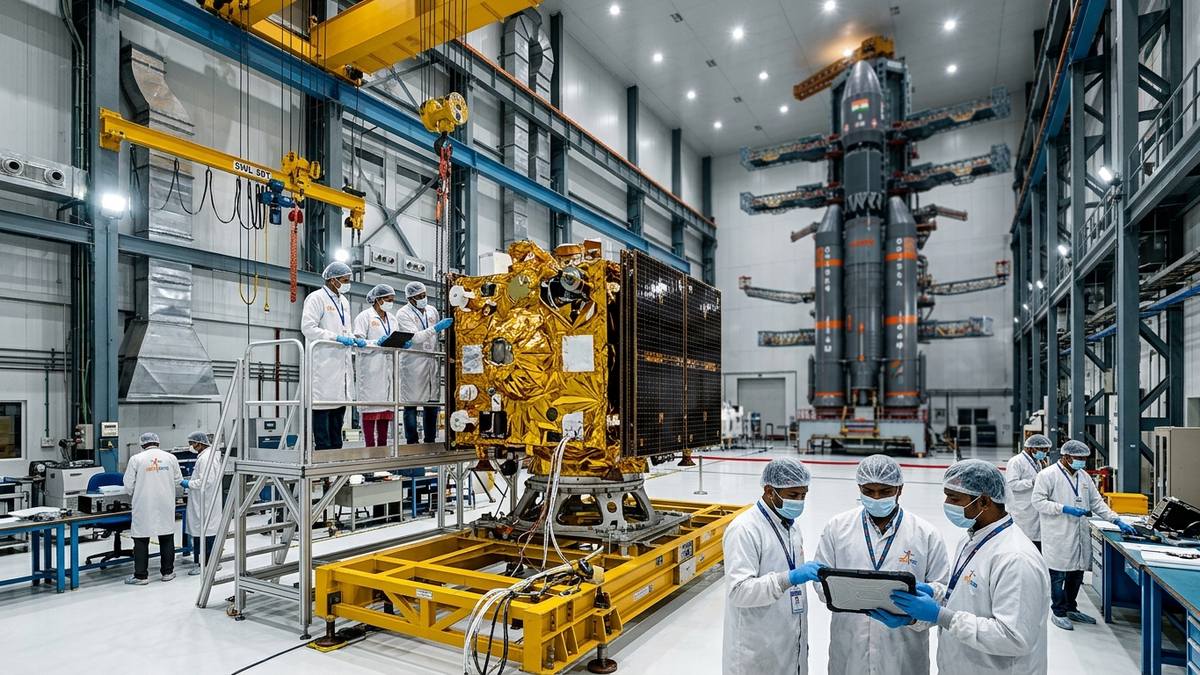
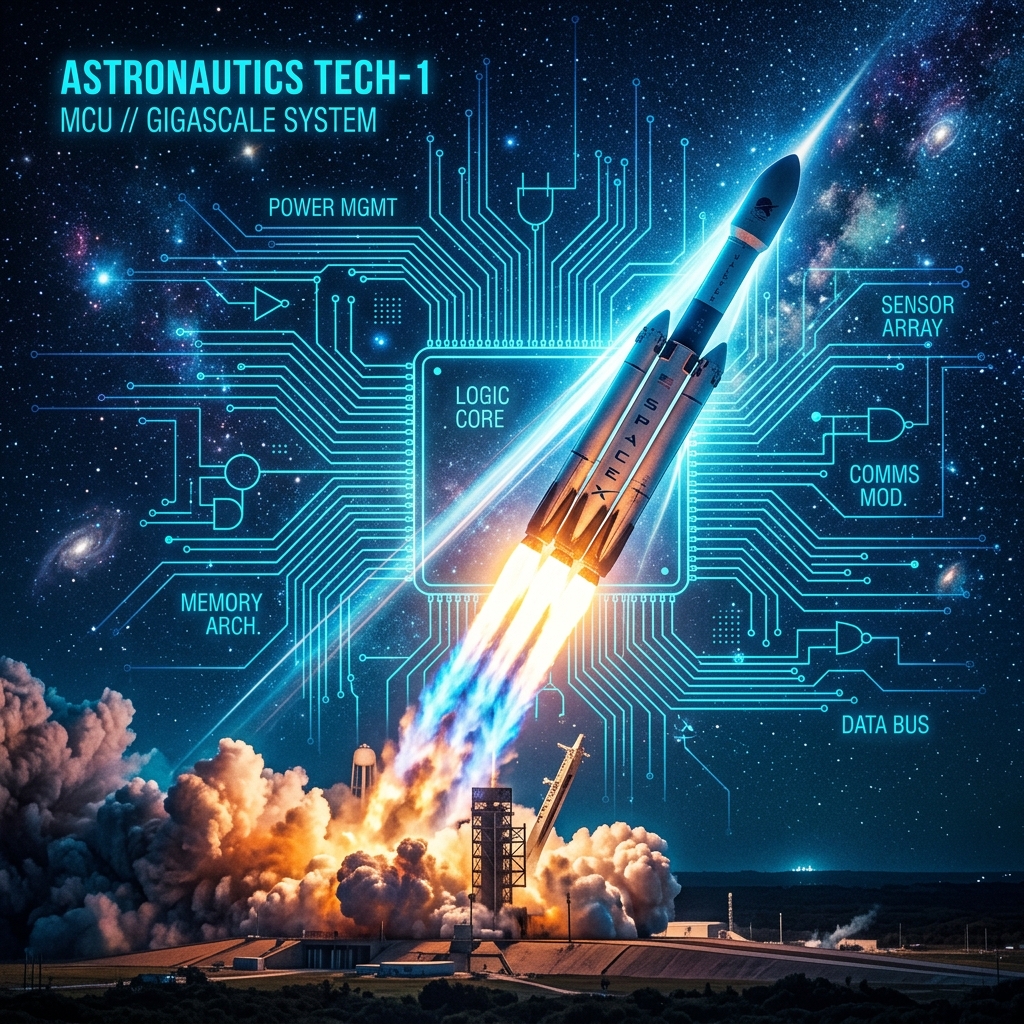
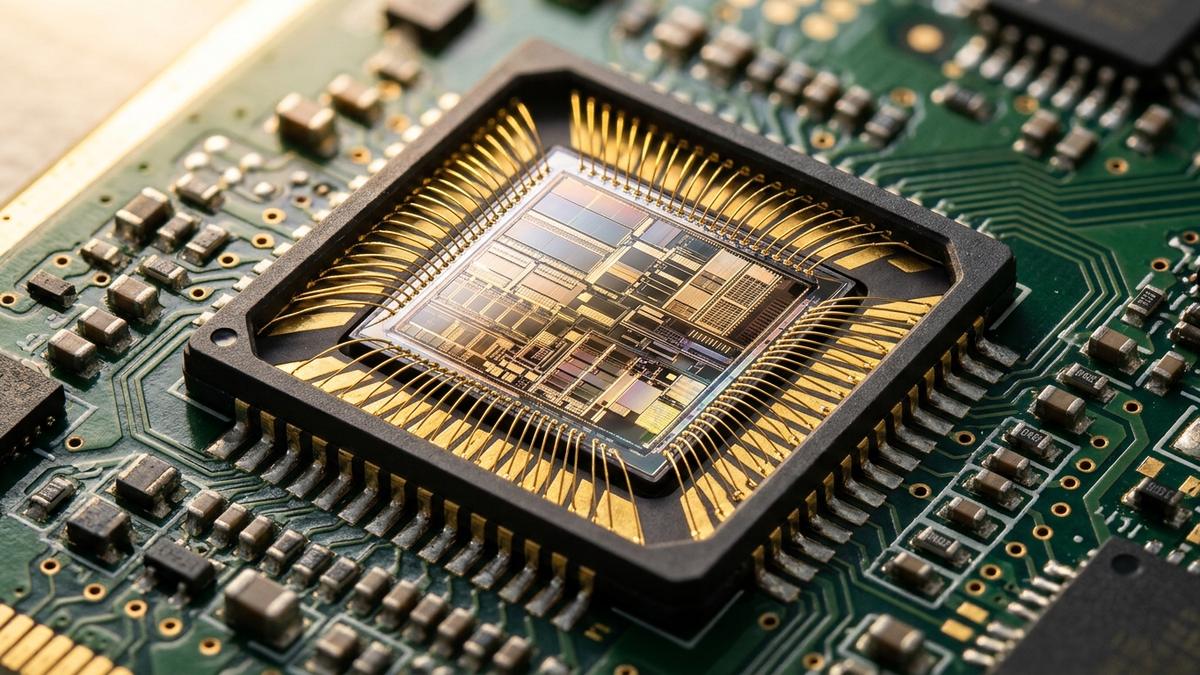
Indian spacetech pioneer TakeMe2Space is finalizing flight readiness for its flagship MOI-1A satellite, scheduled to launch into low Earth orbit (LEO) aboard a SpaceX Falcon 9 Transporter mission. The milestone represents an audacious architectural breakthrough for the commercial space sector: rather than operating as a passive sensory camera that dumps massive raw data files down to terrestrial ground stations, MOI-1A carries a radiation-tolerant edge AI computing engine capable of executing complex neural computer vision inference directly in the vacuum of space.
By processing multispectral and optical sensor data in orbit, TakeMe2Space aims to eradicate the single greatest operational bottleneck that has plagued the commercial satellite observation industry for decades: the crippling latency and bandwidth constraints of satellite-to-ground communication links.
The mission positions India at the frontier of "Orbital Edge Computing," transforming orbiting hardware from simple remote sensors into active, decentralized cloud compute nodes.
The Downlink Bottleneck: Why Traditional Earth Observation Fails Real-Time Needs
For sixty years, the operational paradigm of Earth observation (EO) satellites has remained essentially unchanged: an optical sensor captures imagery, digitizes the raw pixels, writes them to onboard solid-state storage, and waits until the satellite passes over a geographically fixed ground station antenna to initiate a downlink pass via radio frequency (RF) or optical laser transmitters.
This legacy workflow suffers from severe systemic limitations:
1. Brief Ground Station Passes: In typical 500km Sun-Synchronous Orbits (SSO), a satellite passes over any specific ground station antenna for only 8 to 12 minutes per orbit.
2. The Cloud Cover Penalty: Statistically, between 60% and 70% of optical satellite imagery captured globally is obscured by cloud cover. Under traditional architectures, satellites waste precious battery power and RF downlink bandwidth beaming gigabytes of unusable, cloud-covered pixels down to Earth.
3. Multi-Hour Latency: In mission-critical scenarios—such as naval intercept operations, forest wildfire propagation, flash flood emergencies, or missile defense tracking—waiting 3 to 6 hours for raw data to downlink, process on cloud servers, and alert decision-makers is unacceptably slow.
TakeMe2Space's MOI-1A satellite inverts this pipeline. By running lightweight, optimized convolutional neural networks (CNNs) and transformer models on an onboard neural processing unit (NPU), the satellite analyzes optical frames within milliseconds of sensor capture.
"Data has gravity, and transferring terabytes of raw pixels through thin atmospheric radio links is inherently inefficient,"stated TakeMe2Space's engineering leadership. "By moving the intelligence layer into orbit, we compress raw sensor feeds into pure, actionable metadata. We don't need to downlink an entire ocean image to tell a coast guard where an unauthorized ship is located; we only need to transmit four GPS coordinates."
Orbital Architecture: MOI-1A Technical Specifications
The engineering architecture of MOI-1A combines high-efficiency edge silicon, thermal radiation management, and an open application environment:
| Subsystem Component | Technical Specification | Operational Mission Role |
|---|---|---|
| Payload Form Factor | Modular 3U/6U CubeSat configuration | Low-cost deployment via commercial Falcon 9 rideshare |
| Onboard AI Engine | Multi-Core Edge NPU (8–16 INT8 TOPS) | Real-time computer vision inference under 10W power budget |
| Optical Imager | High-resolution multispectral sensor (Sub-3m GSD) | Precision Earth surface imaging across RGB & Near-Infrared |
| Radiation Mitigation | Latch-up protection, watchdog circuits, error-correcting memory | Resisting single-event upsets (SEUs) from cosmic radiation |
| Downlink Bandwidth Savings | Greater than 90% data reduction | Filtering clouds and redundant static frames prior to transmission |
| API Architecture | Containerized microservices (OrbitOS) | Enabling third-party developers to upload custom AI models |
The Developer Ecosystem in Orbit
A central innovation of TakeMe2Space's platform is its software-defined payload architecture. Traditionally, satellites are closed, monolithic hardware boxes whose operational software cannot be modified post-launch.
MOI-1A incorporates an open containerized execution framework. Third-party developers, defense researchers, environmental agencies, and fintech analytics firms can build, test, and containerize computer vision algorithms on Earth using standard frameworks like PyTorch or ONNX, and upload them via satellite command uplinks directly to MOI-1A while it is in orbit.
A defense analyst can deploy a ship-detection model for a 48-hour exercise over the Indo-Pacific, an agricultural ministry can run crop drought index models over Punjab during harvest season, and an insurance syndicate can execute flood inundation analytics over disaster zones—all on the same physical orbital asset.
To understand the broader surge of venture capital into Indian spacetech, commercial propulsion, and quantum communications, see our analysis on /post/indias-deep-tech-funding-momentum-builds-space-quantum-batteries.
Synergies with Sovereign Quantum and Space Missions
TakeMe2Space's orbital AI push intersects directly with India's expanding space commercialization policies orchestrated by IN-SPACe and the Indian Space Research Organisation (ISRO). The liberalization of the space sector has enabled private startups to transition from subcontracting mechanical components to launching sovereign-grade computational payloads.
Furthermore, processing data on-orbit reduces the attack surface for electronic eavesdropping and signal jamming. Combined with emerging quantum cryptographic standards being developed domestically by pioneers like QNu Labs (detailed in /post/qnu-labs-raises-200-cr-quantum-security), edge intelligence in space lays the foundation for unhackable, real-time sovereign defense communications.
Commercial Horizon for Orbital Edge AI
Following the SpaceX Falcon 9 launch, TakeMe2Space will initiate in-orbit commissioning, validating power draw during sunlit phases, thermal dissipation through passive heat sinks in the space vacuum, and neural inference accuracy against ground truth datasets.
As low-cost launch vehicles democratize access to low Earth orbit, constellations of intelligent satellites like MOI-1A will form an orbital mesh compute network—sensing, analyzing, and acting upon planetary-scale changes in true real time.
Frequently Asked Questions
What is the MOI-1A satellite and what is its mission?
MOI-1A is an advanced commercial satellite developed by Indian spacetech venture TakeMe2Space. Its primary mission is to demonstrate real-time orbital edge AI computing by running deep learning computer vision models directly on captured satellite sensor data in space.
How does TakeMe2Space's orbital AI solve the satellite downlink problem?
Traditional Earth observation satellites capture massive gigabyte-scale raw imagery and must wait until they pass over designated ground stations to transmit data. Up to 70% of optical images are obscured by clouds. MOI-1A uses onboard AI to detect clouds, discard useless frames, and extract vector coordinates (e.g. ships, fires, crop stress), reducing downlink data volume by over 90%.
Which rocket is launching the MOI-1A satellite?
The MOI-1A satellite will be deployed into low Earth orbit (LEO) aboard a SpaceX Falcon 9 rocket as part of a dedicated Transporter rideshare mission.
What commercial applications benefit from orbital edge computing?
Key applications include real-time maritime vessel tracking, wildfire and natural disaster early warning, military defense reconnaissance, border surveillance, and agricultural crop monitoring—delivering operational alerts in minutes rather than hours.
Primary Sources & Official References
- TakeMe2Space Technical Mission Dossier: MOI-1A Payload Architecture & Orbital Edge Compute
- Indian National Space Promotion and Authorization Centre (IN-SPACe): Launch Authorization Registry
- SpaceX Commercial Rideshare Services: Transporter Mission Payload Manifest
- IEEE Aerospace and Electronic Systems Magazine: Spaceborne Neural Processing & Edge Intelligence