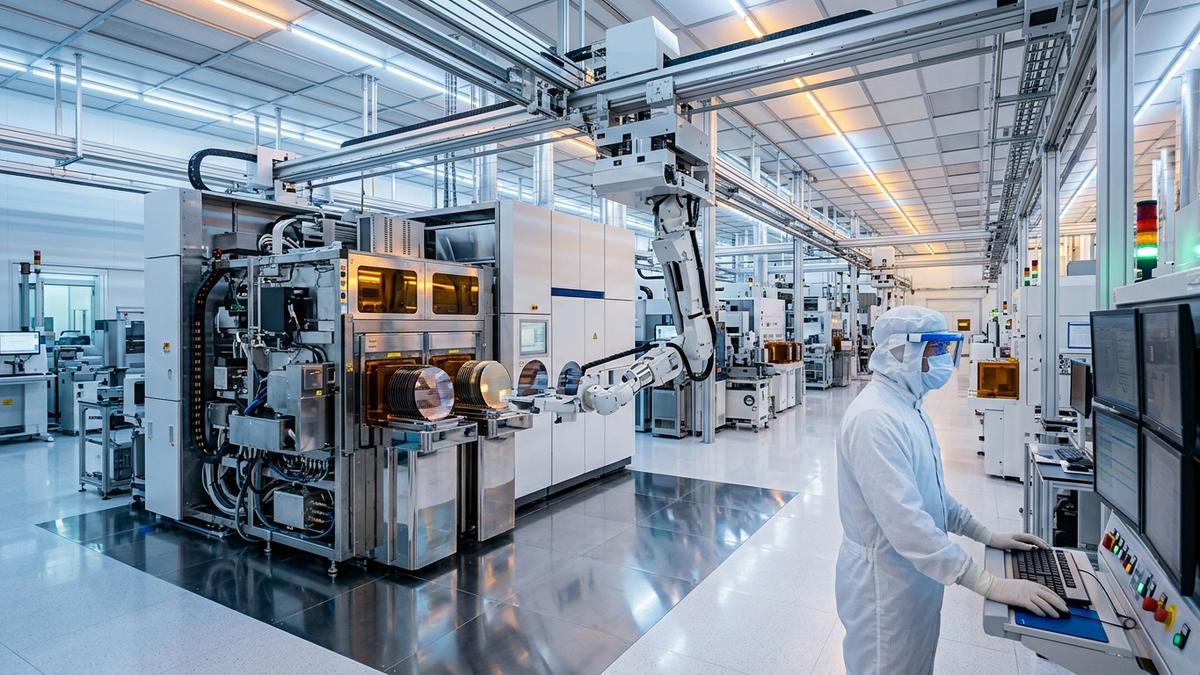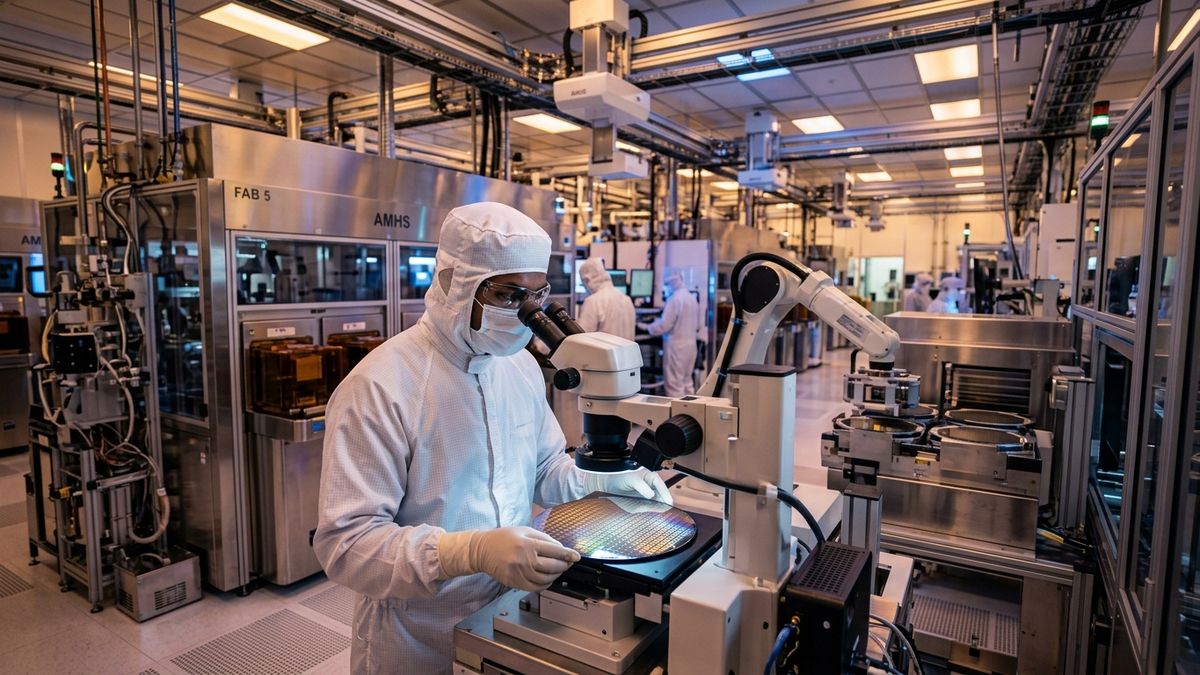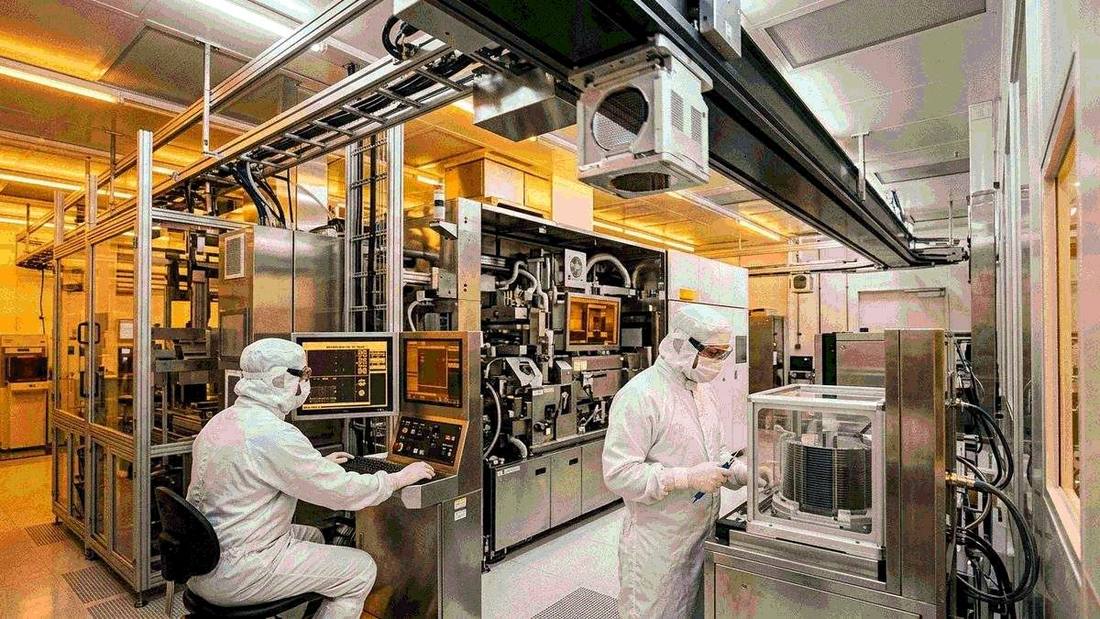
Under India Semiconductor Mission 2.0, the Tata Electronics Dholera commercial fab advances alongside fabless pioneers InCore and Mindgrove, establishing domestic RISC-V silicon independence.
Executive Key Takeaways
- Under India Semiconductor Mission 2.0, the Tata Electronics Dholera commercial fab advances alongside fabless pioneers InCore and Mindgrove, establishing domestic RISC-V silicon independence.
- Silicon sovereignty requires both physical foundries and proprietary intellectual property, noted microelectronics policy advisors. Dholera provides the physical manufacturing engine, while our fabless RISC-V pioneers provide the indigenous architectural brains.
- Key Benchmark: **Front-End Wafer Fabrication** — Nil (100% Import Dependent)
GANDHINAGAR & CHENNAI — India’s ambition to establish a sovereign, resilient microelectronics supply chain has entered its most critical operational phase under India Semiconductor Mission (ISM) 2.0. As civil construction and cleanroom infrastructure at the Tata Electronics mega-fab in Dholera, Gujarat progress rapidly toward cleanroom equipment installation, domestic fabless innovators including InCore Semiconductors and Mindgrove Technologies are validating indigenous RISC-V microprocessors for volume commercial commercialization.
ISM 2.0 expands the government’s initial ₹76,000 crore ($9.1 billion) incentive program to prioritize advanced packaging (OSAT/ATMP), compound semiconductors for electric vehicles and defense radar, and domestic design intellectual property (IP). By pairing sovereign wafer manufacturing capacity with open-standard RISC-V processor designs, India is actively mitigating geopolitical supply chain vulnerabilities while building a global export hub for specialized silicon.
This milestone follows closely on the heels of the chip design expansion detailed in Infineon Acquires Bengaluru Chip Startup C2i Semiconductors, the indigenous computing advances in Agrani Labs Eyes ₹475 Crore Funding for AI Chips, and the talent pipeline explored in Semicon 2.0 Targets 1 Lakh Semiconductor Engineers.
Infrastructure Update: Tata Dholera Fab and Assam OSAT Facility
The centerpiece of India’s commercial wafer fabrication remains the Tata Electronics–Powerchip Semiconductor Manufacturing Corporation (PSMC) partnership in Dholera:
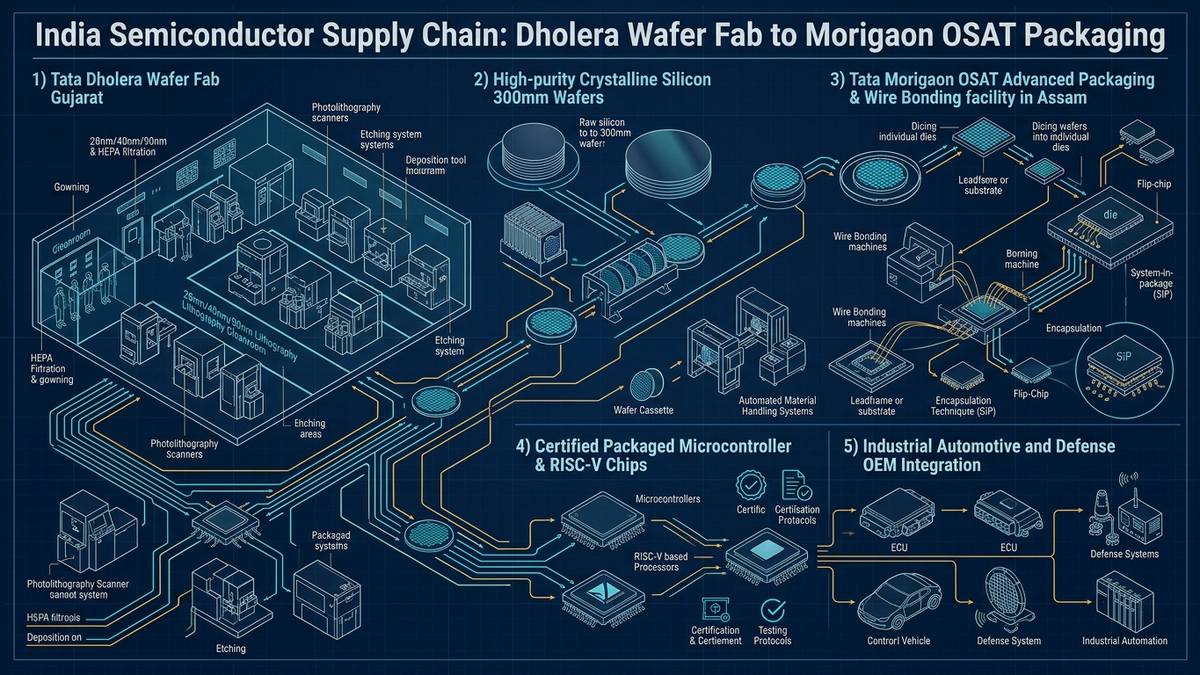
1. Dholera Fab Capacity: Designed to process up to 50,000 300mm wafer starts per month (WSPM), addressing mature node demands (28nm, 40nm, 90nm) across power management ICs, display drivers, and automotive microcontrollers.
2. Morigaon Packaging Hub: Tata’s ₹27,000 crore OSAT facility in Jagiroad, Assam provides indigenous flip-chip, wire-bond, and system-in-package (SiP) capabilities, ensuring wafers do not need to be exported to East Asia for back-end assembly.
"Silicon sovereignty requires both physical foundries and proprietary intellectual property,"noted microelectronics policy advisors. "Dholera provides the physical manufacturing engine, while our fabless RISC-V pioneers provide the indigenous architectural brains."
The RISC-V Revolution: InCore, Mindgrove, and Domestic Architectural Freedom
While legacy computing has been dominated by proprietary ARM and x86 architectures, Indian fabless startups are betting decisively on RISC-V—an open-standard instruction set architecture (ISA) that eliminates costly licensing royalties to foreign IP conglomerates:
- InCore Semiconductors (Chennai): Spun out of IIT Madras' Shakti processor program, InCore develops modular, configurable RISC-V processor cores tailored for automotive microcontrollers, industrial automation, and secure IoT devices.
- Mindgrove Technologies (Chennai): Pioneer of the SecureIoT system-on-chip (SoC), Mindgrove provides high-performance, cost-efficient microcontrollers operating at 70% lower bill-of-materials cost compared to imported competitors, gaining rapid traction across smart electric meters, connected mobility, and smart city infrastructure.
Comparative Analysis: India Semiconductor Capabilities Across the Value Chain
The matrix below illustrates India’s transition from an offshore chip design center to a full-stack semiconductor creator under ISM 2.0:
| Value Chain Pillar | Legacy India Presence (Pre-2022) | ISM 2.0 Execution (2026) | National Strategic Benefit |
|---|---|---|---|
| Front-End Wafer Fabrication | Nil (100% Import Dependent) | Tata-PSMC Dholera Commercial Fab (28–90nm) | Sovereign Silicon Supply Continuity |
| Back-End OSAT & Packaging | Negligible Domestic Capacity | Tata Assam & Micron Sanand ATMP Facilities | Local Testing & Reduced Export Friction |
| Processor Architecture | Proprietary Foreign Licensing (ARM/x86) | Indigenous Open-Standard RISC-V Cores | Royalty Freedom & Cryptographic Security |
| Design Talent Ecosystem | 20% of Global VLSI Engineers (Captive MNCs) | 1 Lakh Certified Engineers & Indigenous Startups | High-Value IP Ownership & Innovation |
| Government Co-Funding | Limited Fragmented Subsidies | 50% Fiscal Support on Capital Expenditure | Global Competitiveness vs. CHIPS Acts |
Outlook: Securing the Digital Foundation of Bharat
With major commercial tape-outs scheduled over the coming 18 to 24 months, India Semiconductor Mission 2.0 is proving that high-tech manufacturing is no longer beyond the subcontinent’s reach. By connecting domestic universities, private venture capital, global foundry veterans, and agile fabless innovators, India is systematically laying the silicon bedrock for its next trillion-dollar digital economy.