IndiaAI Mission Faces 15,000-GPU Deficit as Government Prepares Fresh Compute Procurement Bids
By Elena Rostova | Published October 2, 2026 | 8 min read
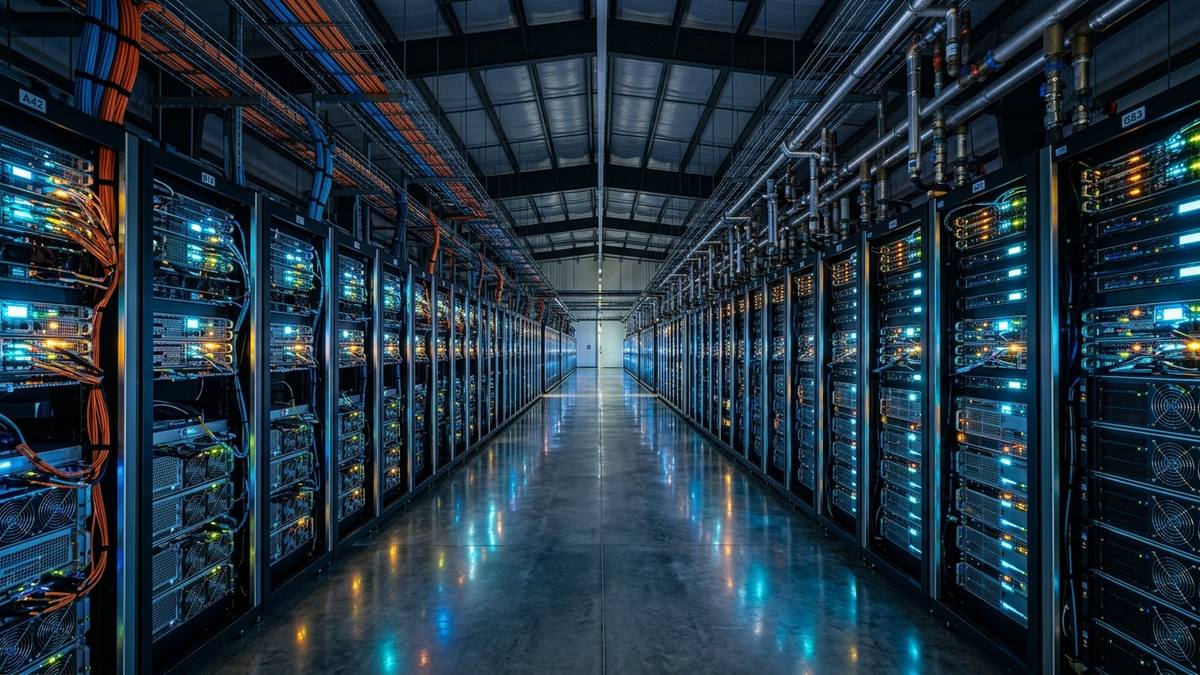
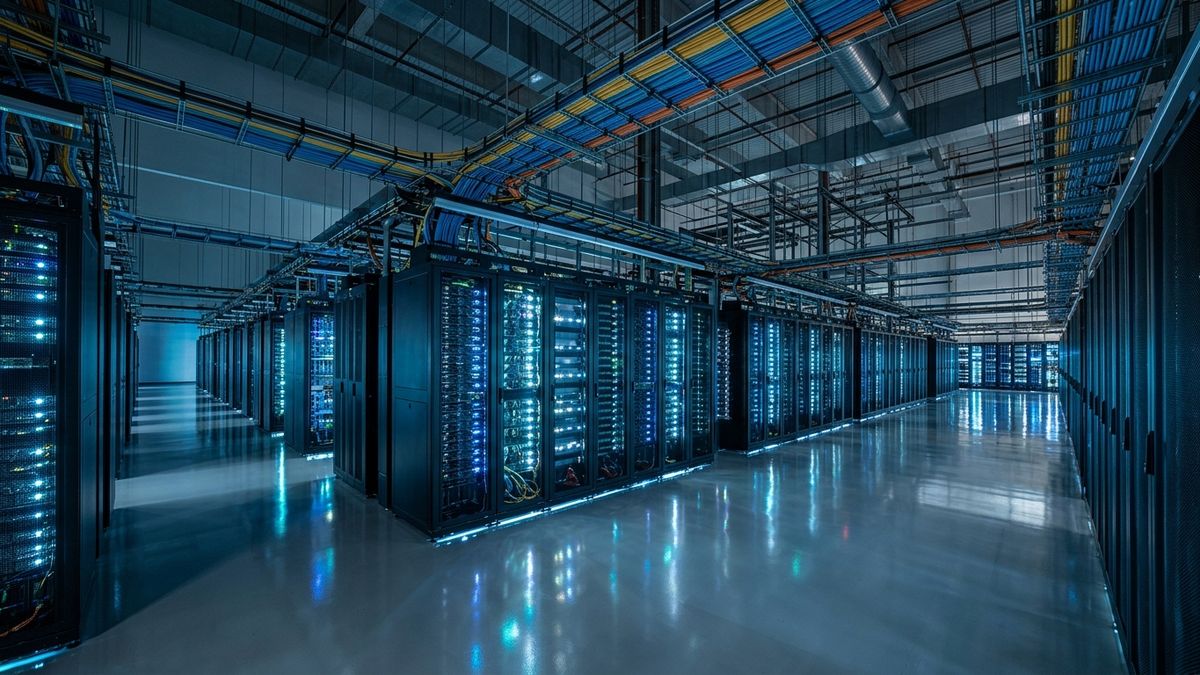
IndiaAI secures access to roughly 30,000 GPUs against its 45,000-accelerator mandate, prompting the government to explore fresh procurement tenders to bridge the high-demand compute deficit.
The Ministry of Electronics and Information Technology (MeitY) is preparing to initiate a fresh round of competitive bids after securing commitments for approximately 30,000 GPUs under the flagship IndiaAI Mission, falling roughly 15,000 accelerators short of its targeted 45,000-unit capacity. The compute allocation initiative represents the central pillar of India's Rs 10,372 crore sovereign AI strategy, designed to democratize high-performance compute access for domestic startups, university labs, and public research agencies.
While contracting 30,000 cutting-edge accelerators constitutes the largest coordinated public-private GPU procurement in Indian history, explosive domestic demand has left the infrastructure heavily oversubscribed. Startups working across generative models, physical robotics, and sovereign intelligence have submitted compute grant requests far outstripping the initial tranches, compelling policymakers to rapidly recalibrate tender guidelines to attract additional domestic and international cloud providers.
The Global Accelerator Bottleneck Meets Domestic AI Ambition
The deficit underscores the severe structural bottlenecks governing the worldwide artificial intelligence supply chain. Enterprise-grade accelerators, including NVIDIA's H100, H200, and newly shipping Blackwell B200 platforms, remain constrained by advanced packaging capacities at TSMC and intense hyperscaler capital expenditure.
In the initial procurement cycle, MeitY mandated stringent qualification requirements:
- Stringent Domestic Residency: Providers had to demonstrate certified data centre operations within Indian territorial borders to satisfy sovereign data compliance rules.
- Aggressive Subsidized Tariffs: Cloud service providers were asked to deliver heavily discounted compute hours, which the government subsidizes up to 50% for qualified innovators.
- Guaranteed High Uptime and Bandwidth: Stringent service-level agreements (SLAs) with low-latency InfiniBand interconnects required significant upfront capex by bidders.
While established data centre operators like Yotta Data Services, Tata Communications, and Reliance Jio committed substantial GPU capacity, several cloud vendors bid below their theoretical caps due to global hardware delivery delays. This compute dynamic mirrors decentralized state-level efforts, such as Gujarat's statewide GPU-as-a-service push, where state authorities have stepped in to subsidize localized compute clusters for regional university hubs.
IndiaAI Sovereign Compute Architecture
[ Startups / Labs ] --> [ IndiaAI Compute Portal ] --> [ Tier-1 GPU Empaneled Clouds ]
                              |                              |
                     [ 50% Govt Subsidy ]          [ 30k GPUs Active / 15k Fresh Tender ]
Comparative Metrics: IndiaAI Compute Deployment & Procurement Roadmap
To understand the strategic scale and allocation parameters of the IndiaAI Mission compute infrastructure, the breakdown below details the current capacity against upcoming tender targets:
| Deployment Metric | Phase 1 Contracted Allocation | Phase 2 Fresh Bidding Target | Consolidated National Objective |
|---|---|---|---|
| GPU Volume | ~30,000 Accelerators | 15,000 Accelerators | 45,000 Accelerators |
| Primary Hardware Nodes | NVIDIA H100 / H200 / L40S | Blackwell B200 / AMD MI300X | Heterogeneous Sovereign Stack |
| Primary Cloud Partners | Yotta, E2E Networks, Sify, Tata | Global Hyperscalers & Regional Colos | Multi-Cloud Distributed Grid |
| Interconnect Standard | 3.2 Tbps InfiniBand / RoCE | 800 Gbps Ultra-Ethernet Fabric | Ultra-Low Latency Cluster |
| Startup Subsidy Rate | Up to 50% Subsidized Cost | 50% - 60% Targeted Concession | Tiered Credit Model |
| Target Beneficiaries | 800+ Vetted Startups & Labs | 1,500+ Ecosystem Entities | Nationwide Sovereign Access |
"Compute is the primary bottleneck separating algorithmic ambition from operational enterprise deployment,"noted senior policy advisors close to MeitY. "The initial 30,000 units have validated the public-private partnership model. The next tender will introduce broader architectural flexibility to eliminate the 15,000-unit shortfall before the end of the fiscal year."
Architectural Expansion: Welcoming Heterogeneous Compute Stacks
To prevent future supply chain lockups, MeitY is actively considering diversifying the technical specifications for its upcoming tender:
- Alternative Silicon Providers: While NVIDIA remains the dominant architecture for mainstream foundation model pre-training, the government is exploring tranches reserved for alternative high-bandwidth accelerators, including AMD's Instinct MI300X series and specialized inference ASICs.
- Expanding Co-Location and Private Clouds: Relaxing certain legacy data centre age criteria will allow newly commissioned tier-3 and tier-4 green energy facilities to contribute fractional clusters to the national pool.
- Inference vs Training Bifurcation: Startups fine-tuning smaller parameter models or hosting real-time inference do not necessarily require multi-million-dollar H100 clusters. Allocating power-efficient enterprise GPUs like the L40S will allow the mission to satisfy volume requests faster.
This shift comes at a critical juncture where AI moves from feature to startup foundation, creating sustained demand for industrial-grade compute pipelines. Furthermore, with sovereign AI infrastructure partnerships like IBM and Yotta's Shakti Cloud coming online, the integration of public subsidies with enterprise cloud platforms is establishing a blueprint for sovereign AI compute self-reliance.
Impact on Domestic Foundation Models and Sovereign DeepTech
Without subsidized compute, Indian startups face crippling cloud expenses that make developing indigenous foundation models financially unviable. Commercial spot prices for top-tier GPU instances can reach $3 to $4 per GPU-hour, requiring millions of dollars in capital expenditure simply to complete a single pre-training cycle.
Through the IndiaAI Mission, verified founders receive compute voucher credits that drastically reduce burn rates. The government's decisive move to launch fresh bids ensures that early-stage teams building Indic LLMs, autonomous defense perception algorithms, and healthcare diagnostics are not forced to relocate offshore to access raw compute capacity. As India strengthens its Rs 20,000 crore push for frontier AI initiatives, closing this 15,000-GPU deficit will remain the single most consequential infrastructure milestone for the nation's technology sovereignty.
Frequently Asked Questions
What is the current GPU shortfall facing the IndiaAI Mission?
The IndiaAI Mission targeted procuring subsidized access to 45,000 enterprise GPUs for Indian startups, researchers, and academic institutions. To date, contracts and allocations have secured roughly 30,000 units, leaving a 15,000-GPU deficit that the government plans to address through fresh open bids.
Why did the initial procurement round fall short of the 45,000-GPU target?
Severe worldwide supply shortages of high-end AI accelerators like NVIDIA Hopper and Blackwell, strict delivery timelines mandated by MeitY, and competitive pricing caps caused some cloud providers to submit bids for smaller tranches of compute capacity than originally anticipated.
How will the government procure the remaining 15,000 GPUs?
MeitY is reviewing tender parameters to introduce more flexible cloud leasing models, expanding eligibility criteria to include co-location operators and regional data centres, and considering multi-vendor hardware architectures including AMD and alternative accelerators alongside NVIDIA.
Who is eligible to receive subsidized compute access under IndiaAI?
Eligible recipients include DPIIT-recognized Indian startups developing indigenous AI models or applications, accredited academic institutions, and national research laboratories working on sovereign frontier technologies.
Primary Sources & Official References
- Ministry of Electronics and Information Technology (MeitY): IndiaAI Mission Progress Report 2026.
- IndiaAI Implementation Agency: High Performance Compute Tender Directorate.
- Centre for Development of Advanced Computing (C-DAC): National Supercomputing AI Compute Utilization Audit.
- NASSCOM Enterprise AI Infrastructure Committee: Sovereign Compute Demand Matrix.