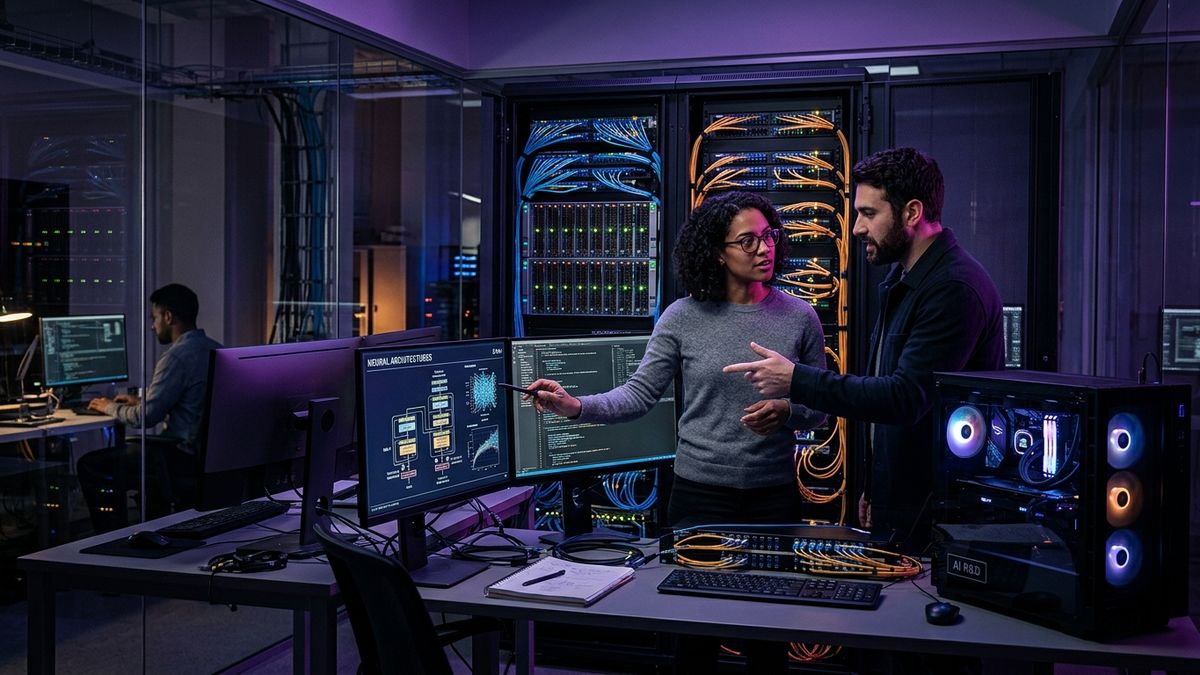
Large funding rounds are driving growth in India's venture capital ecosystem even as deal count remains selective, with investors prioritizing high-barrier IP, sovereign AI, and semiconductor innovation.
Executive Key Takeaways
- Large funding rounds are driving growth in India's venture capital ecosystem even as deal count remains selective, with investors prioritizing high-barrier IP, sovereign AI, and semiconductor innovation.
- The funding market in 2026 is hyper-selective, but for true deep-tech and AI innovators, capital availability has never been better, explained Rajan Anandan, Managing Director at Peak XV Partners. Investors are eager to write $20M to $100M checks for teams solving hard engineering problems in silicon design, healthtech AI, and sovereign compute.
- Key Benchmark: **Generative AI & LLM Infrastructure** — **$1.85 Billion**
Venture capital activity across the Indian startup ecosystem in mid-2026 presents a striking dual dynamic: while overall deal volume remains disciplined and selective, aggregate funding values continue to rise—driven by mega-capital rounds concentrated in Artificial Intelligence, Deep-Tech, and Sovereign Hardware Infrastructure.
According to latest market intelligence, AI and frontier technology ventures accounted for over 45% of total capital raised across Indian startups in the past quarter, outstripping traditional sectors like consumer e-commerce and generic SaaS. Investors are placing premium valuations on ventures possessing defensible IP, custom hardware designs, and localized machine learning models.
Intent-First Overview of Investment Benchmarks
The shift toward selective, high-conviction funding marks a mature evolution in investor sentiment. Venture capital funds are no longer writing check books based on rapid user acquisition alone; instead, institutional LPs are demanding clear unit economics, high gross margins, and proprietary technology moats.
This strategic pivot favors deep-tech founders building foundational breakthroughs in RISC-V semiconductor design, quantum materials, healthtech AI platforms, and enterprise automation engines.
Investment Sector Breakdown & Valuation Multiples Matrix
| Technology Sector | Q2 2026 Capital Deployed | Average Deal Size | Primary Investor Thesis |
|---|---|---|---|
| Generative AI & LLM Infrastructure | $1.85 Billion | $35 Million | Sovereign compute, multilingual models, enterprise guardrails |
| Semiconductors & RISC-V Silicon | $940 Million | $28 Million | Fabless chip design, domestic IoT hardware, sub-GHz LoRa chips |
| Healthtech & Medical Diagnostics | $620 Million | $18 Million | Automated radiology AI, oncology screening, PACS middleware |
| Clean-Tech & Energy Storage | $510 Million | $22 Million | Solid-state electrolytes, EV battery management systems |
| Enterprise SaaS & Security | $480 Million | $12 Million | Security Service Edge (SSE), zero-trust LLM prompt security |
Investor Disparity: Quality Over Quantity
Market analysts note that while Series A and Series B deal counts dropped 14% year-over-year, median deal size surged by 38%, illustrating the concentration of capital into market leaders.
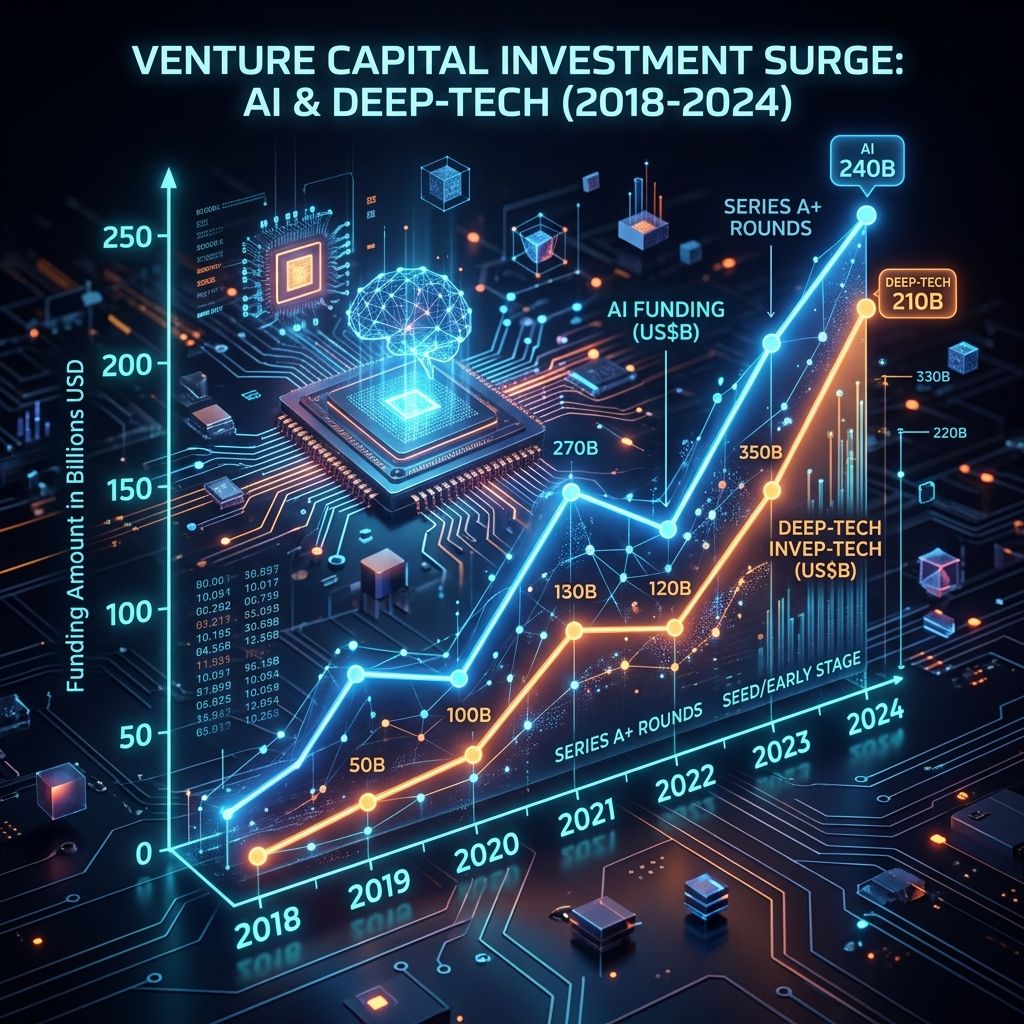
"The funding market in 2026 is hyper-selective, but for true deep-tech and AI innovators, capital availability has never been better,"explained Rajan Anandan, Managing Director at Peak XV Partners. "Investors are eager to write $20M to $100M checks for teams solving hard engineering problems in silicon design, healthtech AI, and sovereign compute."
Aligning with Domestic Policy & Sovereign Initiatives
The capital concentration in frontier technology is heavily amplified by government co-investment vehicles, such as the expanded Startup India Fund of Funds 2.0 Initiative and key events spotlighting national tech capabilities like the Bengaluru Nano Summit AI & Deep-Tech Showcase.
As high-value rounds close across AI radiology platforms like CARPL.ai's $10M Raise and indigenous semiconductor ventures like the Gujarat Semtech RISC-V Chip Venture, India's startup ecosystem is solidly anchored in high-impact technological sovereignty.