The Bhupat and Jyoti Mehta Family Foundation is partnering with multiple IITs to add 6,000 seats in Robotics, Physical AI, and Space Engineering starting in 2027, backed by 120+ faculty.
Executive Key Takeaways
- The Bhupat and Jyoti Mehta Family Foundation (MFF) and multiple IITs are launching 6,000 new specialized seats across B.Tech, Master's, and PhD programs beginning in 2027.
- The expansion allocates 5,000 seats to Robotics and Physical AI (2,500 B.Tech, 1,200 Master's, 1,300 PhD) and 1,000 seats to Space Engineering and Technology.
- The 8-to-10-year rollout includes over 120 dedicated faculty hires, advanced laboratory infrastructure, paid industry residencies, and a dedicated School of Space Science and Technology.
Multiple Indian Institutes of Technology (IITs), in partnership with the Bhupat and Jyoti Mehta Family Foundation (MFF), have unveiled a landmark academic expansion that will create 6,000 new specialized seats in Robotics, Physical AI, and Space Engineering, with the first student cohorts enrolling in 2027. Rolled out progressively over an 8-to-10-year period across undergraduate (B.Tech), Master's, and doctoral (PhD) levels, the initiative is backed by over 120 dedicated faculty appointments and next-generation research laboratories.
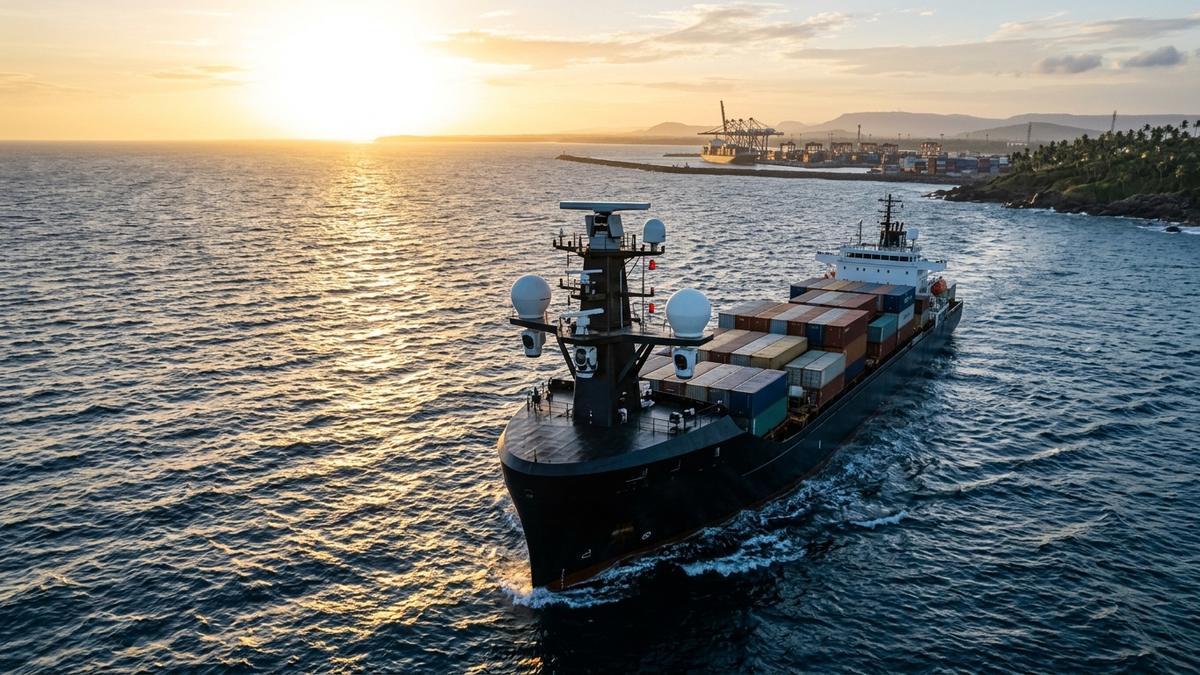
As India's industrial robotics, autonomous defense, and commercial space sectors scale rapidly—evidenced by ventures like Cosine Robots' industrial AMR funding, SatSure's orbital AI expansion, and IIT Madras's autonomous maritime AI—the program aims to close India's acute shortage of cross-disciplinary hardware-AI engineers.
Seat Distribution Across Robotics, Physical AI, and Space
Unlike traditional software-only AI tracks, the new IIT programs fuse mechanical and electrical engineering with embodied machine intelligence. Of the 6,000 total seats, 5,000 are dedicated to Robotics and Physical AI, while 1,000 target Space Engineering and Technology, including a dedicated School of Space Science and Technology at one of the participating institutes.
| Discipline Track | B.Tech Seats | Master's Seats | PhD Seats | Total Seats |
|---|---|---|---|---|
| Robotics & Physical AI | 2,500 | 1,200 | 1,300 | 5,000 |
| Space Engineering & Technology | 500 | 300 | 200 | 1,000 |
| Combined Initiative Total | 3,000 | 1,500 | 1,500 | 6,000 |
"Embodied intelligence and orbital systems require engineers who can bridge physics, control theory, and foundation models in the same laboratory,"noted academic planners involved in the MFF-IIT consortium.
Inside the Physical AI and Space Engineering Curricula
Both tracks are structured to move students rapidly from theoretical coursework to hardware-in-the-loop experimentation and commercial deployment:
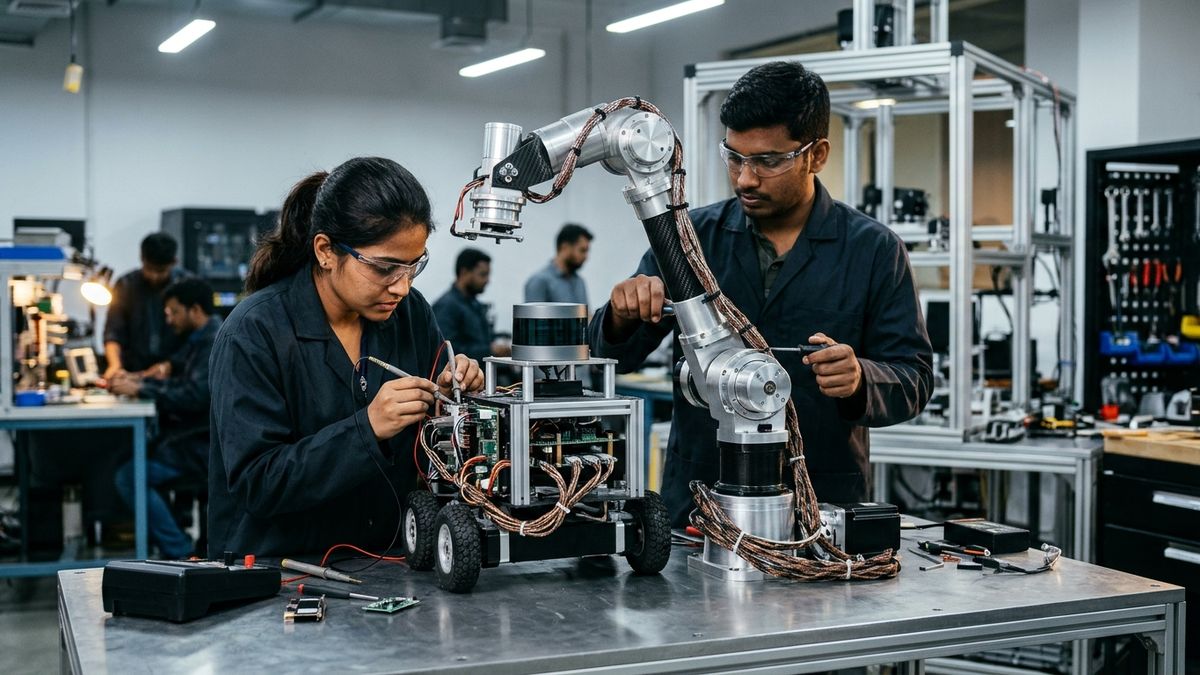
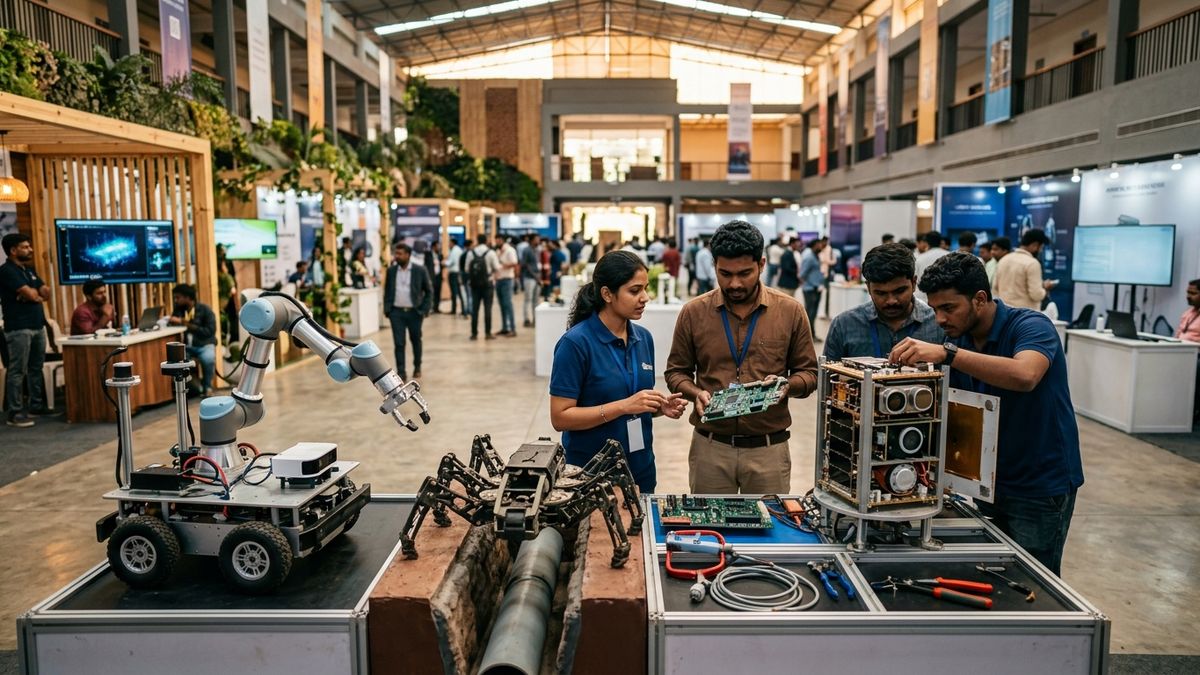
- Physical AI & Embodied Systems: Covers humanoid and legged locomotion, swarm and soft robotics, computer vision, multi-sensor fusion, digital twins, and robotic foundation models—reinforced by industry-linked capstones and paid industry-residency semesters.
- Space Engineering & Technology: Focuses on satellite bus architecture, navigation, spacecraft propulsion, orbital robotics, and human spaceflight systems aligned with India's private space reforms.
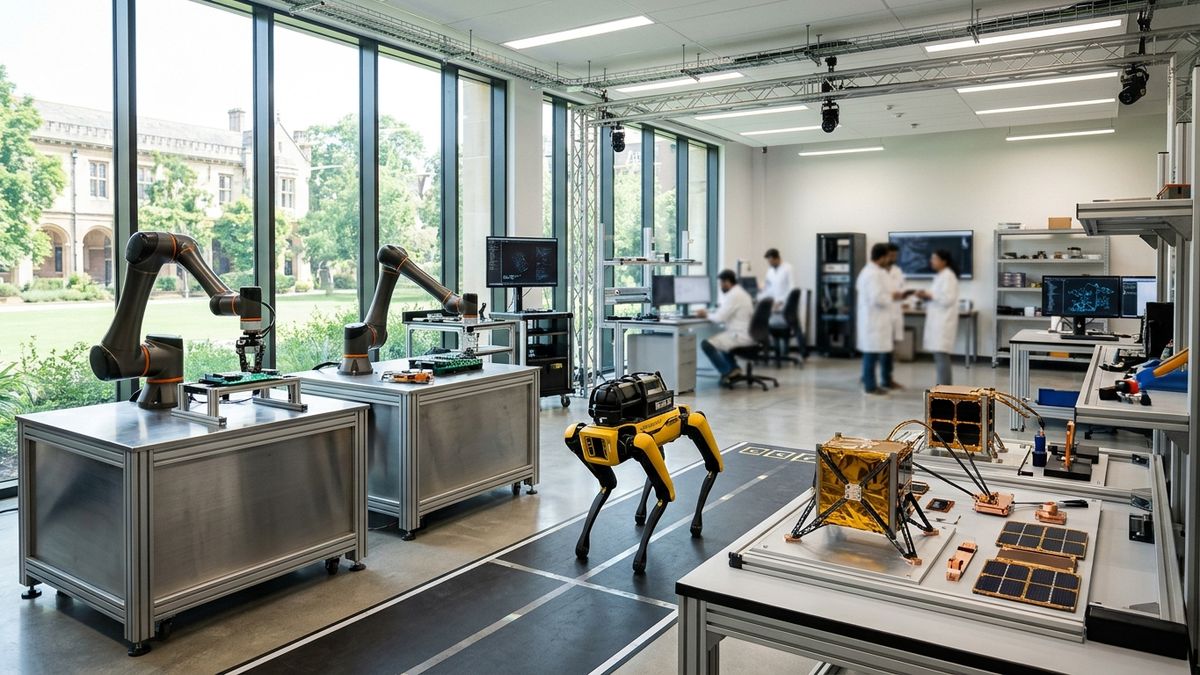
- Faculty & Lab Infrastructure: Over 120 specialized faculty members will be recruited globally and domestically, supported by dedicated cleanrooms, motion-capture robotics arenas, and propulsion test benches.
Long-Term Impact on India's Deeptech Talent Pipeline
By allocating 1,500 PhD seats alongside 3,000 undergraduate and 1,500 Master's seats, the MFF-IIT initiative deliberately strengthens foundational R&D capacity rather than focusing solely on entry-level engineering headcount. Graduates entering the workforce from the late 2020s onward will form the core technical leadership for Indian smart manufacturing, defense autonomy, medical robotics, and private orbital infrastructure.
Frequently Asked Questions
How many new seats are IITs adding in Robotics, Physical AI, and Space Engineering?
The initiative introduces 6,000 new seats over an 8-to-10-year rollout starting in 2027: 5,000 seats in Robotics and Physical AI, and 1,000 seats in Space Engineering and Technology.
Who is partnering with the IITs on this 6,000-seat expansion?
The program is launched in partnership with the Bhupat and Jyoti Mehta Family Foundation (MFF), which is supporting curriculum design, laboratory infrastructure, and over 120 dedicated faculty positions across participating IITs.
What is the degree-wise breakdown of the 6,000 seats?
Robotics and Physical AI comprises 2,500 B.Tech, 1,200 Master's, and 1,300 PhD seats. Space Engineering and Technology comprises 500 B.Tech, 300 Master's, and 200 PhD seats.
What topics will the Robotics and Physical AI curriculum cover?
The curriculum integrates mechanical and electrical engineering with machine learning, computer vision, sensing, control systems, humanoid and legged robotics, swarm systems, digital twins, and foundation models, alongside paid industry-residency semesters.
Primary Sources & Official References
- Mehta Family Foundation & IIT System Robotics, Physical AI, and Space Engineering Initiative: Bhupat and Jyoti Mehta Family Foundation / IITs, 2026
- National Deep Tech & Space Talent Pipeline Projections: Ministry of Education / IN-SPACe, 2026