Kerala Deeptech Startups Unveil Sewer Robots, Silicon Chips, and Spacecraft Payloads
By Sanjay Patel | Published October 1, 2026 | 8 min read
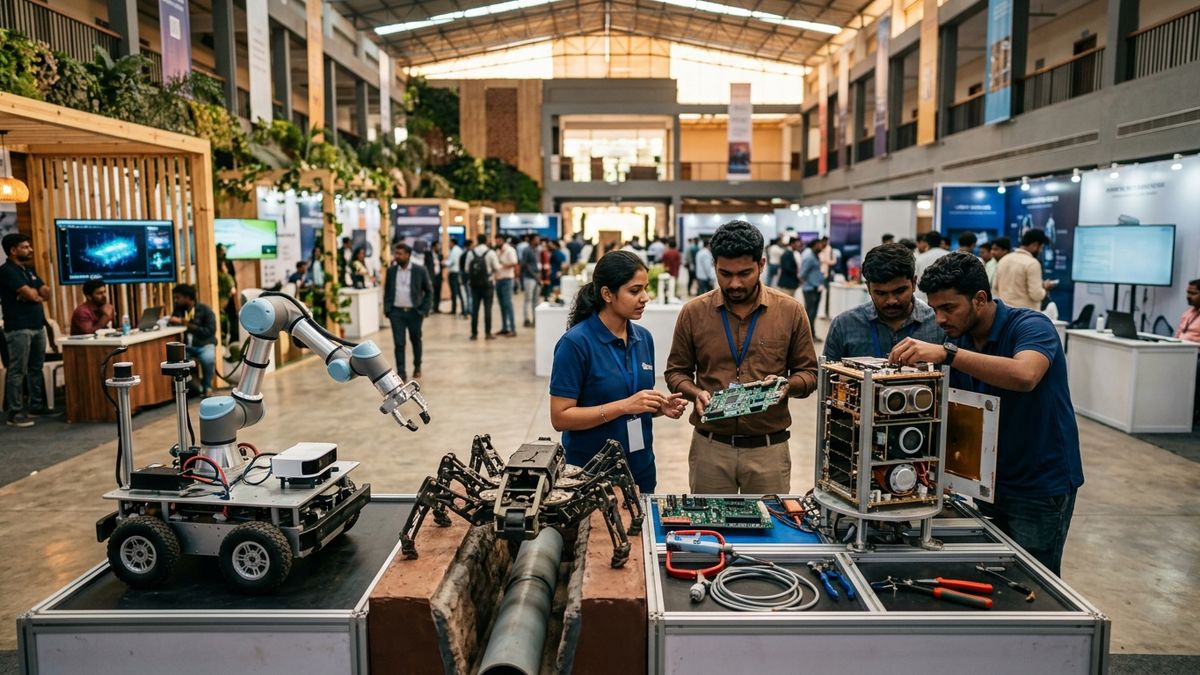
Kerala deeptech startups showcase groundbreaking innovations across autonomous sewer-cleaning robotics, custom silicon chips, and satellite subsystems.
Three Kerala-based hardware startups have captured national attention by showcasing advanced commercial solutions across sewer-cleaning robotics, indigenous semiconductor silicon, and space exploration payloads. The engineering demonstrations, hosted under the auspices of the Kerala Startup Mission (KSUM), highlight a structural shift within India's startup ecosystem: moving beyond consumer software applications toward deep, defensible physical engineering and sovereign technological self-reliance.
While tier-1 metropolitan hubs have historically dominated venture capital deal flow, Kerala has carved out a unique, capital-efficient niche in heavy hardware prototyping and advanced cyber-physical systems. This emphasis on applied physical computing mirrors the global expansion of physical AI silicon architectures, where real-world machines, extreme sensors, and specialized microchips operate under rigorous physical constraints.
The state's strategic investments in the Maker Village electronics incubator in Kochi and the Super Fab Lab—established in collaboration with the Massachusetts Institute of Technology (MIT)—have laid the groundwork for complex hardware commercialization.
The Triad of Innovation: Robotics, Semiconductors, and Space Systems
The recent showcase put the spotlight on three specialized deeptech hardware frontiers engineered by Kerala ventures:
- Autonomous Sanitation & Heavy Robotics: Pioneered by robotics ventures like Genrobotics, next-generation spider-legged robotic mechanisms enter toxic subterranean sewage lines, utilize computer vision to assess structural damage, and extract heavy sludge. These machines are eliminating the hazardous practice of manual scavenging across urban municipal corporations nationwide.
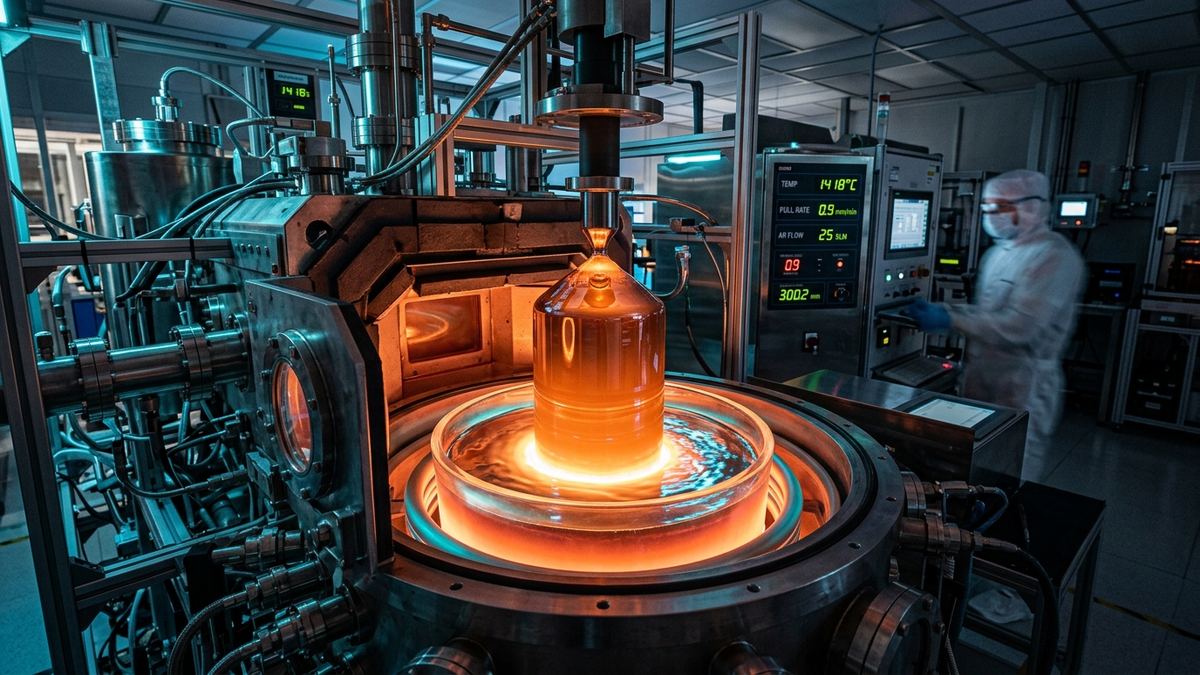
- Indigenous Semiconductor Chip Design: Microelectronics startups developing low-power System-on-Chip (SoC) architectures for industrial telemetry and IoT sensor gateways. By leveraging state-subsidized electronic design automation tools, these ventures are taping out custom silicon designed to operate in extreme thermal environments.
- SpaceTech Subsystems and Orbital Payloads: Aerospace startups engineering miniaturized reaction wheels, star trackers, and optical communication transceivers destined for Low Earth Orbit (LEO) small-satellite constellations.
"True deeptech takes years of patient engineering, robust hardware testing, and institutional belief,"noted leadership at the Kerala Startup Mission. "These three startups prove that Indian engineering talent can design extreme-environment robotics, fabricate silicon intellectual property, and construct satellite payloads that compete on the global stage."
Kerala Deeptech Hardware Matrix
The structured table below provides a comprehensive breakdown of the demonstrated hardware platforms, engineering capabilities, and deployment scale across Kerala's deeptech ecosystem:
| Deeptech Domain | Pioneering Architecture | Core Engineering Foundation | Commercial Deployment Scale |
|---|---|---|---|
| Municipal Sanitation Robotics | Autonomous Spider-Legged Sewer Rover | Multi-axis manipulator, toxic gas array, CV navigation | Deployed across 18+ Indian States and Municipalities |
| Edge Semiconductor Silicon | Ultra-Low Power RISC-V IoT SoC | 28nm planar CMOS, integrated RF transceiver, cryo-resistant | Pilot validation in smart energy meters and industrial grids |
| Aerospace Satellite Payloads | Precision Orbital Attitude Control & Imaging | Miniaturized reaction wheels, optical star tracker | Flight-qualified for upcoming commercial PSLV launches |
| Industrial Inspection Systems | Explosion-Proof Confined Space Crawler | Magnetic tracks, ultrasonic thickness inspection, LiDAR | Servicing oil refineries, shipyards, and offshore rigs |
Overcoming the Hardware Prototyping Valley of Death
Developing physical hardware in India has historically presented severe structural hurdles: protracted component supply chains, capital-intensive manufacturing tooling, and limited local testing facilities. Kerala's startup infrastructure has systematically tackled these bottlenecks through shared institutional infrastructure.
Through the Maker Village in Kochi, hardware entrepreneurs gain subsidized access to surface-mount technology (SMT) lines, industrial 3D printers, environmental stress screening chambers, and electromagnetic compatibility (EMC) testing labs. This localized infrastructure reduces hardware prototype turnarounds from nine months to just three weeks.
Furthermore, state engineering institutions are actively fostering industry-grade applied talent through programs akin to regional deeptech AI hackathons, ensuring a steady pipeline of embedded systems engineers, mechanical designers, and VLSI architects.
Scaling Physical Deeptech for Global Markets
The commercial success of Kerala's robotics and aerospace ventures illustrates a powerful blueprint for regional innovation hubs across Bharat. By tackling acute societal challenges—such as worker safety in hazardous municipal sanitation—and pairing that mission with high-barrier technological IP, these startups have generated sustainable domestic revenues while expanding export sales into the Middle East, Southeast Asia, and Europe.
As institutional venture capital increasingly pivots toward sovereign hardware resilience, Kerala's deeptech ecosystem stands as proof that world-class hardware manufacturing and deep engineering flourish when state infrastructure, academic rigor, and visionary founders unite.
Frequently Asked Questions
Which deeptech sectors are leading Kerala's recent startup innovation wave?
Kerala's deeptech ecosystem is spearheaded by extreme-environment robotics (including sanitation and hazardous inspection), fabless microelectronics and chip design, and space technology payloads engineered for orbital deployment.
How do Kerala's robotics startups eliminate manual scavenging in urban infrastructure?
Startups like Genrobotics have engineered spider-legged autonomous sewer robots equipped with computer vision, gas detection sensors, and robotic arms that enter deep manholes to clean sludge and clear blockages without requiring human entry.
What role has the Kerala Startup Mission (KSUM) played in hardware R&D?
KSUM provides non-dilutive seed grants, subsidized access to the Super Fab Lab in Kochi, international patent filing subsidies, and institutional government procurement contracts that serve as initial commercial testbeds.
How do Kerala's semiconductor and space ventures access fabrication and testing infrastructure?
Startups leverage domestic fabrication partnerships, the ChipIN Centre EDA software repository, and ISRO's IN-SPACe satellite qualification facilities at VSSC Thiruvananthapuram to design, test, and qualify hardware components.
Primary Sources & Official References
- Kerala Startup Mission (KSUM): DeepTech Innovation Showcase Report
- Department of Science and Technology (DST): Hardware Prototyping Review
- Ministry of Social Justice and Empowerment: Mechanized Sanitation Technology Assessment
- Indian Space Research Organisation (ISRO): Commercial Space Startups Directorate