India Mobile Congress 2026 Positions DeepTech and Frontier Innovation at the Centre of ASPIRE Startup Scale Programme
By Meera Krishnan | Published October 2, 2026 | 8 min read

India Mobile Congress 2026 prioritizes DeepTech and frontier technologies through its ASPIRE startup programme, providing market pathways and capital networks for hardware and AI founders.
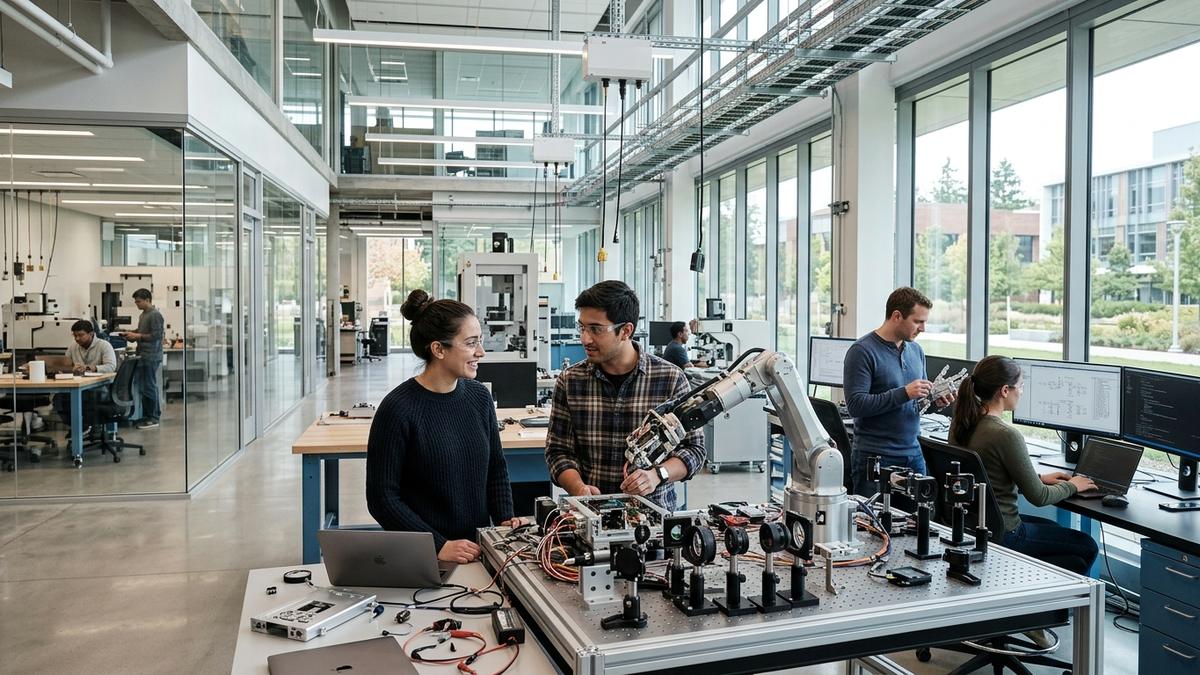
The India Mobile Congress (IMC) 2026 has officially restructured its flagship ASPIRE startup programme to place DeepTech and frontier innovations at the center of India's commercial technology agenda. Organized jointly by the Department of Telecommunications (DoT) and the Cellular Operators Association of India (COAI), the revitalized initiative moves beyond generic software and consumer e-commerce to tackle the fundamental engineering challenges holding back deeptech commercialization.
By curating dedicated corridors for over 400 deeptech ventures, ASPIRE 2026 creates structured matchmaking pipelines between early-stage hardware founders, tier-one telecom operators (including Reliance Jio, Bharti Airtel, and Vodafone Idea), global enterprise buyers, and patient institutional investors. The programme aims to bridge the notorious 'valley of death'—the capital-intensive gap where lab-validated deeptech prototypes struggle to secure commercial customer pilots.
Shifting Focus From Generic Code to Hard Engineering
Historically, Indian startup accelerators focused predominantly on quick-turnaround SaaS platforms, consumer applications, and fintech aggregators. While these sectors created significant market value, they left India reliant on imported physical infrastructure, semiconductor silicon, and telecom radio equipment.
ASPIRE 2026 marks a strategic policy recalibration:
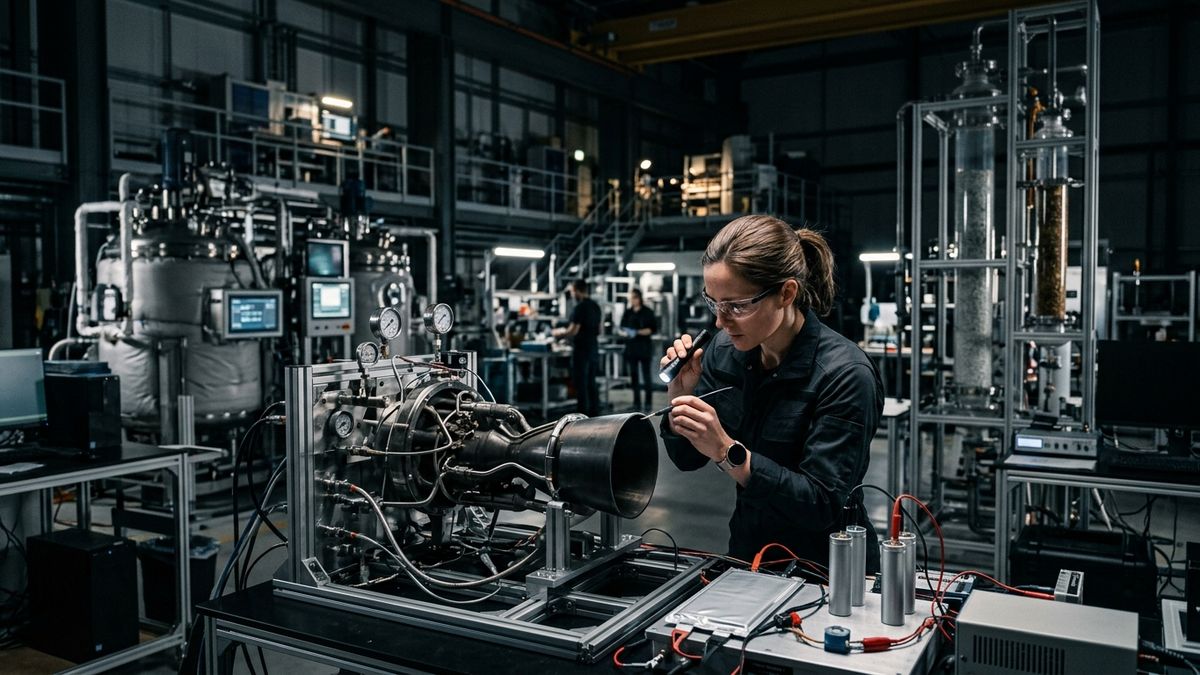
- Focus on Frontier Infrastructure: The programme prioritizes engineering disciplines requiring deep research and development, including 6G sub-THz antennas, quantum key distribution (QKD), optical interconnects, and satellite mesh communications.
- Guaranteed Enterprise Pilot Corridors: Participating startups receive fast-tracked commercial evaluations from telecom carriers and industrial conglomerates, bypassing standard multi-month enterprise vendor onboarding cycles.
- Spectrum Testing Sandboxes: In collaboration with the DoT and TRAI, startups can access non-commercial radio spectrum sandboxes to validate prototype transceivers in real-world environmental conditions.
This initiative reinforces the nationwide expansion seen in India's deeptech funding momentum across quantum, space, and energy, where venture capital firms are pivoting capital into hard-tech defensibility. Furthermore, institutional programs like the IIT Madras Deep Tech Fund achieving its milestone first close demonstrate the growing synergy between academic incubators and enterprise expos.
ASPIRE 2026 Strategic DeepTech Tracks & Enterprise Integration Matrix
The structured framework below details the five thematic technology pillars anchoring the ASPIRE 2026 programme:
| Thematic Pillar | Core Engineering Focus | Corporate Partners & Operators | Target Enterprise Deliverable |
|---|---|---|---|
| 6G & Next-Gen Radio | Sub-THz Transceivers, RIS Metasurfaces | Jio, Airtel, Ericsson, Nokia | Live Testbed Commercial Trials |
| Quantum & Cyber Defense | Quantum Key Distribution, Post-Quantum Crypto | DoT, C-DOT, Indian Armed Forces | Sovereign Network Hardening |
| Physical AI & Robotics | Autonomous Inspection Robots, Edge NPUs | Tata Motors, L&T, Siemens India | Industrial Automation Deployments |
| Satellite & NTN Comms | Phased Array Terminals, LEO Mesh Interlinks | ISRO, IN-SPACe, Global Satcoms | Direct-to-Device (D2D) Protocols |
| Green Telecom Power | Gallium Nitride (GaN) Inverters, Fuel Cells | Indus Towers, ATC India | Tower Site Carbon Neutrality |
"For too long, India's deeptech founders have had to travel abroad to demonstrate breakthrough hardware,"remarked senior officials from the Department of Telecommunications. "ASPIRE 2026 brings the enterprise buyers, the spectrum licenses, and the risk capital directly to them on home turf."
Institutional Venture Capital Pivots to Frontier Moats
The pivot at IMC reflects an overarching transformation across Indian venture capital. Leading global funds, from tier-1 firms backing early-stage cohorts in Peak XV's Surge cohort to specialized defense and deeptech funds, are seeking defensible intellectual property moats.
In sectors like quantum communications, where startups like QNu Labs have secured large-scale rounds to deploy quantum encryption across critical networks, participating in major industrial gatherings like IMC allows founders to demonstrate physical hardware directly to government defense procurement leaders and private telco executives.
Creating a Sustainable Pipeline From University Labs to Global Markets
A critical innovation of ASPIRE 2026 is its structured partnership with premier university incubators, including IIT Bombay, IIT Delhi, IIT Madras, and IISc. Founders spinning out of university laboratories often possess peerless technical expertise but lack commercial go-to-market architecture.
ASPIRE provides these university founders with dedicated legal advisors to navigate export control frameworks, patent protection strategies, and international certification guidelines (such as FCC, CE, and TEC approvals). By systematically removing regulatory and procurement barriers, IMC 2026 is ensuring that India's deeptech startups don't just showcase promising science—they build scalable, multi-billion-dollar global enterprises.
Frequently Asked Questions
What is the ASPIRE programme at India Mobile Congress (IMC) 2026?
ASPIRE is the dedicated startup initiative within India Mobile Congress, co-organized by the Department of Telecommunications (DoT) and COAI. For IMC 2026, ASPIRE has been re-engineered to focus specifically on DeepTech and frontier engineering ventures requiring enterprise pilot contracts and patient capital.
Which specific technology verticals are being prioritized in ASPIRE 2026?
Prioritized verticals include 6G sub-THz radio hardware, post-quantum cryptography, optical photonics, autonomous physical AI and robotics, satellite telecommunications, and green energy power conversion.
How does ASPIRE help deeptech startups overcome the 'valley of death'?
Unlike traditional software pitch days, ASPIRE secures pre-committed proof-of-concept (PoC) budgets from telecom operators and corporate enterprises, offers regulatory spectrum testing sandboxes, and arranges tailored matchmaking with deeptech-focused venture funds.
Who is eligible to participate in the ASPIRE DeepTech tracks?
Early-stage to growth-stage Indian hardware, software, and semiconductor startups with working laboratory prototypes or minimum viable products (MVPs) in telecom, quantum, AI, or advanced hardware.
Primary Sources & Official References
- Department of Telecommunications (DoT): India Mobile Congress 2026 Strategic Directives.
- Cellular Operators Association of India (COAI): ASPIRE Startup Programme Charter.
- Telecom Regulatory Authority of India (TRAI): Sandbox Guidelines for Frontier Telecom Technologies.
- Startup India & MeitY: National Deep Tech Startup Policy Integration Brief.