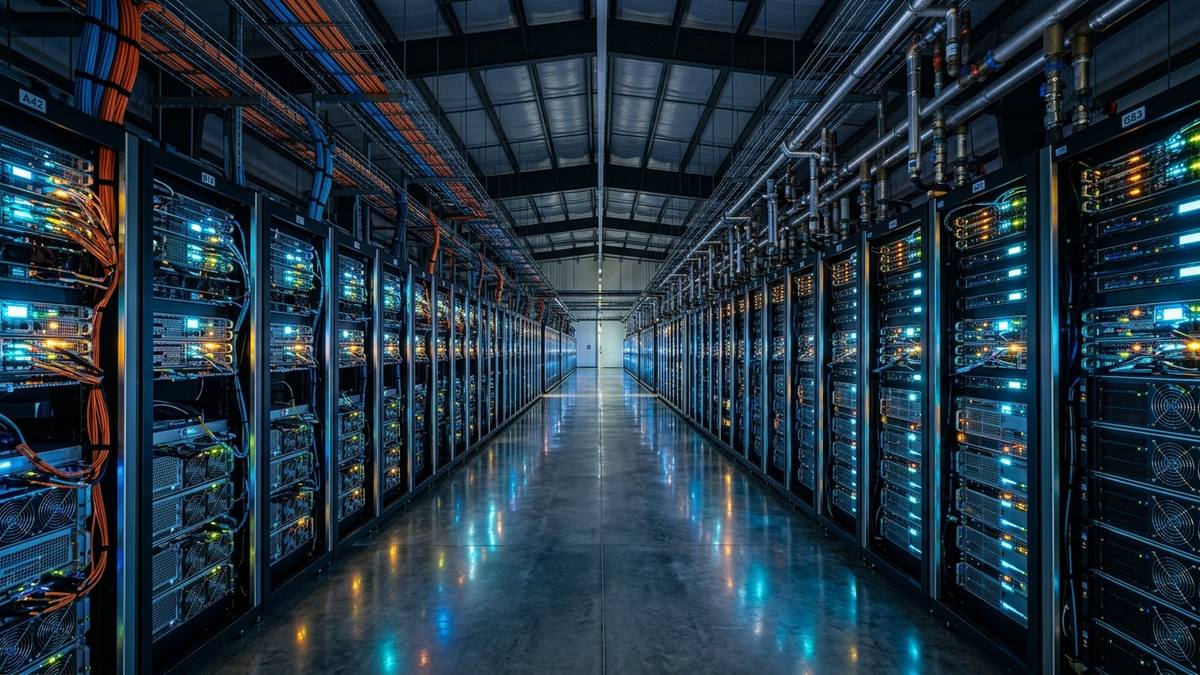
Paytm CEO Vijay Shekhar Sharma Commits ₹1–2 Crore Personal Grants to Back Indian Founders Building Sovereign AI Models
By Elena Rostova | Published October 8, 2026 | 8 min read
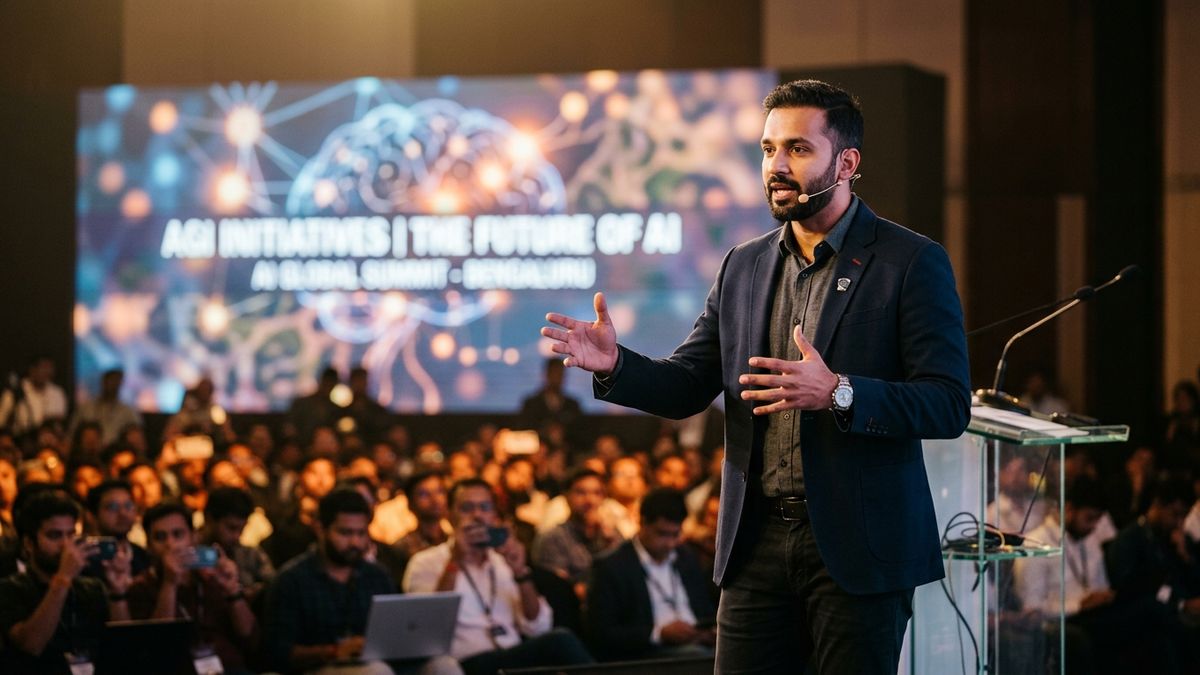
Paytm founder Vijay Shekhar Sharma announces personal capital commitments of ₹1 to ₹2 crore per startup to empower Indian engineers building homegrown AI foundation models.
Paytm founder and Chief Executive Officer Vijay Shekhar Sharma has announced a personal commitment to invest ₹1 crore to ₹2 crore in Indian founders and engineering teams building indigenous artificial intelligence foundation models. The announcement represents a pivotal private intervention aimed at democratizing seed-stage capital for domestic AI architects, ensuring Indian developers possess the early financial backing required to build sovereign models rather than relying exclusively on foreign proprietary infrastructure.
The commitment addresses a critical capital gap within India's frontier technology ecosystem: while downstream software-as-a-service (SaaS) applications built on foreign APIs attract significant venture funding, teams attempting foundational pre-training and specialized architectural development often face steep GPU cluster expenses before demonstrating commercial traction.
Catalyzing India's Sovereign AI Ecosystem at the Seed Level
The global generative AI landscape is heavily concentrated among capital-intensive technology giants in North America and East Asia. Training frontier foundation models regularly demands tens of millions of dollars in compute infrastructure, specialized optical networking, and curated datasets.
However, a growing cohort of Indian machine learning researchers contends that sovereign foundation models—specifically optimized for linguistic nuances, low-resource regional dialects, and frugal parameter efficiency—can be developed at a fraction of Western capital intensity through architectural ingenuity.
Vijay Shekhar Sharma's personal backing is tailored to empower these lean, high-velocity engineering teams during their most vulnerable research phase. By offering flexible tickets between ₹1 crore and ₹2 crore ($120,000 to $240,000), technical founders can cover critical early expenses, including cloud GPU reservations, specialized data annotation pipelines, and core researcher stipends.
"India cannot afford to be a mere consumer of imported intelligence models,"noted industry analysts tracking domestic frontier capital. "When domestic tech leaders step forward with personal capital to back fundamental machine learning research, it sends a clear signal that Indian engineering talent is capable of building foundational deeptech from first principles."
This private support synergizes directly with broader sovereign technology efforts across India, including IndiaAI's academic expansion of the AIKosh dataset repository and indigenous silicon ventures securing capital backing.
Capital Dynamics Across the Artificial Intelligence Stack
The table below contrasts the capital allocation models, computational requirements, and strategic focal points across different layers of the AI ecosystem:
| Ecosystem Tier | Capital Requirements | Compute Infrastructure | Core Technical Focus | Sovereign Strategic Value |
|---|---|---|---|---|
| Global Frontier Labs | $100M – $1B+ per run | 25,000+ H100/B200 Clusters | Dense Frontier Foundation Models | Global Market Dominance |
| Sovereign Indian Models | ₹50 Cr – ₹200 Cr | 1,000 – 4,000 GPU Nodes | Indic Languages & Domain Reasoning | National Digital Sovereignty |
| Indie Seed Model Builders | ₹1 Cr – ₹5 Cr | Cloud On-Demand & Spot GPU Nodes | Efficient Small Language Models (SLMs) | Grassroots Innovation & Talent |
| API Wrapper Applications | ₹20 Lakh – ₹1 Cr | Standard Cloud Web Servers | Prompt Engineering & UI Interfaces | Low IP Differentiation |
Overcoming the Indic Data and Tokenization Bottleneck
One of the primary technical justifications for domestic foundation models lies in tokenization efficiency. Most standard open-weight and proprietary models utilize tokenizers trained overwhelmingly on English and Western corpora. When processing Indian languages such as Hindi, Tamil, Telugu, Marathi, or Bengali, these tokenizers fragment words into excessive sub-word tokens, increasing latency and driving inference costs up to four to six times higher for domestic end-users.
Founders supported by this seed capital will focus on engineering native tokenizers and synthetic data pipelines tailored to Indian syntax and vernacular cultural context. By optimizing token efficiency, domestic models can deliver sub-100 millisecond response times on cost-effective enterprise infrastructure.
This push complements infrastructure developments that bring high-performance computing closer to Indian enterprises, such as Anthropic deploying local Claude AI inference via AWS Mumbai.
Private Angel Capital as a Bridge to Institutional Sovereign Compute
The timing of Sharma's commitment aligns with the execution of the central government's ₹10,372 crore IndiaAI Mission. Under this national initiative, the Ministry of Electronics and Information Technology (MeitY) is procuring access to over 10,000 GPUs to be leased to accredited researchers and startups at heavily subsidized tariffs.
However, accessing government compute allocations requires startups to possess working capital, incorporated corporate structures, and functional prototypes. Sharma's personal checks bridge this operational gap, enabling pre-incorporation engineering teams to reach the validation milestones necessary to qualify for state compute subsidies and subsequent institutional venture rounds.
Future Outlook for India's Generative AI Talent Pool
As India expands its footprint from global software services into deeptech intellectual property, early-stage risk capital provided by proven operators represents a vital catalyst. By backing indigenous AI model architects with immediate personal funding, Vijay Shekhar Sharma has established an actionable benchmark for domestic technology leaders to reinvest capital into sovereign technological capabilities.
Frequently Asked Questions
What has Paytm CEO Vijay Shekhar Sharma announced regarding AI funding?
Vijay Shekhar Sharma has publicly offered to provide personal seed funding and grants ranging from ₹1 crore to ₹2 crore to Indian engineers and founders building homegrown AI foundation models and indigenous machine learning infrastructure.
Why is early-stage capital crucial for foundation model builders in India?
Building foundation models requires substantial upfront capital to secure GPU clusters, ingest and clean massive multilingual datasets, and run iterative pre-training cycles, costs that often prohibit early-stage technical founders from competing with foreign frontier labs.
How does this private initiative align with the government's IndiaAI Mission?
While the ₹10,372 crore IndiaAI Mission provisions subsidized computing clusters and centralized data access through repositories like AIKosh, Sharma's personal funding provides flexible equity and grant capital to hire specialized researchers and cover operating overhead.
What types of AI startups are eligible for this backing?
The capital is earmarked for technical teams actively architecting native Indian foundation models, Indic language tokenizers, specialized domain reasoning architectures, and indigenous physical AI systems rather than thin API wrapper applications.
Primary Sources & Official References
- One97 Communications Limited (Paytm): Executive Public Disclosures and Statements
- Ministry of Electronics and Information Technology (MeitY): IndiaAI Mission Sovereign Compute Framework
- NASSCOM DeepTech Club: Annual Report on Indian Generative AI Startups
- Reserve Bank of India (RBI): Regulations Governing Angel Investments in Frontier Technologies