Indian foundational model pioneer Sarvam AI is in preliminary talks to raise $300 million to expand its frontier Indic language models, compute infrastructure, and voice-first platforms.
Executive Key Takeaways
- Sarvam AI is reportedly exploring a $300 million funding round to scale its domestic frontier Indic foundational models and voice compute stack.
- The capital will be deployed toward high-end GPU cluster reservations, multi-modal Indic datasets, and low-latency voice-native API infrastructure across 22 scheduled Indian languages.
- The fundraise signals intensifying competitive dynamics against domestic players like Krutrim and Gnani.ai, as well as global hyper-scalers competing for India's 1.4 billion user base.
Indian generative artificial intelligence startup Sarvam AI is reportedly in early discussions with domestic and international institutional investors to raise approximately $300 million in a new financing round. The proposed mega-round, which would stand as one of the largest private equity injections into India's indigenous foundational model sector, comes as competition heats up among domestic technology firms and global hyperscalers to develop sovereign AI infrastructure tailored for India's linguistic diversity and digital public infrastructure.
The prospective capital infusion underscores the immense financial and computational requirements needed to build, train, and maintain frontier-grade multimodal models. If concluded, the funding round would value the Bengaluru-headquartered startup at a significant premium, equipping it with the capital reserves necessary to secure long-term compute contracts, expand proprietary speech and language datasets, and build full-stack enterprise solutions for India's 1.4 billion citizens.
The High Cost of Sovereign AI: Compute Racks and Linguistic Diversity
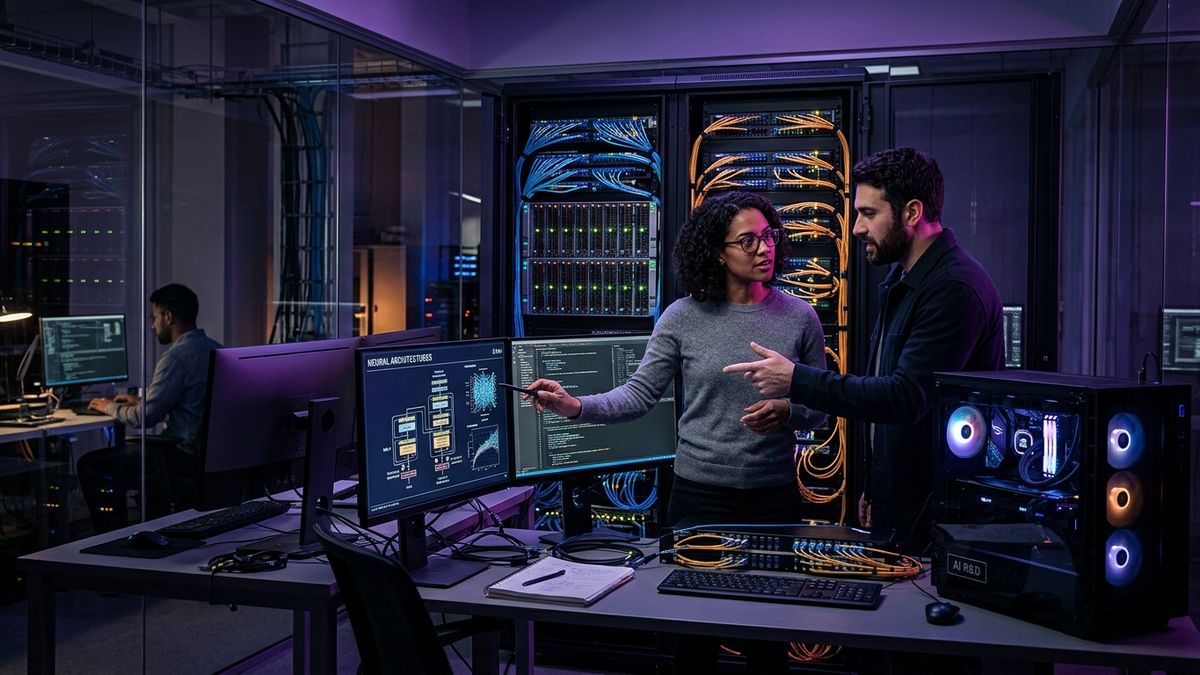
Building sovereign foundational models is one of the most capital-intensive engineering endeavors in the global technology sector. A single pre-training run for an enterprise-grade foundational model can cost tens of millions of dollars in compute alone, requiring thousands of clustered Nvidia H100, H200, or next-generation Blackwell GPUs operating over high-speed optical networking fabrics.
For an Indian model builder like Sarvam AI, the engineering challenge is compounded by linguistic diversity. Unlike English-centric models that train on vast troves of high-resource internet text, training high-fidelity models for Indian vernaculars requires curating, cleaning, and tokenizing datasets across 22 scheduled languages and hundreds of colloquial dialects. Standard tokenizers frequently exhibit severe "token inflation" on non-Latin scripts such as Devanagari, Tamil, or Telugu—costing up to four to six times more compute tokens per word compared to English.
Sarvam AI has focused specifically on addressing this structural imbalance through novel tokenizer architectures and voice-native foundation models like Sarvam-1 and its speech API platforms. By optimizing tokenizer efficiency and training directly on acoustic tokens, the startup has achieved low-latency, real-time voice processing that functions reliably even over constrained 4G mobile networks.
"India cannot afford to be a mere consumer of foreign AI technologies that treat our linguistic heritage as an afterthought,"remarked an institutional venture investor tracking the domestic deeptech space. "Sovereign foundation models represent critical national digital infrastructure. A $300 million capitalization allows domestic champions to secure compute capacity, attract top research talent, and build models native to our economic fabric."
Competitive Landscape: India's Sovereign AI Race
The reported fundraise comes as Indian tech pioneers, venture funds, and government agencies accelerate investments into domestic computing capabilities. Several contenders are currently vying to define India's sovereign intelligence tier, ranging from voice-first startups to full-stack cloud and silicon initiatives.
The structured comparative matrix below outlines key operational dimensions across leading contenders in the Indian sovereign foundational AI ecosystem:
| Contender | Primary Architectural Focus | Language Coverage | Compute Strategy | Target Enterprise Market |
|---|---|---|---|---|
| Sarvam AI | Voice-first multimodal & Indic token-efficient LLMs | 22 Official Indian Languages & Dialects | Tier-1 Cloud & Sovereign GPU Allocations | Enterprise Voice Banking, Legal, & Citizen Services |
| Krutrim | Full-stack sovereign cloud, LLMs, & AI silicon roadmap | Multi-language Indic text & multimodal models | Proprietary data centers & sovereign silicon plans | Consumer assistant, B2B cloud, & developer APIs |
| Gnani.ai | Conversational voice engines & SLMs for BFSI | 14+ Indian languages with telephony optimization | On-premise enterprise & hybrid cloud | Banking contact centers, collections, & fraud triage |
| Global Hyperscalers | Generalist multi-trillion-parameter frontier models | Global English-centric with secondary Indic support | Massive proprietary hyperscale superclusters | Global enterprise software & horizontal copilot tools |
Institutional Capital and Synergy with the IndiaAI Mission
The capital appetite across India's AI startup ecosystem reflects wider momentum supported by both government policy and prominent technology founders. India's Union Cabinet has backed the ₹10,372 crore IndiaAI Mission, which aims to democratize access to high-performance compute clusters and curated national repositories like AIKosh.
However, sovereign compute allocations under government subsidies often face supply constraints and high demand, as seen in recent IndiaAI Mission GPU procurement bids. Private capital remains vital for startups like Sarvam AI to secure guaranteed, multi-year capacity directly from international chipmakers and hyperscale cloud providers.
Simultaneously, prominent technology leaders have rallied around domestic model development. Industry figures have publicly backed sovereign initiatives, with Paytm CEO Vijay Shekhar Sharma offering dedicated funding pools to Indian model builders. Furthermore, broader private venture capital flows are pivoting decisively away from hyper-funded consumer aggregators toward deeptech platforms, detailed in recent analyses of India's venture ecosystem shifting toward AI and deep tech.
If finalized, Sarvam AI's $300 million round would provide the computational firepower required to defend India's sovereign digital frontier, ensuring that foundational intelligence for the next billion users is built within the country.
Frequently Asked Questions
What is Sarvam AI and who are its founders?
Sarvam AI is an Indian deeptech artificial intelligence startup co-founded by Vivek Raghavan and Pratyush Kumar. The company focuses on developing sovereign foundational language models, efficient tokenizers, and voice-native AI architectures designed specifically for India's linguistic landscape.
Why is Sarvam AI seeking a $300 million fundraise?
Training frontier-grade foundational models and deploying real-time multimodal voice systems requires immense capital for high-performance GPU clusters (such as Nvidia H100 and Blackwell servers), large-scale Indic dataset acquisition, and global research talent recruitment.
How do Indic language foundation models differ from Western LLMs?
Western foundation models are predominantly optimized for English text, resulting in inefficient tokenization and higher latency when processing Indian scripts. Indic models like Sarvam-1 use specialized tokenizers that represent Devanagari and other vernacular scripts using fewer tokens, drastically lowering computational cost and inference latency.
How does this funding round relate to the IndiaAI Mission?
While the IndiaAI Mission provides subsidized public compute pools and national data frameworks, private venture funding of this scale enables startups to contract dedicated private supercomputing clusters and accelerate commercial B2B enterprise deployments.
Primary Sources & Official References
- Venture Capital Deal Tracking & Investment Banking Institutional Briefings
- Sarvam AI Technical Documentation: Sarvam-1 Model Card, Tokenizer Benchmarks, and Speech Engine APIs
- Ministry of Electronics and Information Technology (MeitY): IndiaAI Mission Operational Framework
- Reserve Bank of India & MeitY: Sovereign Data Hosting and Financial AI Governance Directives