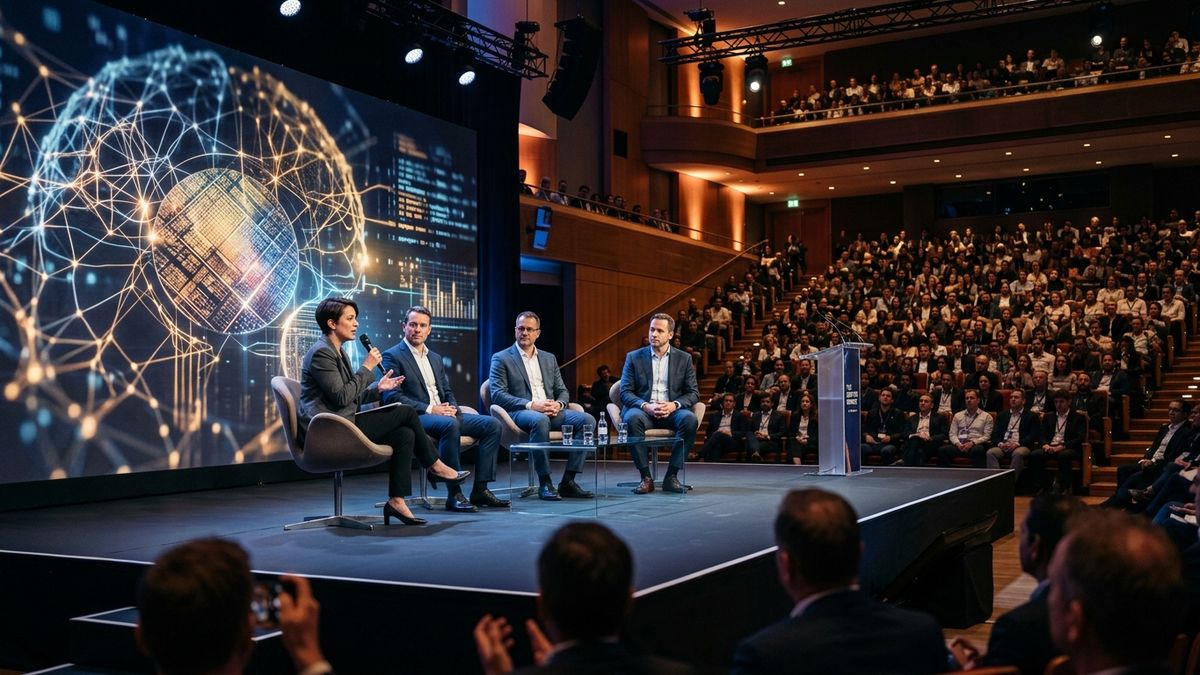
At the ET Startup Awards 2026, technology leaders and policymakers underscored the critical shift toward deeptech, sovereign compute clusters, and patient capital.
Executive Key Takeaways
- At the ET Startup Awards 2026, technology industry leaders and ministers affirmed that India's next generation of category-defining startups will be built in deeptech, AI foundational models, and microelectronics.
- Founders and investors called for expanding public GPU computing capacity under the IndiaAI Mission and restructuring venture capital fund lifecycles to support 7-to-12-year hardware development cycles.
- The strategic pivot marks a clear departure from quick-commerce and consumer app clones toward defensible IP in industrial robotics, spatial computing, defense autonomy, and fabless chip design.
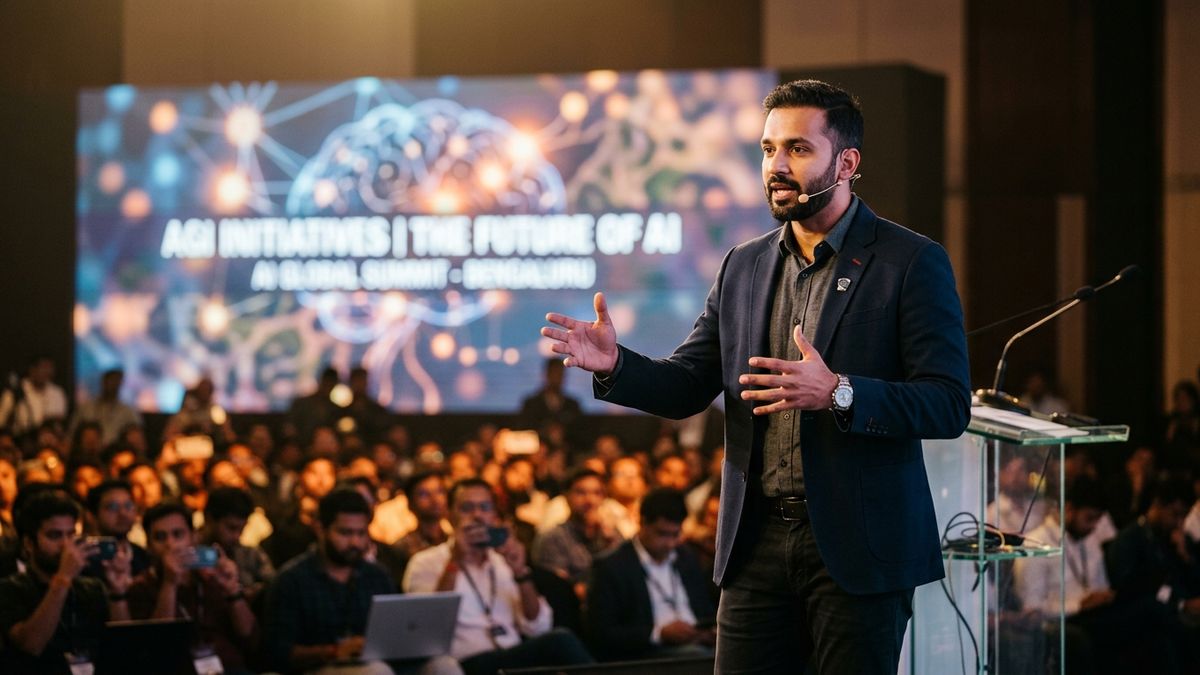
At the ET Startup Awards 2026, India's most prominent technology founders, institutional investors, and senior policymakers reached an unmistakable consensus: the nation's venture capital paradigm has permanently shifted from consumer internet towards deeptech, foundational artificial intelligence, and semiconductor hardware. Addressing industry luminaries and jury panels in Bengaluru, leaders argued that unlocking multi-generational wealth and geopolitical resilience necessitates patient institutional capital and sovereign computing infrastructure.
Over the past decade, Indian startup funding was dominated by rapid customer-acquisition models—e-commerce aggregators, food delivery apps, and fintech neo-banks. However, as domestic markets mature and consumer tech margins tighten, founders are channeling scientific depth into building critical IP in robotics, aerospace, advanced materials, and sovereign AI models.
The Deeptech Realignment: Solving Physics and Silicon Challenges
The award recipients and keynote panelists reflected this foundational realignment. Award categories that once celebrated hyper-growth consumer platforms were prominently awarded to ventures tackling hard engineering problems.
The modern cohort of Indian deeptech ventures is characterized by defensible technological barriers:
- Sovereign Foundation AI Models: Developing multi-modal, Indic-native language models that operate efficiently on constrained local compute budgets rather than relying exclusively on Western frontier APIs.
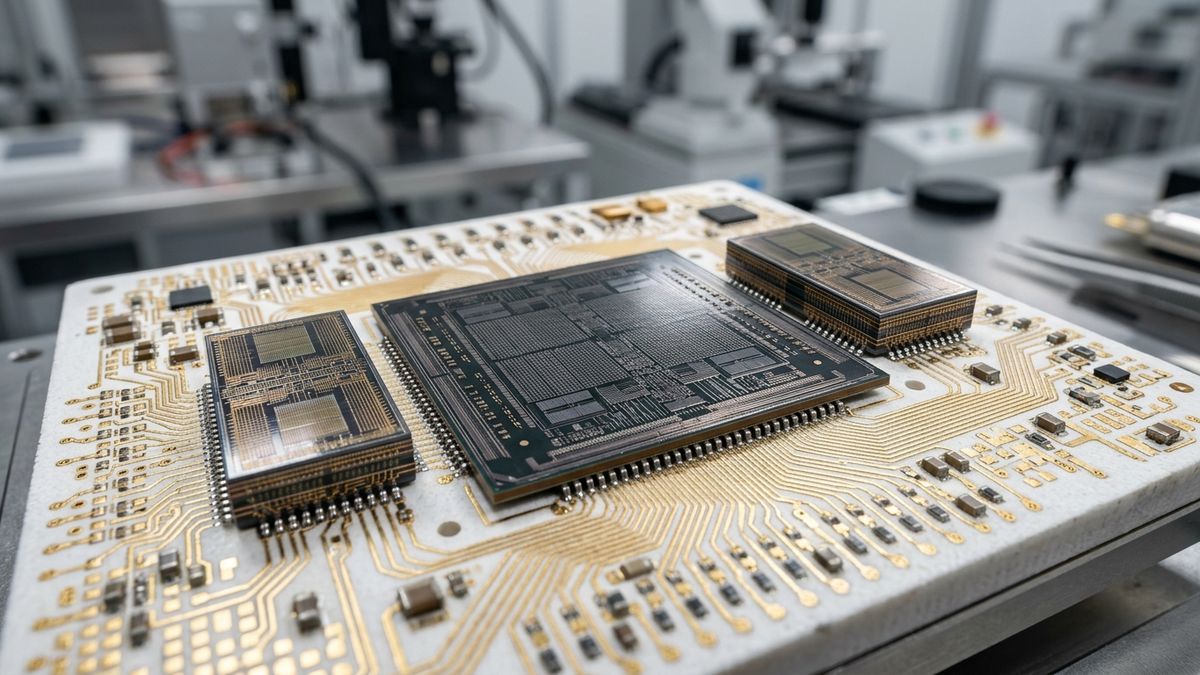
- Fabless Semiconductor Design: Designing custom system-on-chips (SoCs), neural processing units (NPUs), and analog power management ICs supported by the India Semiconductor Mission.
- Physical AI and Autonomous Robotics: Creating autonomous systems capable of navigating harsh real-world industrial environments, as demonstrated by indigenous deployments like EyeROV's defense robotics for naval surveillance.
- Aerospace and SpaceTech Hardware: Private launch vehicles, commercial Earth-observation radar constellations, and specialized satellite communication payloads.
"India cannot afford to be merely a consumer of foreign algorithms and foreign silicon,"noted senior policymakers during the summit. "True national technological independence requires our best engineering minds to build core IP right here, backed by state compute clusters and patient institutional capital."
Sovereign Compute and the IndiaAI Mission
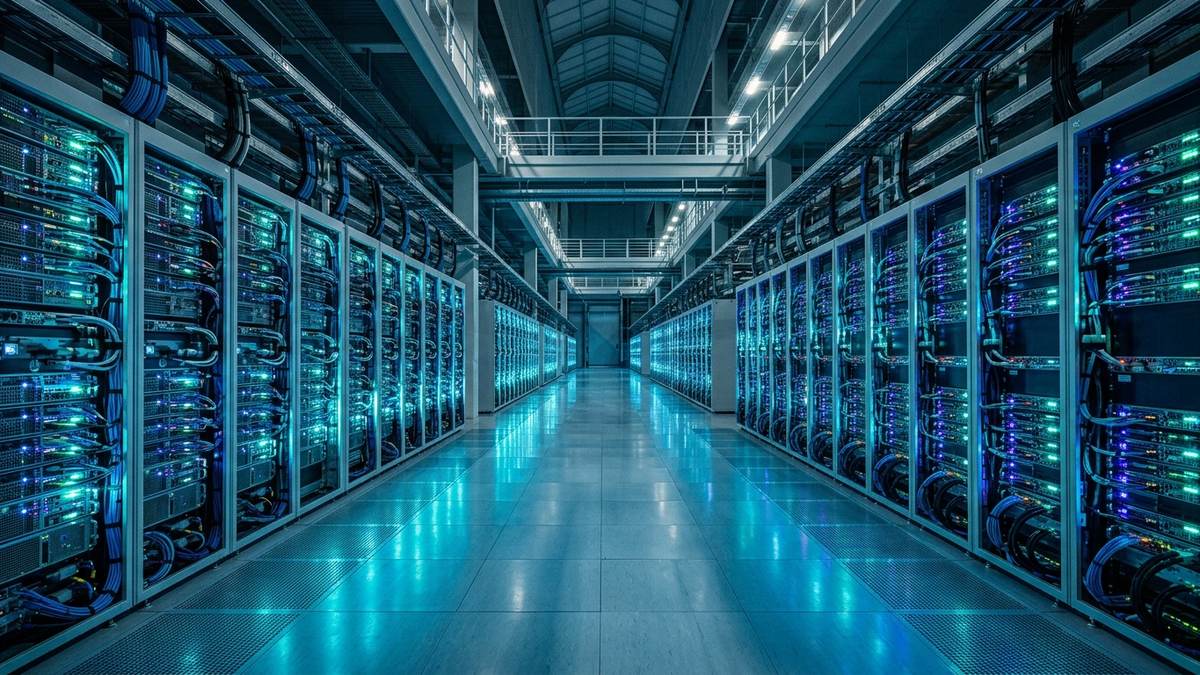
A primary bottleneck discussed across multiple panels was the acute shortage of high-end GPU compute. Deeptech startups training custom vision-language models or simulating complex aerodynamic designs face prohibitive compute costs when leasing commercial cloud instances.
To mitigate this hurdle, the Ministry of Electronics and Information Technology (MeitY) has accelerated the rollout of the IndiaAI Mission. By procuring and aggregating over 10,000 enterprise-grade GPUs in national computing clusters, the government is providing subsidized compute credits to vetted research labs, academic centers, and early-stage deeptech startups.
The table below contrasts the operational parameters of India's legacy consumer startup wave with the emerging deeptech and AI ecosystem:
| Dimension | Consumer Internet Era (2015 – 2022) | Sovereign Deeptech & AI Era (2023 – 2026+) | Strategic Impact |
|---|---|---|---|
| Primary Value Driver | Network effects & customer acquisition | Proprietary algorithms, patents & physical IP | Unmatched competitive moat |
| Capital Lifecycle | 5 – 7 year fund cycles, fast GMV scaling | 8 – 12 year patient capital, staged R&D | Enduring institutional equity value |
| Primary Customer Base | Domestic retail consumers | Global B2B enterprises, defense & aerospace | Multi-currency export revenue |
| Infrastructure Dependency | Standard public cloud servers | Dedicated GPU clusters & microelectronics fabs | Sovereign compute security |
| Regulatory Alignment | Market aggregation & consumer protection | National security, clean energy & Make in India | Direct state procurement backing |
The Necessity of Patient Risk Capital
A recurring thesis voiced by venture fund leaders was the need to re-engineer fund structures. Traditional venture funds operate on 8-to-10-year timelines with strict deployment mandates that pressure founders to achieve rapid commercial traction within 24 to 36 months.
For deeptech startups developing quantum sensors, synthetic biology, or silicon microarchitecture, three years may be spent entirely inside cleanrooms and test benches before the first commercial prototype emerges. Panelists called for domestic pension funds, insurance syndicates, and sovereign wealth vehicles to back dedicated 12-to-15-year patient capital funds.
Furthermore, public sector procurement mandates—such as the Ministry of Defence's iDEX scheme and the Ministry of Power's grid innovation initiatives—are proving essential in providing these ventures with their critical first commercial deployment contracts.
Building India's Frontier Tech Decade
The ET Startup Awards 2026 cemented the realization that India's tech sector is entering its most ambitious chapter. With over 1.5 million engineers graduating annually, expanding global engineering research centers across top metros, and purposeful government backing, the foundation is laid.
By harmonizing long-term private capital with sovereign infrastructure, the ecosystem is positioning itself not just to participate in the global AI and hardware revolution, but to actively lead it from the front.
Frequently Asked Questions
What was the central theme of the ET Startup Awards 2026?
The central theme centered on transitioning India from a consumer internet service economy to a sovereign deeptech and artificial intelligence powerhouse driven by long-term patient capital and state computing infrastructure.
Why are Indian founders and venture funds pivoting toward deeptech and AI?
Consumer tech markets have reached high penetration with compressed margins, while sovereign supply chain imperatives in defense, clean energy, and microchips offer massive defensibility, higher barriers to entry, and multi-billion-dollar global enterprise markets.
How is the Indian government supporting deeptech startups under the IndiaAI Mission?
The government is subsidizing access to over 10,000 public GPUs, establishing the Indian Semiconductor Mission's Design-Linked Incentive (DLI) program, and creating sovereign research grant frameworks for indigenous foundation models.
What is patient capital and why is it essential for deeptech startups?
Deeptech hardware, biotechnology, and semiconductor startups require extensive scientific R&D and pilot validation before generating revenues. Patient capital refers to investment funds with 10-to-15-year lifecycles that accommodate multi-year incubation without forcing premature commercial exits.
Primary Sources & Official References
- Ministry of Electronics and Information Technology (MeitY): IndiaAI Mission Sovereign Compute Framework
- The Economic Times: ET Startup Awards 2026 Official Keynote Addresses and Jury Citations
- India Semiconductor Mission (ISM): Fabless Chip Design Incentive and IP Generation Progress Report
- NITI Aayog: Frontier Technologies and Long-Term Venture Capital Policy Working Group