Skyroot's Launch Success Propels India's Private Space Race as Government Mandates Homegrown Chips
By Vikramaditya Sen | Published July 29, 2026 | 9 min read
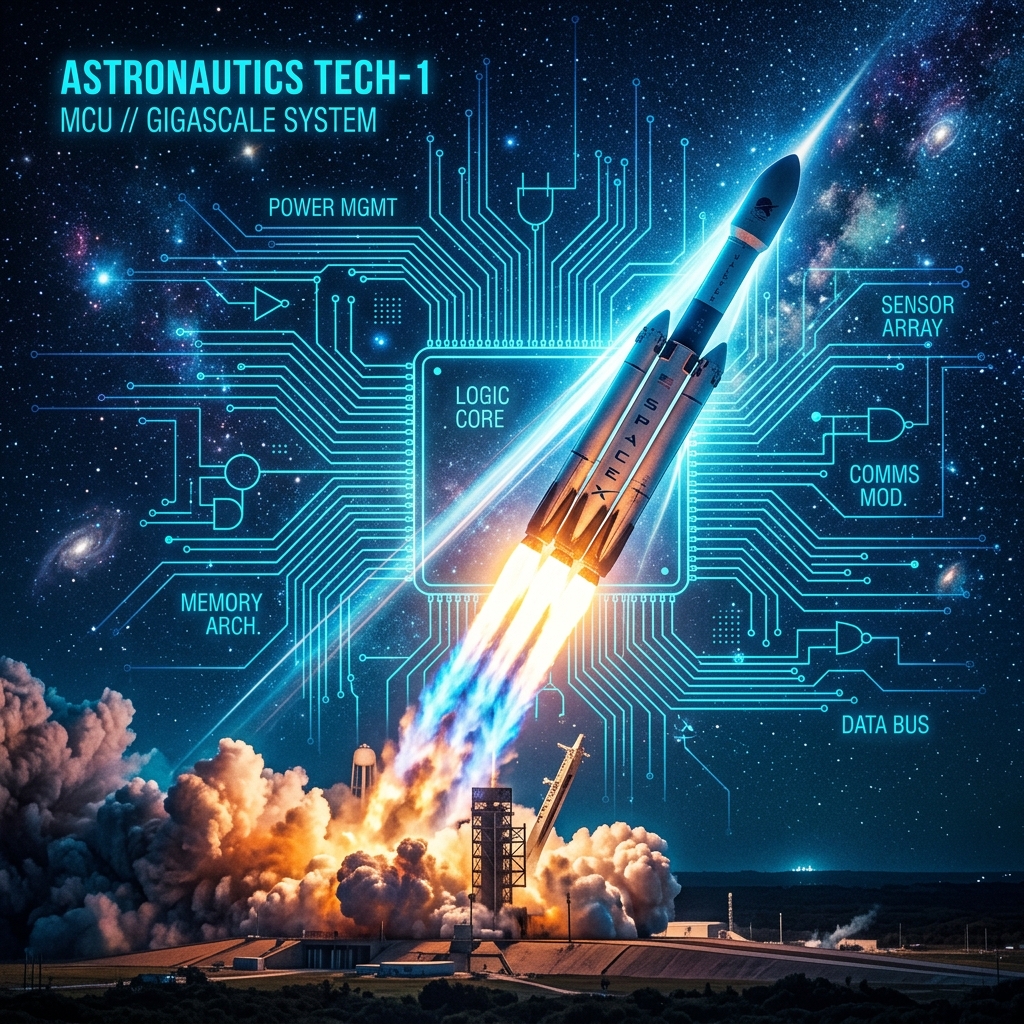
India's private space sector reaches new heights as Skyroot Aerospace prepares next-gen launch vehicles powered by indigenous rad-hardened semiconductor microchips.
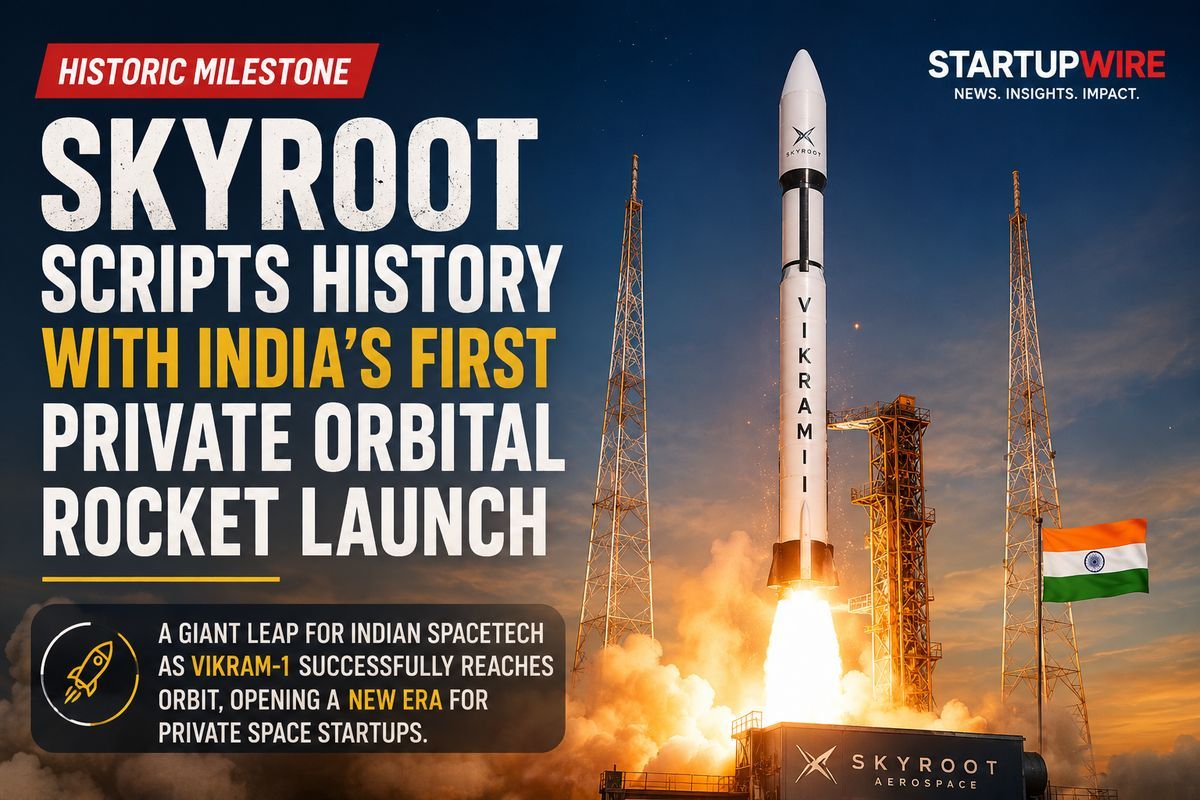
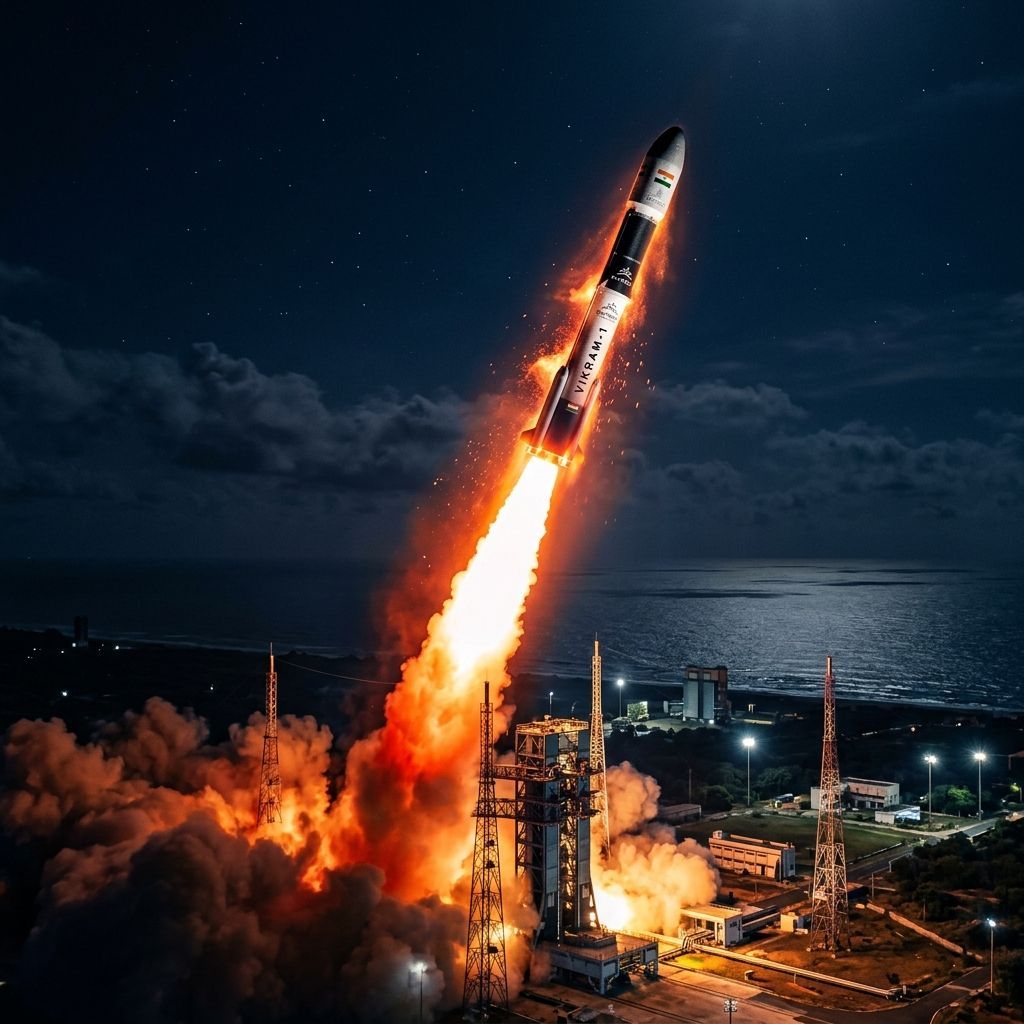
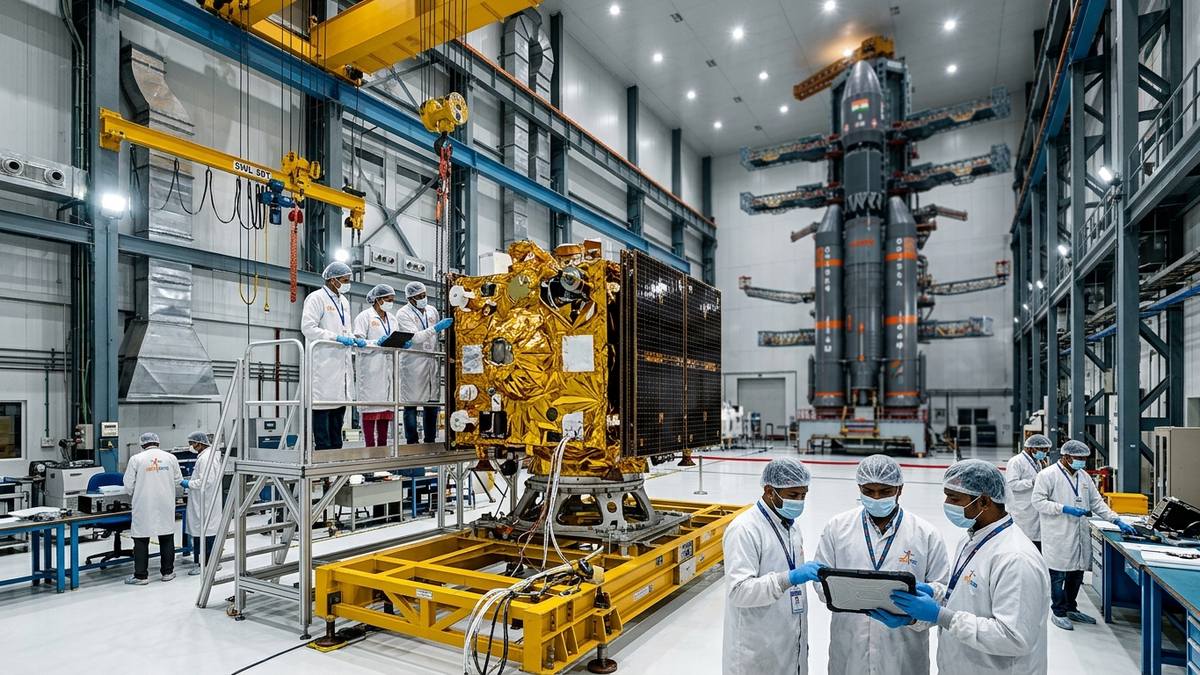
India’s commercial spaceflight ecosystem has reached another historic inflection point, as leading private spacetech pioneer Skyroot Aerospace gears up for its next orbital mission phase while complying with a new Indian Space Research Organisation (ISRO) policy mandating homegrown radiation-hardened semiconductor microchips across all domestic satellite launch vehicles.
The government directive, backed by the IN-SPACe regulatory framework, aims to insulate India's sovereign satellite launch infrastructure from global semiconductor supply chain shocks while driving commercial demand for domestic fabless chip designers.
Intent-First Overview & Avionics Mandate
Skyroot Aerospace, which made history with its Vikram series rockets, is integrating domestic 32-bit RISC-V radiation-hardened microcontrollers into its flight control computers, stage separation telemetry units, and payload deployment sequencers. The transition ensures that critical launch guidance systems operate without relying on ITAR-restricted imported space silicon.
The mandate is expected to catalyze a multi-billion dollar domestic aerospace chip market, bridging ISRO’s deep space heritage with private space enterprises.
Skyroot Launch Vehicle & Avionics Specification Matrix
| Metric / Parameter | Vikram-II Rocket Specification | Strategic & Avionics Significance |
|---|---|---|
| Payload Capacity | 480 kg to 500 km Low Earth Orbit (LEO) | Commercial small-satellite constellation launcher |
| Avionics Controller | Domestic 32-bit Rad-Hardened RISC-V SoC | Radiation resistance up to 100 kRad Total Ionizing Dose |
| Propulsion System | 3D-Printed Cryogenic & Solid Stage Motors | Carbon composite airframe with sub-3 minute burn sequence |
| Guidance System | Triple-Redundant Autonomous Flight Control | Real-time trajectory correction with sub-meter orbit precision |
| Launch Frequency | Targeting 12 Commercial Launches Annually | Modular mobile launch pad compatibility |
Accelerating the Sovereign Space Ecosystem
By replacing imported legacy space processors with indigenous silicon, Indian spacetech startups are dramatically reducing launch manufacturing lead times while boosting payload margins.
"Integrating homegrown, radiation-hardened chips into our rocket avionics proves that India's private space industry is fully capable of building end-to-end sovereign spaceflight hardware,"remarked Pawan Kumar Chandana, Co-founder & CEO of Skyroot Aerospace. "This policy mandate gives Indian chip designers a high-value launchpad to test space-grade silicon in orbit."
Strategic Context & Spacetech Momentum
Skyroot’s avionics milestone builds upon recent policy catalysts detailed in our reports on India’s Space Policy Reforms and the entrepreneurial wave highlighted in Pixxel Founder & Space Entrepreneurs Driving India’s Space Boom.
With commercial payload bookings secured from global satellite operators through 2027, Skyroot continues to lead India's private space revolution.