NXP Sees India Becoming a Smart-Tech Market: Transitioning from Global R&D Base to High-Volume Connected Devices Consumer
By Rohan Varma | Published September 18, 2026 | 8 min read
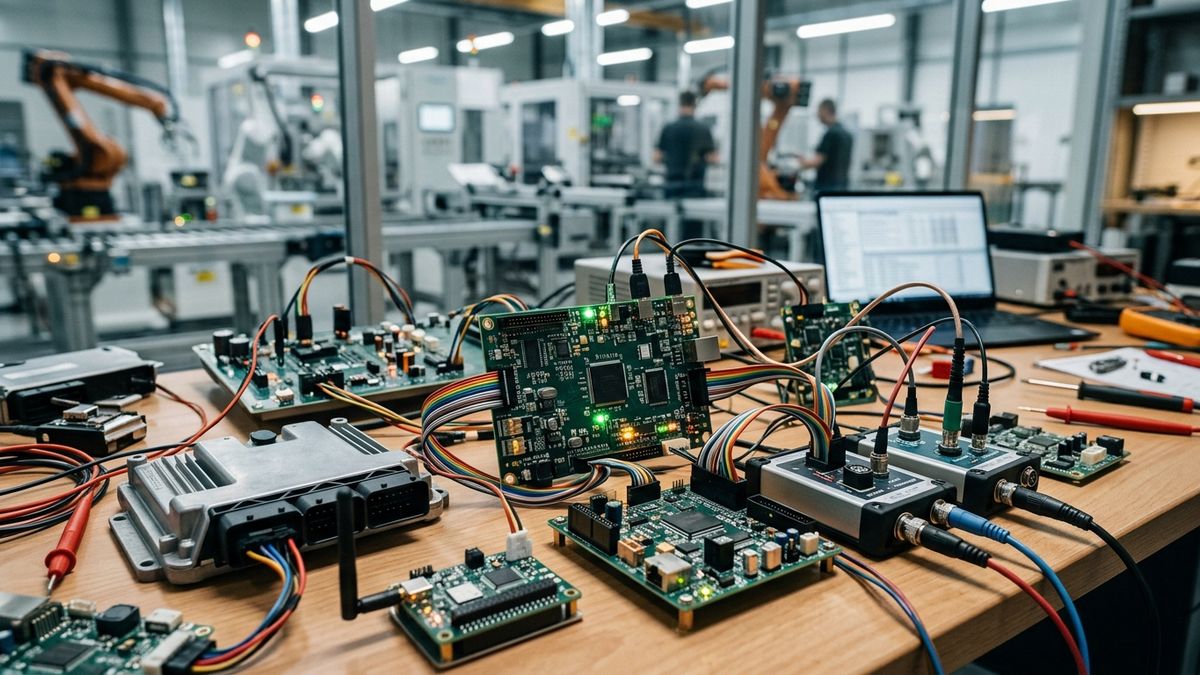
NXP Semiconductors projects India's evolution beyond an offshore engineering base into a massive domestic market for connected IoT, automotive, and industrial automation.
European automotive and industrial semiconductor powerhouse NXP Semiconductors has declared that India is undergoing a decisive market pivot—rapidly transitioning from its historical standing as an offshore research and development base into one of the world's most lucrative, high-volume consumer markets for smart connected devices, software-defined mobility, and automated industrial systems. Speaking on the rapid digitization of India's physical economy, NXP leadership noted that the combination of national infrastructure modernisation, electric vehicle adoption, and industrial automation is driving unprecedented domestic demand for microcontrollers, smart radar sensors, and secure edge processors.
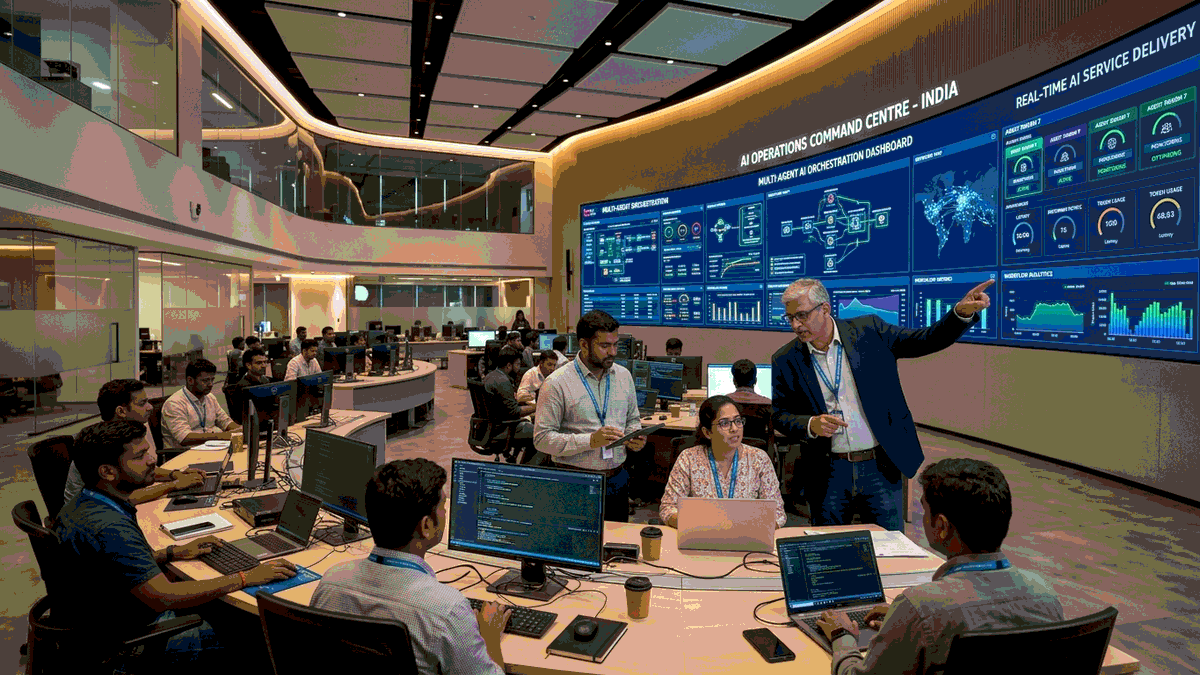
For decades, NXP’s massive design centres in Noida, Bengaluru, and Hyderabad served primarily as offshore engineering powerhouses, designing microcontrollers and automotive software stacks exported to North America, Germany, and Japan. Today, the consumption dynamic has flipped: Indian automakers, industrial manufacturers, power utilities, and consumer electronics brands are procuring smart silicon at volumes that rival mature Western markets.
Key Vectors Driving India's Smart-Tech Consumption Boom
The surge in domestic semiconductor consumption is being propelled by three macro-scale industrial transformations:
1. The Smart Energy Metering Revolution
Under the government’s Revamped Distribution Sector Scheme (RDSS), India is aggressively replacing 250 million legacy electromechanical electricity meters with intelligent, connected smart meters. Each smart meter requires specialized microcontrollers, secure payment crypto-elements, and RF/cellular communication modules to enable real-time telemetry, anti-tamper monitoring, and automated billing.2. Electric Vehicles and Software-Defined Mobility
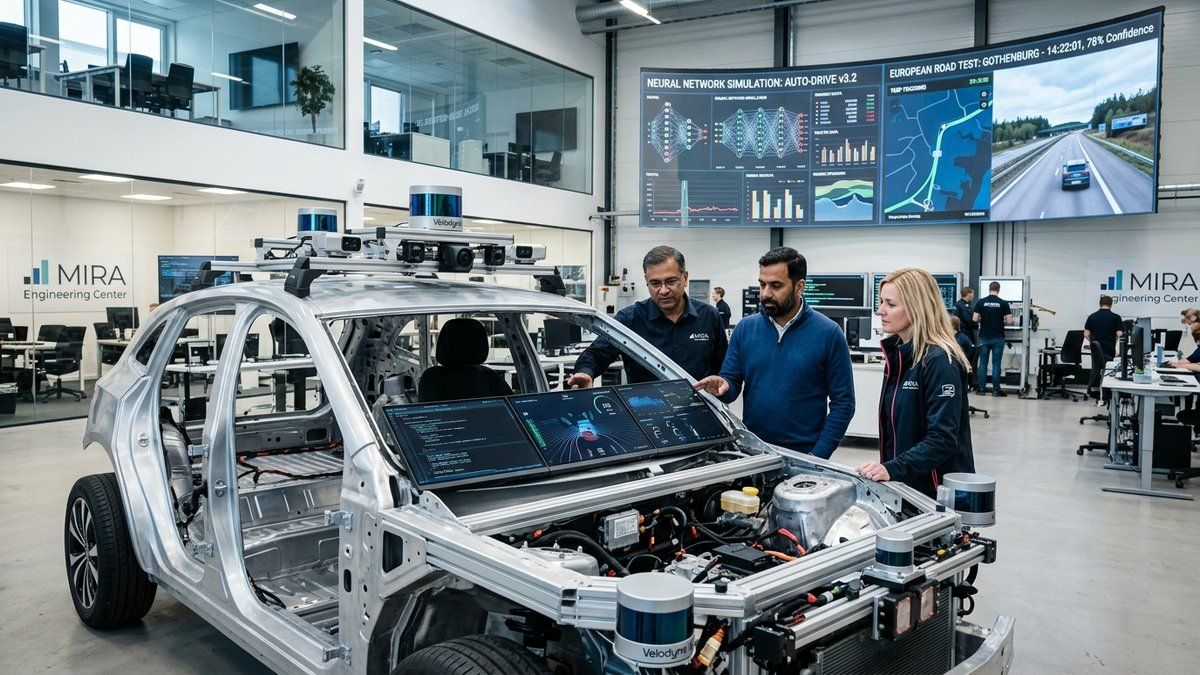
India's electric two-wheeler and four-wheeler ecosystem has expanded into one of the world's most competitive transportation corridors. Modern EVs require advanced electronic control units (ECUs) for: * Battery Management Systems (BMS): Precision voltage and thermal monitoring per cell to prevent thermal runaway. * Vehicle Control Units (VCUs): Harmonizing regenerative braking, motor torque response, and power distribution. * Digital Cockpits and Telematics: 4G/5G connected instrument clusters offering real-time navigation, OTA firmware updates, and cloud diagnostics.This automotive transformation aligns directly with industry expansions such as Coforge adding 300 automotive engineers for software-defined vehicles and EV architectures and domestic precision manufacturers moving into high-tech tooling.
3. Factory Automation and Physical IoT
Domestic manufacturing facilities across textiles, pharmaceuticals, automotive assembly, and food processing are deploying networked sensors, multi-axis robotic arms, and machine-vision cameras to compete globally, driving domestic demand for industrial microprocessors."India is no longer just our design workbench; it is becoming one of our most strategic, fastest-growing commercial markets,"stated NXP executive management during a recent industry briefing. "From 250 million smart meters to connected two-wheelers and automated industrial plants, the volume of smart, secure, connected silicon being deployed domestically in India over the next five years is staggering."
Designing for India: Ruggedized Silicon Architectures
Crucially, the Indian smart-tech market requires silicon engineered for unique operating environments. Power grid voltage fluctuations, extreme summer temperatures exceeding 48°C, high humidity, and dust require ruggedized physical designs.
NXP’s domestic engineering teams are developing custom silicon variants tailored specifically for the Indian operating reality:
* Wide-Voltage Input Microcontrollers: Surviving sudden voltage surges and brownouts common in rural sub-transmission grids.
* Thermally Hardened Radar and BMS Silicon: Operating with zero performance degradation across extreme thermal swings without requiring expensive liquid cooling.
* Secure Element NFC & Contactless Modules: Enabling sub-second biometric and UPI transactions at toll plazas, metro turnstiles, and merchant POS terminals.
These advances dovetail with national testing and packaging initiatives, including Teradyne opening advanced test facilities in Bengaluru and Micron scaling up its Sanand memory packaging operations.
Market Growth Matrix: India’s Smart-Tech Silicon Demand (2024–2030)
The table below outlines the core market segments driving domestic semiconductor consumption and NXP’s strategic architectural alignment:
| Market Vertical | Primary Domestic Growth Driver | Key Silicon Architecture | Projected Segment CAGR (2025–2030) |
|---|---|---|---|
| Smart Grid & Utilities | 250M Smart Meter RDSS Rollout | 32-bit Secure Microcontrollers & RF | 28.5% YoY |
| Electric Two-Wheelers | 30%+ Electric Penetration by 2030 | High-Voltage BMS & Dual-Core VCUs | 34.2% YoY |
| Passenger SDVs & ADAS | Mandatory Safety Norms & Autonomous | 77GHz Radar Transceivers & Domain Processors | 26.0% YoY |
| Industrial IoT & Robotics | Make in India Factory Automation | Real-Time Industrial Ethernet Controllers | 22.8% YoY |
| Digital Payments & Transit | National Common Mobility Card (NCMC) | Contactless Secure Elements & NFC | 19.5% YoY |
Strategic Shift: From Cost Arbitrage to Market Proximity
The transition of multinational semiconductor leaders like NXP to viewing India as a tier-one consumption market has profound economic implications. Historically, multinational firms located design centres in India primarily to leverage engineering cost arbitrage. Today, proximity to Indian OEMs—who are conceptualizing and building products specifically for emerging global markets—is the primary strategic imperative.
Indian engineering teams now interact directly with domestic automotive and industrial clients to co-develop custom silicon, dramatically shortening the prototype-to-commercialisation cycle.
Future Outlook: The Connected Hardware Renaissance
NXP’s assessment signals the arrival of a connected hardware renaissance across India. As the country builds out its physical infrastructure with embedded intelligence, domestic demand will create a robust, self-sustaining commercial ecosystem where chips designed in Bengaluru and packaged in Sanand will power devices deployed across millions of Indian homes, vehicles, and smart factories.