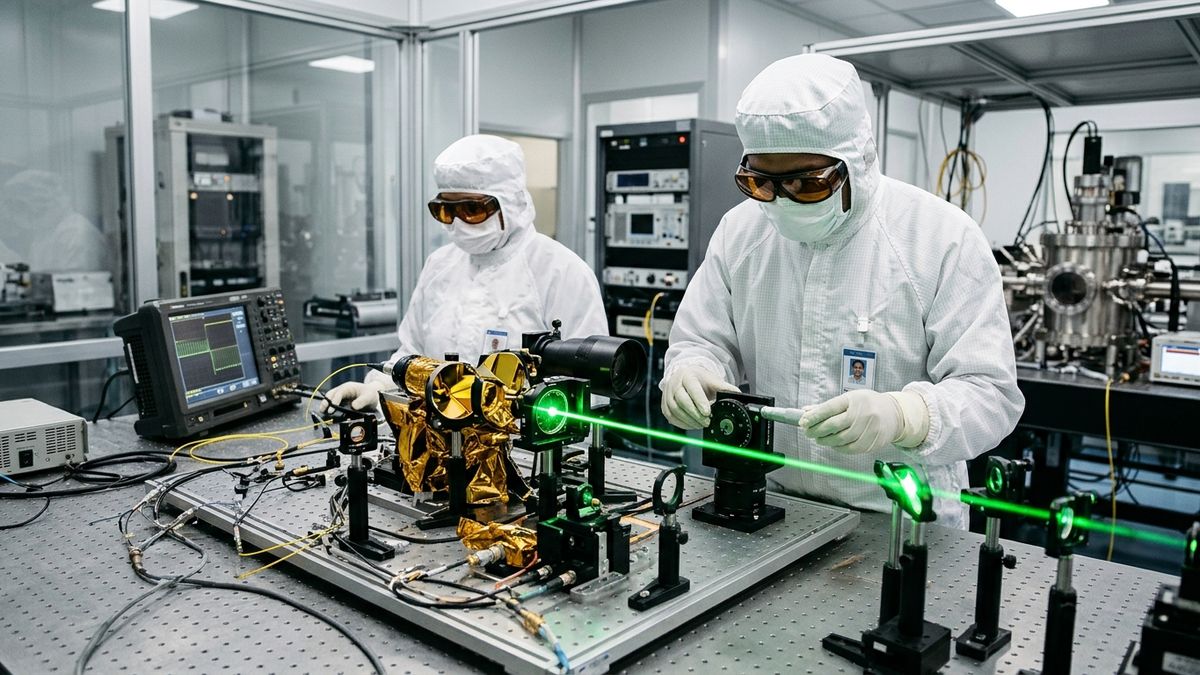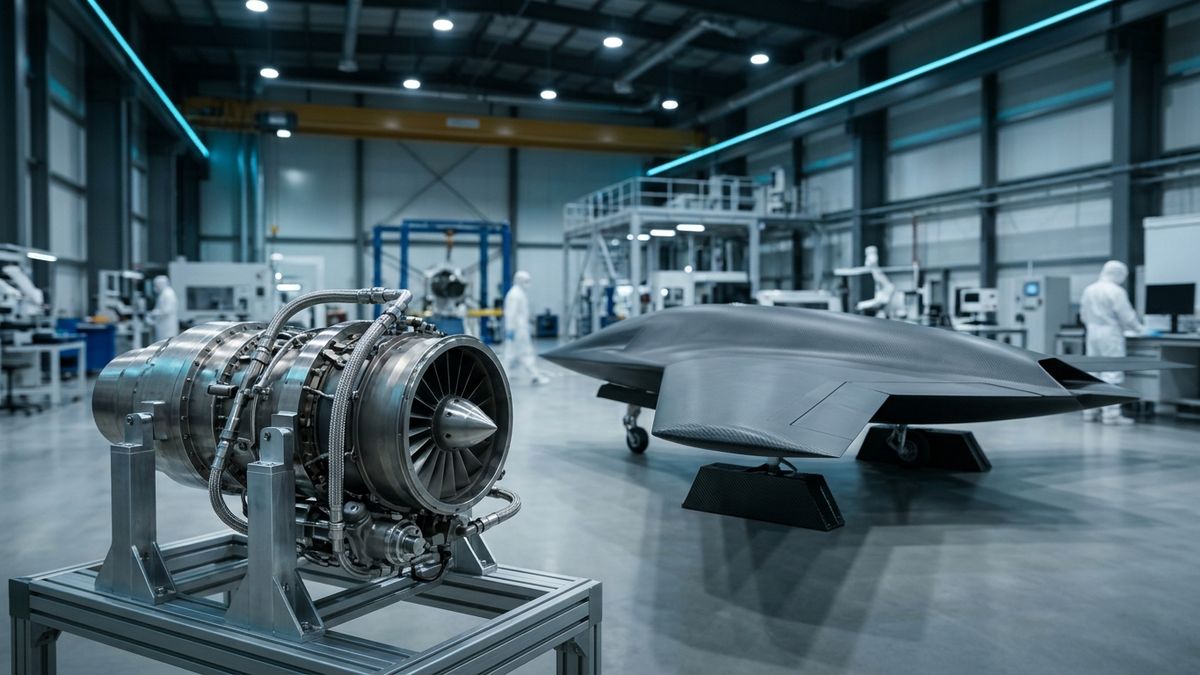
Bengaluru deeptech startup Green Aero Propulsion has raised $14 million in Series A funding led by Crane Ventures to commercialize indigenous jet engines and collaborative combat drones.
Executive Key Takeaways
- Bengaluru-based Green Aero Propulsion raised $14 million in Series A financing led by Crane Ventures, with 3one4 Capital, Antler Elevate, pi Ventures, Antler India, and Rebalance participating.
- Founded by Dr. Prithwish Kundu, the startup develops indigenous small-class jet engines—including its Blue Dragon turbojet core—alongside transonic/supersonic drones and Collaborative Combat Aircraft (CCAs).
- Fresh capital will expand propulsion test cells, grow engineering headcount, and accelerate flight qualification and commercialization over the next 12 to 18 months.
Green Aero Propulsion, a Bengaluru-based aerospace and defense deeptech startup, has raised $14 million in Series A funding to accelerate the commercialization of indigenous small-class jet engines and autonomous Collaborative Combat Aircraft (CCAs). The financing—one of the largest private venture rounds in India's aero-propulsion sector—was led by Crane Ventures, with participation from new investors 3one4 Capital and Antler Elevate, alongside returning backers pi Ventures, Antler India, and Rebalance.
Founded by propulsion researcher Dr. Prithwish Kundu, Green Aero addresses one of the most closely guarded bottlenecks in modern aviation and defense: sovereign turbine propulsion. While India's private space and aerial ecosystems have matured rapidly—as seen in GalaxEye and Bellatrix Aerospace's electric propulsion pact and the Indian Air Force's indigenous AI aerospace push—domestic access to flight-qualified micro-turbojet and high-thrust drone engines has remained heavily import-dependent.
From Micro-Turbojets to Collaborative Combat Aircraft
Green Aero's engineering stack spans both core propulsion hardware and complete unmanned airframe integration. Its flagship Blue Dragon turbojet engine core is engineered for high thrust-to-weight efficiency, thermal durability, and compatibility with alternative and low-carbon aviation fuels, including hydrogen.
Over the next 12 to 18 months, the company will deploy the $14 million Series A capital across four operational priorities:
- Propulsion Test Infrastructure: Expanding high-altitude and sea-level jet engine test cells in Bengaluru to shorten qualification cycles.
- Engine Commercialization: Scaling manufacturing readiness for small-class turbojets powering target drones, loitering munitions, and high-speed UAVs.
- CCA Flight Qualification: Advancing autonomy, sensor fusion, and airframe integration for transonic and supersonic Collaborative Combat Aircraft.
- Engineering Talent Expansion: Recruiting aerodynamicists, turbomachinery specialists, and flight-control software engineers.
"Propulsion is the hardest and most strategic layer of aerospace sovereignty. Building reliable, high-efficiency jet cores in India unlocks an entire generation of autonomous combat and commercial aerial platforms,"noted defense-tech venture analysts tracking the Series A close.
Why Collaborative Combat Aircraft Matter Now
Modern air forces are shifting toward manned-unmanned teaming, where autonomous CCAs—often called "loyal wingmen"—fly ahead of or alongside crewed fighter aircraft. Equipped with modular payloads, these platforms absorb high-risk reconnaissance, electronic warfare, and strike missions while keeping human pilots out of contested airspace.
| Strategic Dimension | Legacy Import Model | Green Aero Indigenous Stack |
|---|---|---|
| Propulsion Supply Chain | Foreign OEMs with export controls | Sovereign Bengaluru design and test cells |
| Core Engine Architecture | Conventional kerosene-only turbines | Blue Dragon core with multi-fuel/hydrogen readiness |
| Platform Integration | Siloed airframe and engine vendors | Vertically integrated engine + CCA airframe |
| Capital Backing | Slow PSU-only R&D cycles | $14M Series A institutional VC velocity |
Institutional Deeptech Momentum in India
Green Aero's round underscores a decisive shift in Indian venture capital toward capital-intensive hardware and defense manufacturing. Alongside dedicated vehicles like CortexSpark's ₹1,000 crore DeepTech fund and BEL's AI-native air defence network, private aero-propulsion startups are now securing the multi-year patient capital required to move from laboratory prototypes to flight-certified defense hardware.
Frequently Asked Questions
How much funding did Green Aero raise and who led the round?
Green Aero Propulsion raised $14 million in a Series A round led by Crane Ventures, with participation from 3one4 Capital, Antler Elevate, pi Ventures, Antler India, and Rebalance.
What aerospace technologies does Green Aero build?
Green Aero designs and manufactures indigenous small-class jet engines (including the Blue Dragon turbojet core), transonic and supersonic unmanned aerial vehicles, and autonomous Collaborative Combat Aircraft (CCAs) with multi-fuel and hydrogen compatibility.
How will Green Aero deploy the $14 million Series A capital?
Over the next 12 to 18 months, Green Aero will expand its jet engine testing infrastructure in Bengaluru, hire specialized propulsion and autonomy engineers, commercialize existing engine lines, and advance flight qualification for its CCA platforms.
Why are Collaborative Combat Aircraft strategic for Indian defense?
Collaborative Combat Aircraft (CCAs) act as autonomous loyal-wingman drones that fly alongside manned fighter jets, multiplying air-combat reach, electronic warfare capacity, and attrition resilience at a fraction of manned-aircraft cost.
Primary Sources & Official References
- Green Aero Propulsion Series A Financing & CCA Roadmap: Green Aero Propulsion, 2026 (greenaero.in)
- Indigenisation of Aero-Propulsion & Unmanned Combat Systems Framework: Ministry of Defence / iDEX, 2026