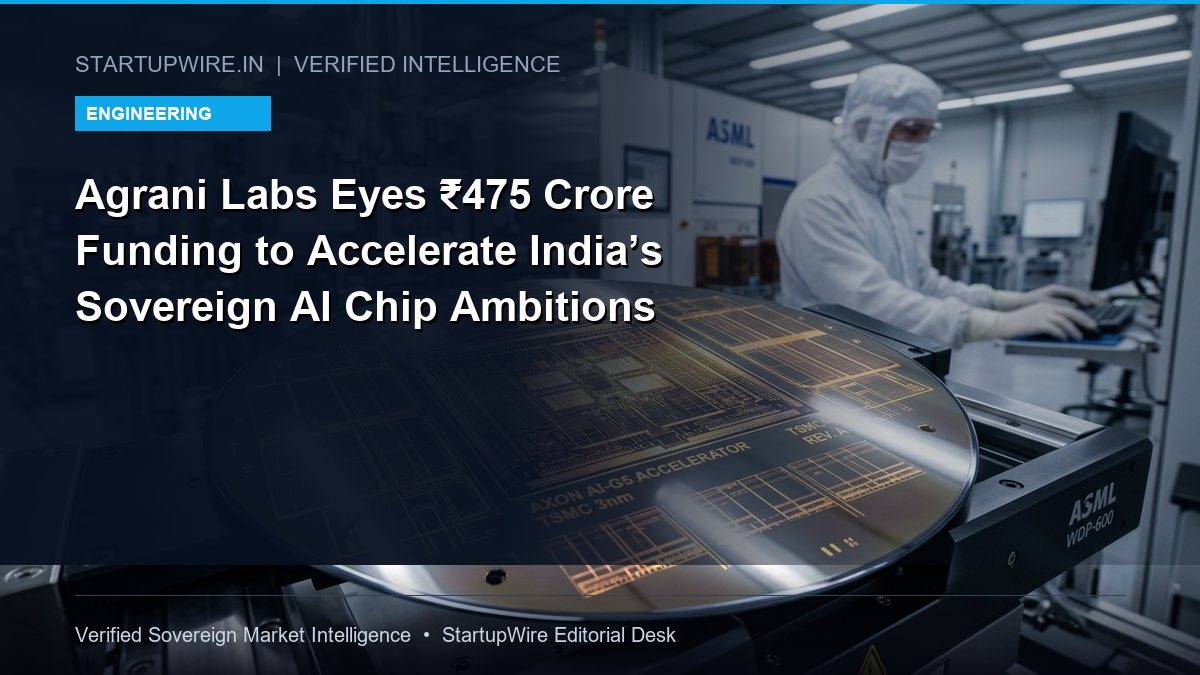
India Accelerates Integrated AI and Semiconductor Push to Build Sovereign Hardware-to-Software Stack
By Rohan Varma | Published August 14, 2026 | 7 min read
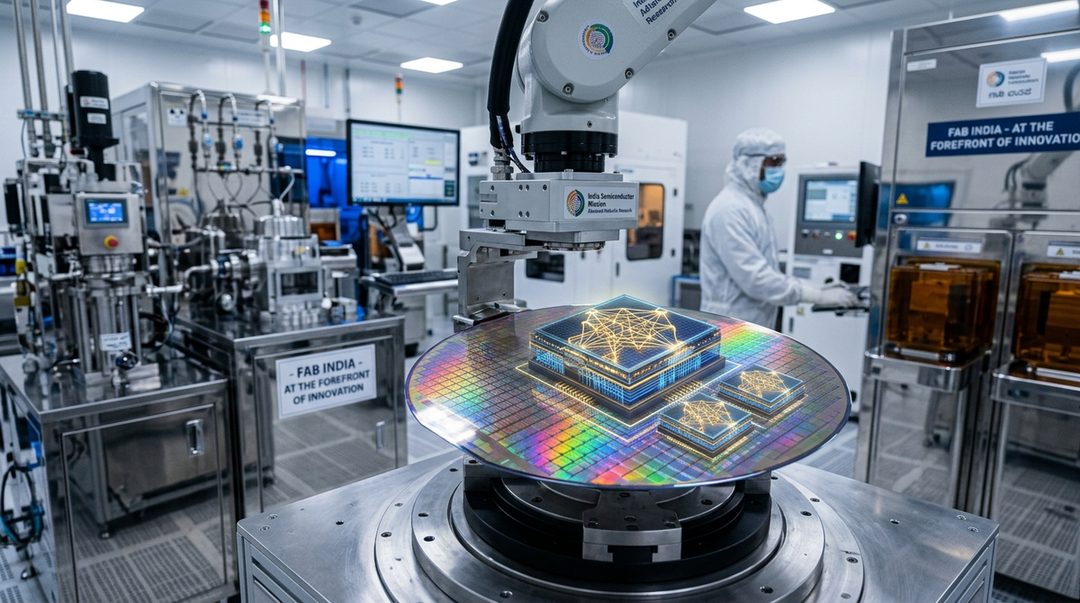
India synchronizes the India Semiconductor Mission and IndiaAI initiatives to build a vertically integrated hardware, OSAT packaging, and compute fabric.
The Government of India has initiated a strategic synchronization of its two most ambitious technology mandates: the India Semiconductor Mission (ISM) and the IndiaAI Mission. By uniting silicon chip fabrication, advanced OSAT packaging, fabless processor design, and foundational AI software under an integrated national policy architecture, India is accelerating its mission to build a sovereign, vertically integrated technology stack.
The unified roadmap aims to overcome geopolitical supply chain vulnerabilities, insulate critical digital infrastructure from international hardware embargoes, and establish domestic manufacturing capabilities for the microprocessors powering enterprise AI, telecommunications, automotive mobility, and defense systems.
Building the Full-Stack Silicon Ecosystem
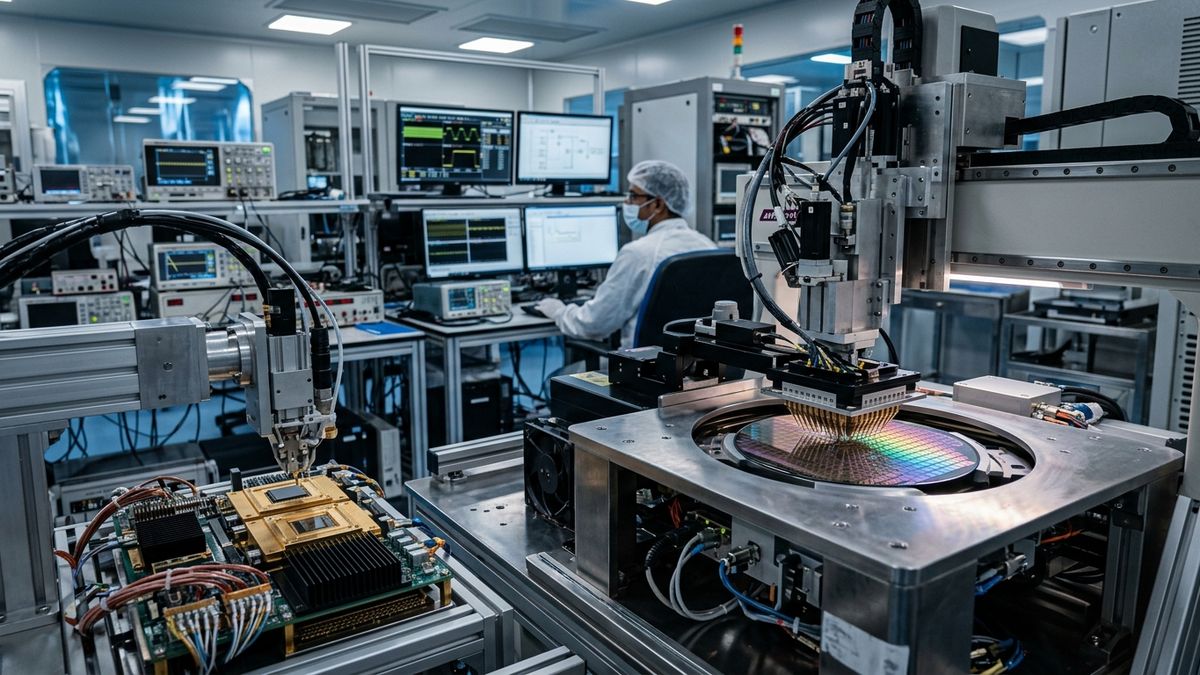
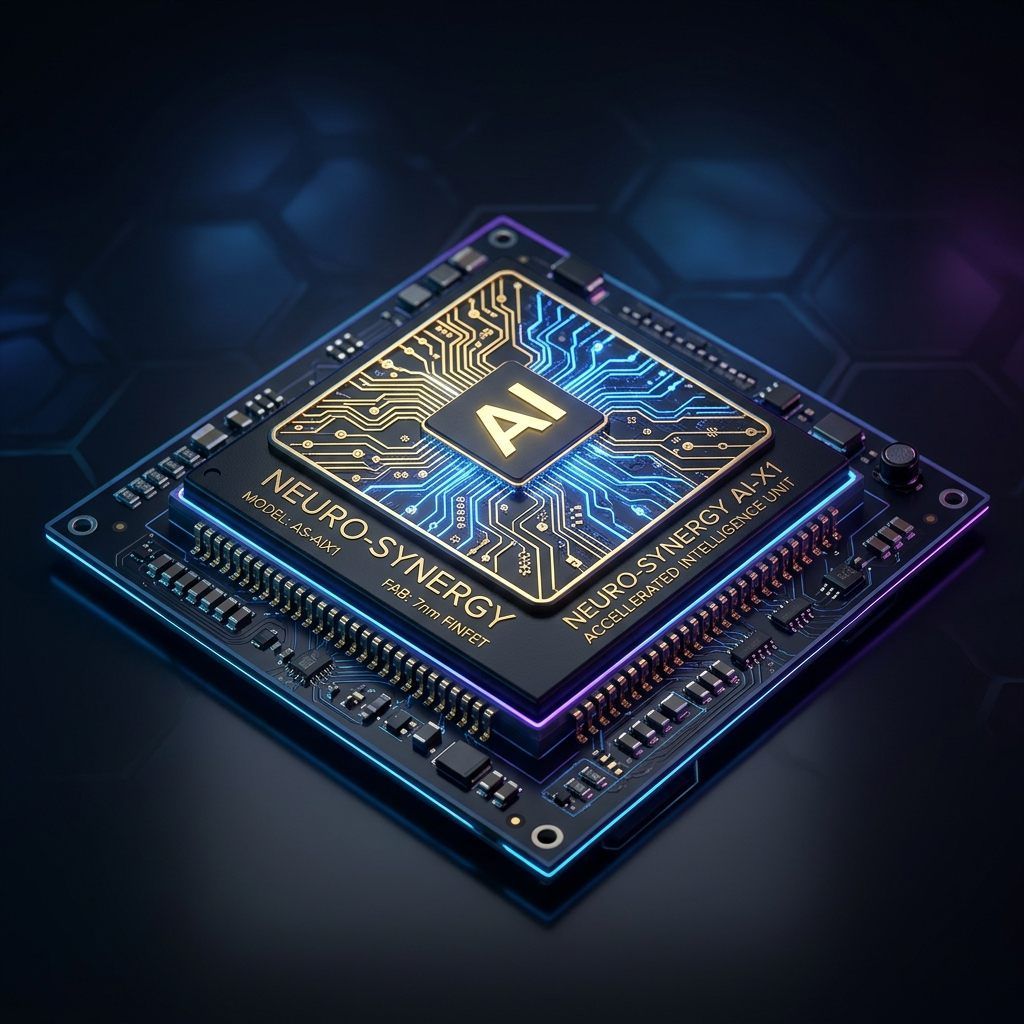
Historically, technology ecosystems were fractured between software engineering services and imported physical hardware. India’s synchronized initiative bridges this divide by incentivizing domestic fabless design startups to develop custom RISC-V and ARM-based AI accelerators that can be fabricated and packaged within domestic manufacturing facilities.
Under the expanded policy guidelines, the government is providing up to 70% combined central and state capital subsidies for semiconductor fabrication plants (fabs), OSAT units, and specialized compound semiconductor facilities producing silicon carbide (SiC) and gallium nitride (GaN) components.
"A nation that does not control its hardware compute cannot guarantee the sovereignty of its artificial intelligence,"declared Ashwini Vaishnaw, Union Minister for Electronics and IT. "By aligning our semiconductor manufacturing incentives directly with our national AI infrastructure requirements, we are ensuring that India’s future software breakthroughs run on silicon designed, manufactured, and packaged on Indian soil."
This integrated approach builds directly upon the milestone venture investments detailed in our report on Indian semiconductor startups raising $61.9M and industrial progress on Gujarat's RISC-V IoT silicon chips.
Integrated Hardware-Software Architecture Matrix
India's synchronized AI and semiconductor roadmap encompasses multiple layers of the technological stack:
| Technology Layer | Core National Initiative | Key Projects & Manufacturing Nodes | Strategic Outcome |
|---|---|---|---|
| Foundation Silicon Fabs | India Semiconductor Mission (ISM) | Tata Electronics Dholera Fab (28nm/40nm/90nm) | Commercial supply for automotive, IoT, and power chips |
| Advanced OSAT Packaging | Packaging Linked Incentive (PLI) | Micron Sanand, Tata OSAT Morigaon, CG Semi | Domestic 2.5D/3D advanced packaging and chiplet assembly |
| Fabless AI Silicon Design | Design Linked Incentive (DLI) | Mindgrove, InCore, Netrasemi, Morphing Machines | RISC-V edge AI accelerators and vision processing units |
| Sovereign AI Compute Fabric | IndiaAI Compute Portal | National GPU clusters (15,000+ GPUs) | Subsidized high-performance compute for researchers |
| Academic Silicon R&D | Chips to Startup (C2S) Program | IIT Delhi, IIT Madras, IISc Silicon Labs | Training 85,000 specialized VLSI and chip engineers |
Fostering Domestic Fabless Startups
A critical pillar of the integrated push is the Design Linked Incentive (DLI) scheme, which reimburses up to 50% of eligible design expenditure and EDA (Electronic Design Automation) tool licensing costs for Indian chip startups. Academic institutions like IIT Delhi and IIT Madras are collaborating closely with private startups to tape out energy-efficient RISC-V processor cores optimized for transformer models and edge intelligence, as highlighted in IIT Delhi's fabless chip design breakthrough.
By lowering the capital expenditure barriers to chip tape-outs, Indian engineers are designing custom silicon for drone flight controllers, automotive ADAS sensors, and high-efficiency smart meters that consume a fraction of the power of imported legacy microcontrollers.
Long-Term Strategic and Geopolitical Resilience
The confluence of domestic semiconductor packaging facilities coming online and large-scale AI data centres ensures that India is building enduring technological autonomy. As global demand for computational power surges exponentially, an integrated semiconductor-to-software ecosystem positions India not just as a consumer of global tech, but as a critical, indispensable anchor of the global technology supply chain.