India's startup ecosystem undergoes a generational pivot as venture capital reallocates from consumer software to hard physical engineering, space satellites, robotics, and advanced hardware.
Executive Key Takeaways
- India's startup ecosystem undergoes a generational pivot as venture capital reallocates from consumer software to hard physical engineering, space satellites, robotics, and advanced hardware.
- The easy era of slapping a mobile UI on a local delivery business or building an email marketing SaaS is over, remarked a prominent deeptech venture partner. The most valuable global companies of the next half-century will be those that solve difficult physical equations—mastering thermal dissipation in space, robotic dexterity in confined pipes, and sovereign microelectronics. India has the thermodynamic, mechanical, and aerospace engineers to lead this global hard-tech transition.
- Key Benchmark: **Primary Moat** — Network effects & marketing burn (Low defensibility)
NEW DELHI — In what marks the most profound structural maturation of the Indian technology ecosystem in three decades, venture capital deployment, founder ambition, and institutional policy in India are decisively pivoting away from pure consumer software and asset-light SaaS toward hard physical engineering, space satellites, robotics, and advanced hardware.
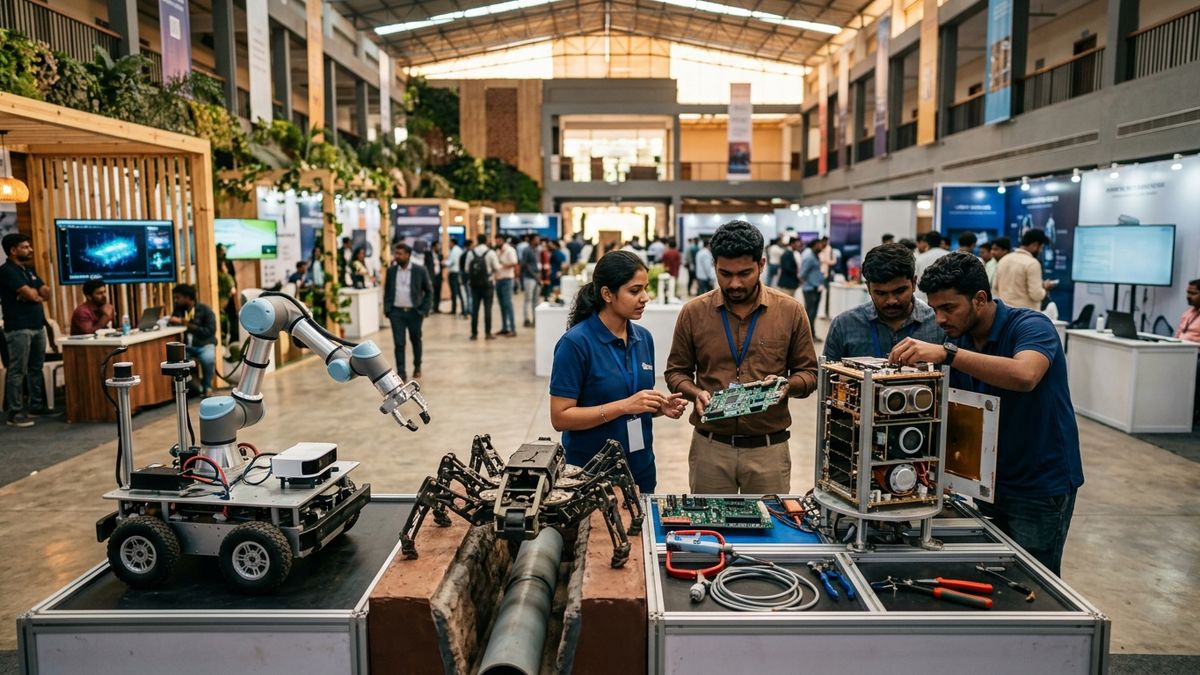
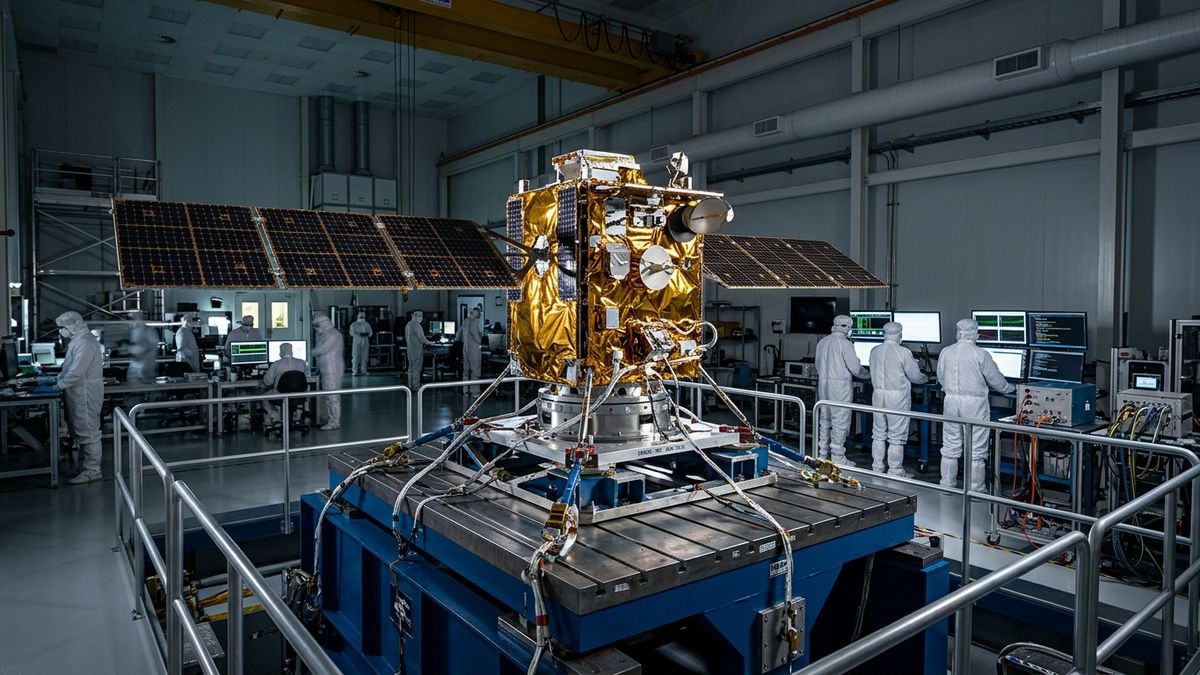
While India previously established its global reputation as the back-office software capital of the world, the 2026 venture narrative is dominated by companies that build tangible physical products solving complex engineering problems. Over 440 space-tech and hard-engineering startups are now commercially active across Bengaluru, Hyderabad, Chennai, and Pune, developing liquid-propellant rocket stages, radiation-hardened satellite microprocessors, sub-millimeter industrial robotics, and autonomous electric flight platforms.
This inflection point is underpinned by institutional funding milestones, including InspeCity’s ₹100 Crore Space Servicing Round, indigenous chip breakthroughs explored in Made-in-India Chips Power Major Space Missions, and broader venture reallocation detailed in Deeptech Draws Growing Investor Attention: Why VCs Are Shifting Billions into Hard-Tech.
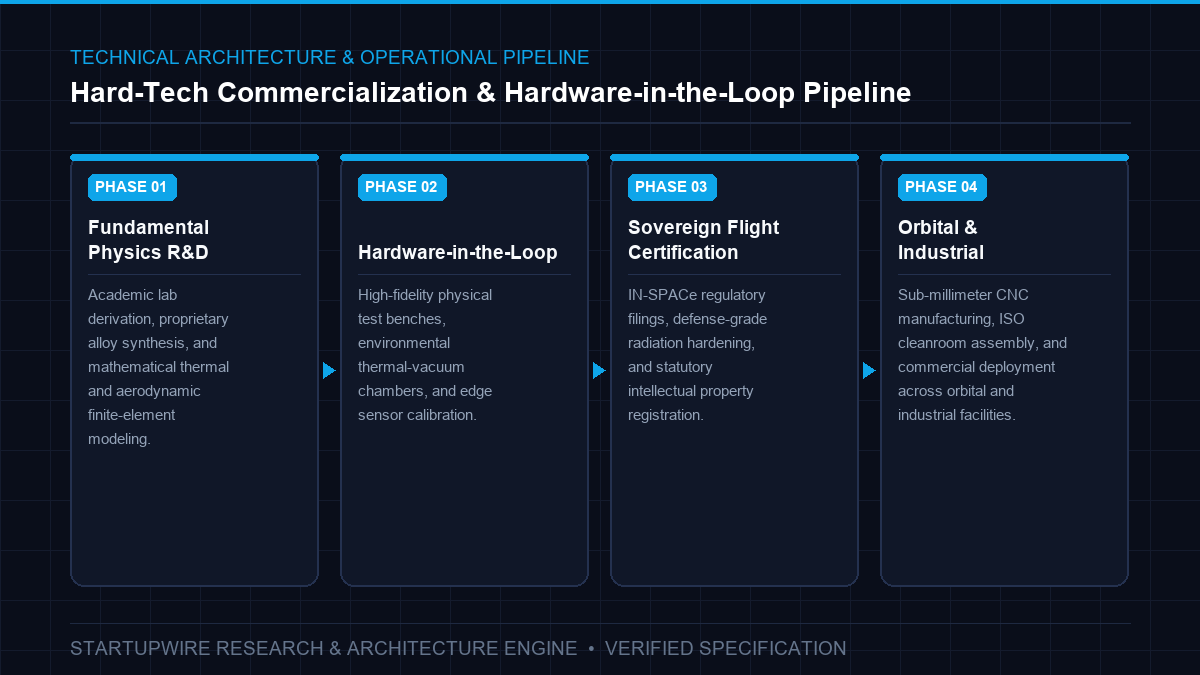
The Exhaustion of the Software Arbitrage Model
For over a decade, Indian venture capital flowed disproportionately into consumer internet aggregators, quick-commerce clones, and thin SaaS wrappers around foreign cloud databases. However, multiple factors have exhausted that playbook:
1. Compressed Margins in Consumer Tech: Customer acquisition costs (CAC) in domestic consumer internet have skyrocketed while lifetime values (LTV) remain constrained.
2. Global SaaS Saturation: The emergence of autonomous coding agents and commoditized cloud APIs has lowered the barrier to building software, erasing traditional software moats.
3. Geopolitical Urgency for Sovereign Hardware: Global supply chain shocks, export restrictions on advanced semiconductors, and escalating space militarization have made physical hardware manufacturing a critical national imperative.
As a result, India's premier engineering talent from IITs and IISc is no longer flocking exclusively to algorithmic ad tech. Instead, multidisciplinary engineering teams are building orbital life-extension tugs, autonomous underwater vehicles, and advanced gallium nitride (GaN) power semiconductors.
"The easy era of slapping a mobile UI on a local delivery business or building an email marketing SaaS is over,"remarked a prominent deeptech venture partner. "The most valuable global companies of the next half-century will be those that solve difficult physical equations—mastering thermal dissipation in space, robotic dexterity in confined pipes, and sovereign microelectronics. India has the thermodynamic, mechanical, and aerospace engineers to lead this global hard-tech transition."
Comparative Benchmark: Consumer SaaS vs. Hard-Tech Advanced Engineering
The operational and financial divergence between traditional consumer software and advanced engineering ventures is outlined below:
| Structural Parameter | Consumer Software & Thin SaaS (2015–2023) | Advanced Hard-Tech & Spacetech (2026 Paradigm) | Ecosystem Impact |
|---|---|---|---|
| Primary Moat | Network effects & marketing burn (Low defensibility) | Patented physics IP, complex tooling & flight heritage | Virtually insurmountable technical barriers to entry |
| Capital Gestation Cycle | 12 – 18 Months to MVP launch | 36 – 48 Months of R&D and hardware-in-the-loop testing | Requires disciplined, patient institutional capital |
| Gross Margin Profile | 70 – 85% initially (Eroded by cloud bills & sales spend) | 40 – 60% initial hardware, rising to 85% with recurring data/services | Sustainable, defensible long-term enterprise value |
| Customer Concentration | Highly fragmented retail churn | Sovereign governments, defense agencies, global space primes | Multi-year, high-value sovereign contracts ($10M–$100M+) |
| National Strategic Alignment | Negligible (Often increases foreign cloud import dependency) | Direct alignment with Make-in-India, IN-SPACe & defense autonomy | Eligible for substantial sovereign production-linked incentives |
| Valuation Multiple Durability | Vulnerable to commoditization and open-source models | Tied to physical assets, proprietary patents, and mission clearances | Resilient through macro economic and tech market cycles |
Institutional Tailwinds: IN-SPACe and National Deep Tech Policy
The hard-tech shift is accelerated by visionary statutory frameworks. The operationalization of IN-SPACe (Indian National Space Promotion and Authorization Center) has dismantled bureaucratic bottlenecks, granting private startups direct access to ISRO’s world-class test facilities, launchpads, and satellite integration chambers.
Simultaneously, the National Deep Tech Startup Policy has provided structured tax credits for long-gestation R&D, expedited patent approvals down to under six months, and encouraged public procurement guidelines that mandate sovereign domestic sourcing for strategic aerospace and defense components.
With Skyroot Aerospace achieving unicorn valuation and startups like InspeCity, Agnikul, and Armatrix delivering world-first mechanical and orbital innovations, India is rapidly demonstrating that its engineering destiny lies beyond writing code—in shaping the physical infrastructure of orbit, silicon, and advanced robotics.