Nava Eyes $200M for AI Data Centres: Greenoaks in Talks to Anchor Hyperscale Expansion
By Sanjay Patel | Published September 28, 2026 | 8 min read
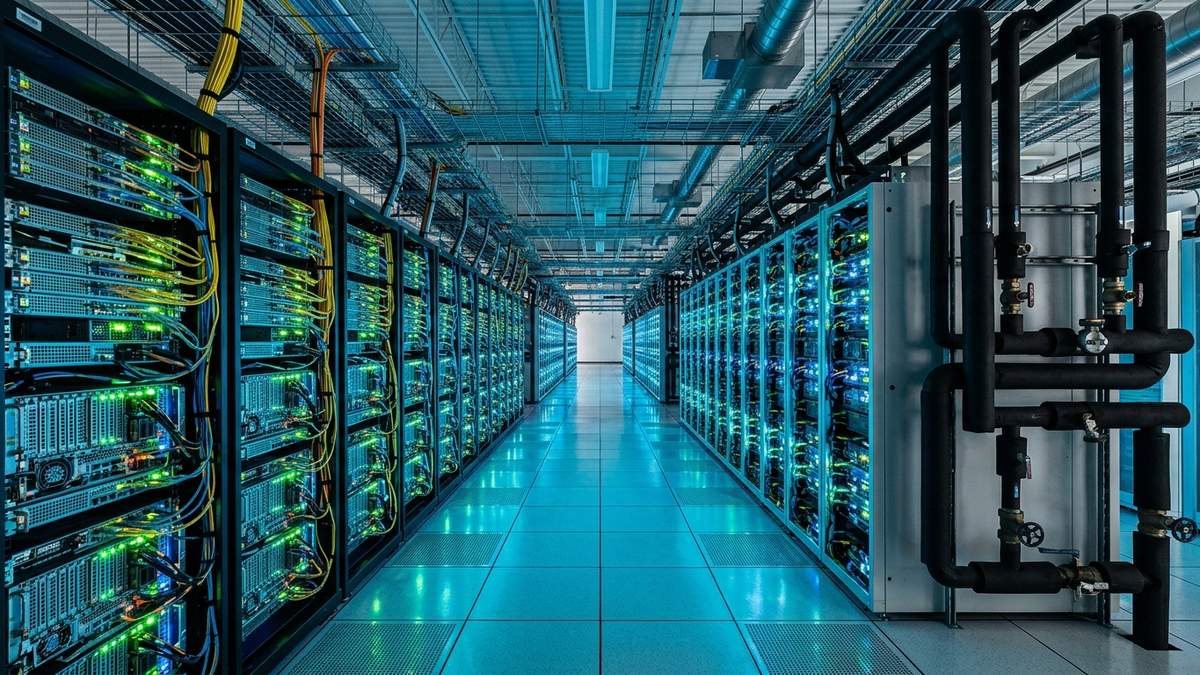
AI data center startup Nava, founded by a former OYO executive, is in advanced discussions to raise $200 million from Greenoaks to build high-density GPU campuses in India.
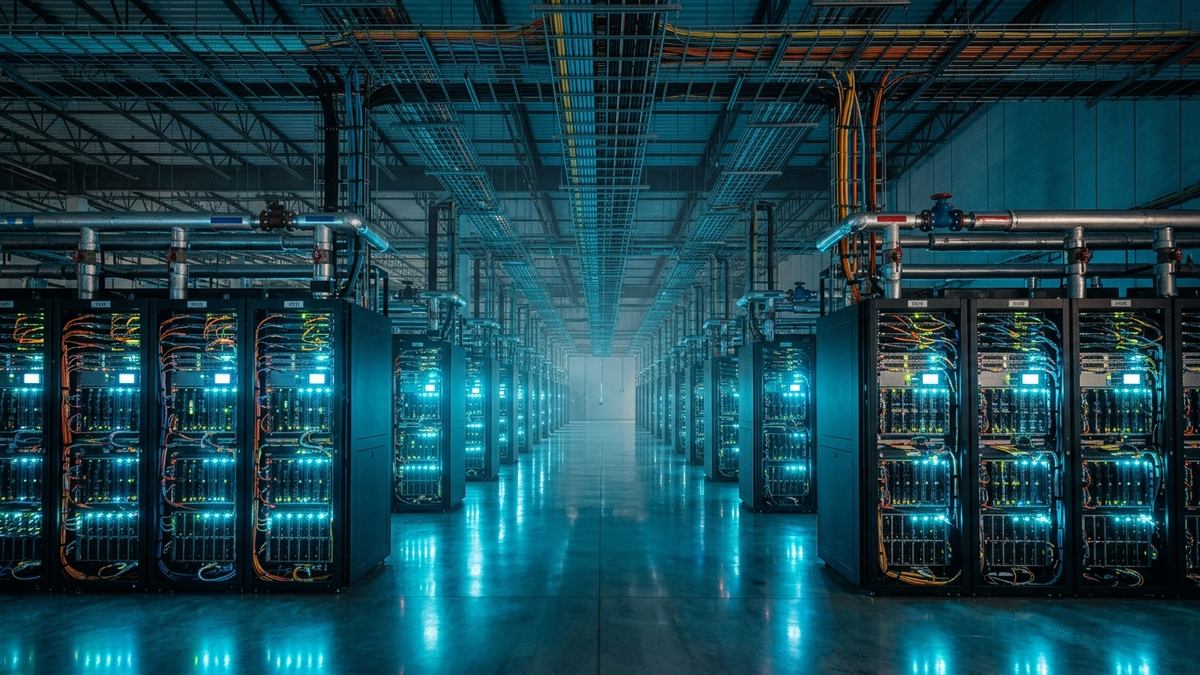
AI infrastructure startup Nava, established by a former senior executive of Indian hospitality unicorn OYO, is in advanced discussions to raise $200 million in a marquee funding round led by Silicon Valley investment firm Greenoaks Capital. The mega-round, structured as a combination of growth equity and specialized infrastructure financing, is earmarked to build high-density, liquid-cooled data center campuses designed specifically for massive artificial intelligence compute workloads across India.
The transaction signals a crucial inflection point in India's technology ecosystem. As sovereign artificial intelligence mandates and private enterprise model training accelerate, domestic demand for GPU compute has far outpaced the physical capacity of traditional enterprise data centers, creating an urgent commercial opportunity for purpose-built AI hosting facilities.
The Physical Reality of AI: Why Legacy Data Centers Fail
Traditional hyperscale data centers in India were architected around standard CPU server racks consuming between 6kW and 15kW of electrical power per rack, cooled primarily through raised-floor chilled air ventilation.
However, modern artificial intelligence clusters—powered by dense configurations of Nvidia H100, H200, B200, and upcoming sovereign accelerators—draw upwards of 80kW to 120kW per rack. Attempting to cool these extreme thermal densities with conventional airflow leads to thermal throttling, catastrophic energy inefficiency, and equipment failure.
Nava was conceived to bypass legacy design compromises entirely. By focusing exclusively on greenfield facilities engineered from the ground up for high-density compute, Nava is deploying closed-loop direct-to-chip (DLC) liquid cooling systems, rear-door heat exchangers, and immersion thermal tanks capable of maintaining peak compute performance even in India's hot tropical climates.
"AI compute is an industrial thermal challenge disguised as a software breakthrough,"remarked a data center infrastructure specialist familiar with Nava's architectural designs. "If you cannot supply 100 kilowatts to a single rack footprint and extract that heat continuously with near-zero water consumption, you cannot run next-generation frontier models. Nava is building the critical physical utility layer upon which India's entire AI economy will depend."
This capital influx aligns with the structural dynamics documented in India's deep-tech funding momentum building, where long-duration institutional capital is pouring into physical engineering and mission-critical hardware assets.
Greenoaks Capital: Backing Foundational Scale
The participation of Greenoaks Capital as lead investor underscores the global nature of the AI infrastructure land grab. Greenoaks, renowned for early, concentrated bets on generational market leaders like Stripe, Coupang, and Brex, has increasingly prioritized foundational compute and energy infrastructure across high-growth geographies.
Nava's founding pedigree has proven critical in securing institutional confidence. Operating high-density data center real estate requires navigating complex municipal zoning laws, high-voltage power wheeling agreements, environmental clearances, and rapid construction execution—operational competencies closely mirrored in the hyper-scale physical real estate expansion pioneered by early OYO leadership.
Nava's multi-campus rollout strategy targets tier-1 industrial corridors including Navi Mumbai (leveraging coastal undersea fiber cable landing stations), Chennai (serving South India's enterprise banking and automotive corridor), and Greater Noida along the Yamuna Expressway, benefiting from dedicated clean power lines and industrial concessions.
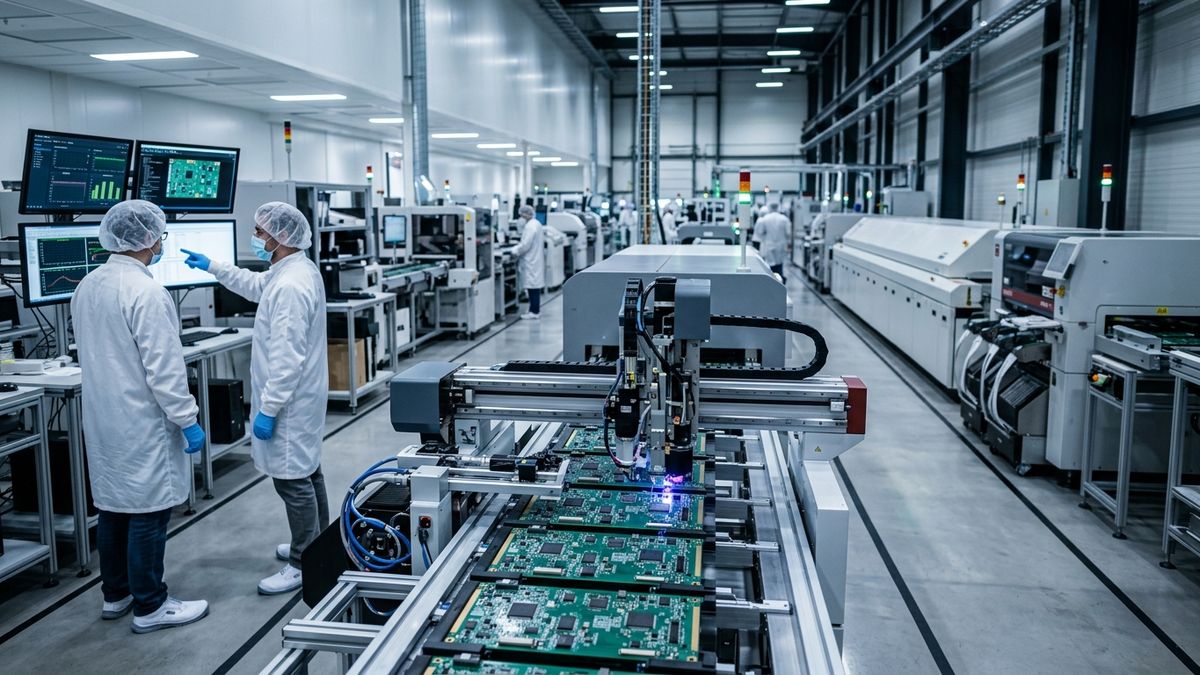
This regional expansion also intersects with broad electronics growth, highlighted in India's semiconductor supply chain opportunities, where domestic manufacturing of server components and specialized cooling assemblies is taking root.
Architectural Specifications: Legacy Cloud Facilities vs Nava AI Compute Campuses
The structured engineering matrix below compares conventional enterprise cloud hosting facilities against Nava's purpose-built artificial intelligence compute architecture:
| Technical Parameter | Conventional Enterprise Cloud Facility | Nava Dedicated AI Compute Campus | Engineering Advantage |
|---|---|---|---|
| Average Power Density Per Rack | 8 kW – 15 kW | 80 kW – 120 kW+ | 8x–10x higher density for dense GPU clusters |
| Primary Cooling Architecture | Computer Room Air Handlers (CRAH) & Chillers | Direct-to-Chip Liquid Cooling & Rear Heat Exchangers | Eliminates thermal throttling; 90% water saving |
| Target Power Usage Effectiveness (PUE) | 1.45 – 1.65 PUE | 1.15 – 1.22 PUE | Extreme energy efficiency reducing operating OpEx |
| Floor Loading Weight Capacity | 1,000 – 1,500 kg/sqm | 3,000 – 4,500 kg/sqm | Accommodates heavy liquid-cooled server chassis |
| Substation Redundancy & Power Infeed | Standard dual utility grid (N+1) | Dedicated 220kV/400kV captive renewable substation (2N) | Uninterrupted multi-megawatt power for model training |
| Network Fabric Interconnect | 100 Gbps Spine-and-Leaf Ethernet | 800 Gbps InfiniBand & Ultra Ethernet Fabrics | Ultra-low latency for distributed tensor parallelism |
Power Procurement and the Sovereign AI Mandate
Beyond thermal management, the defining bottleneck for Indian AI expansion is dedicated, carbon-neutral electrical power. Running a 100-megawatt AI campus consumes electrical energy equivalent to hundreds of thousands of residential homes.
Nava is structuring direct Power Purchase Agreements (PPAs) with utility-scale solar and wind developers, combining dedicated battery energy storage systems (BESS) with captive transmission lines. This guarantees continuous baseload green energy, shielding hyperscale tenants from grid volatility while fulfilling enterprise carbon neutrality mandates.
The venture's timing coincides with the Ministry of Electronics and Information Technology's (MeitY) ambitious IndiaAI Compute Capacity procurement program, which seeks to subsidize access to 10,000+ GPUs for Indian startups, researchers, and public institutions.
As venture capital flows into tech hubs like Bengaluru drawing $4.4B in startup funding, local foundation model developers will require secure, low-latency, and cost-effective domestic hosting rather than routing data to overseas cloud regions in North America or Europe.
With $200 million in growth capital, Nava is positioned to establish India's premier independent AI infrastructure operator—unlocking sovereign compute autonomy and powering the next era of industrial intelligence.
Frequently Asked Questions
What is Nava and who is leading the company?
Nava is a next-generation AI data center infrastructure startup founded by a former senior executive from OYO. The company specializes in building ultra-high-density facilities optimized for artificial intelligence training and inference clusters.
Who is anchoring Nava's reported $200 million funding round?
Silicon Valley-based institutional venture capital and private investment firm Greenoaks Capital is in advanced talks to lead the $200 million financing round, combining direct equity with structured infrastructure capital.
How do AI data centers differ from traditional enterprise data centers?
Traditional data centers support server racks drawing 8kW to 15kW of power using standard forced-air cooling. In contrast, AI data centers housing high-density GPU clusters (such as Nvidia H100, H200, and Blackwell) draw 80kW to 120kW+ per rack, requiring direct-to-chip liquid cooling, reinforced floors, and dedicated multi-megawatt power feeds.
Where does Nava plan to build its initial AI compute campuses?
Nava is targeting strategic power and connectivity corridors across India, including Navi Mumbai, Chennai, and Greater Noida, leveraging access to high-voltage renewable power grids and landing stations for international undersea fiber cables.
Primary Sources & Official References
- Central Electricity Authority (CEA): Power Allocation Guidelines for High-Density AI Data Center Parks and Captive Renewable Substation Standards.
- Ministry of Electronics and Information Technology (MeitY): Sovereign AI Compute & Hyperscale Infrastructure Directives.
- Greenoaks Capital Institutional Technology Portfolio Review: Emerging Market Compute & Cloud Infrastructure Briefing.
- Open Compute Project (OCP): Advanced Liquid Cooling Specifications and High-Density Rack Thermal Standards.